Posted in UncategorizedTagged

What Happens to the Material After a Vac Truck Removes It?

Once a vac truck removes soil, mud, slurry or wet spoil from a site, the job is not necessarily finished.

The material still needs to be handled properly after it goes into the truck, and what happens next depends on what has been collected, how much there is and where it came from.

We handle vac truck work across the Gold Coast, Brisbane, North Brisbane, Ipswich, Logan, Tweed Heads and Northern NSW, and one of the first things we want to know is what kind of material we are dealing with.

That helps us plan the job properly before the truck arrives.

What Happens Once the Material Goes Into the Vac Truck?

The material is collected in the truck’s tank as the work is carried out.

From there, the next step depends on the job.

Some material may be straightforward to handle. Other material may need more planning because of the amount involved, where it came from or what it contains.

That is why we would rather know the details before the job starts than try to sort them out once the tank is already full.

Different Materials Need Different Planning

Material What we want to know Why it matters
Soil Where it came from and roughly how much there is Volume and site conditions can affect handling and disposal planning
Mud and wet spoil How wet it is and how much needs to be removed Wet material can take up tank capacity quickly
Slurry What created it and whether anything unusual may be mixed through it The source of the slurry can affect how the material needs to be handled
Water or liquid material What is in it and where it came from Not every liquid should be treated the same way

If you are still working out whether your material is suitable for vacuum removal, our guide to what a vacuum truck can remove and what affects the job is the better place to start.

Why the Source of the Material Matters

Two loads can look similar and still need different handling.

For example, wet spoil from a straightforward excavation job is not the same as material from an area where contamination may be present.

That is why we ask where the material came from.

If there is anything unusual about the site or material, tell us upfront. No one wants to discover that halfway through the job.

What About Slurry From Hydro Excavation?

Hydro excavation creates a mix of water and loosened soil, which is collected by the vac truck as slurry.

The amount of slurry can depend on the ground, the depth of the work and how much excavation is being completed.

That can matter for tank capacity and how the job is staged.

If you want to understand that process in more detail, our article on how hydro vacuum excavation works in Brisbane explains what happens from excavation through to collection.

How Much Material Is Too Much for One Load?

That depends on the truck and the material.

A few potholes may produce a relatively small amount of spoil, while trenching or larger clean-up work can fill the tank much faster.

You do not need to calculate an exact volume before calling us, but a rough idea helps.

Photos, dimensions or a simple description of the work area can give us enough context to start planning.

Does Disposal Affect the Quote?

It can.

The amount of material, what it contains, time on site and any disposal requirements can all affect the overall job.

That is why two vac truck jobs that sound similar at first can still end up with different costs.

We go into that in more detail in our guide to the site and job details that can change a vac truck quote in South East Queensland.

What If the Material Might Be Contaminated?

Tell us before the truck arrives.

If there is any reason to think the material may contain something unusual, that needs to be part of the conversation before the work starts.

We do not want to make assumptions about material based on how it looks.

The more accurate the information is at the start, the easier it is to work out whether the job is suitable and what needs to happen next.

Site Access Still Matters After the Material Is Identified

Knowing what the material is solves only part of the job.

We still need to know where the truck can sit, how far the hose needs to run and whether the work area is easy to reach.

A small amount of spoil behind a building can still take more planning than a larger amount sitting right beside the truck.

If access is awkward, our vac truck access and hose distance guide explains what we look at before the truck is sent out.

What Happens on a Typical Job?

The exact process changes from site to site, but it usually follows a similar flow.

  1. We confirm what the material is. We want to know what is being removed and where it came from.
  2. We look at the site. Access, truck position and hose distance all matter.
  3. The material is collected. Soil, mud, slurry or other suitable material is vacuumed into the truck.
  4. The amount is monitored. Larger jobs may need to be staged depending on the volume.
  5. The material is handled after collection. What happens next depends on the job and the material involved.

What About Different Locations?

The basic process is similar, but site conditions can vary a lot across South East Queensland and Northern NSW.

A tight commercial site in Brisbane may need more access planning than an open civil site around Logan or Ipswich.

Gold Coast jobs may involve a mix of suburban, commercial and roadside work, while projects around Tweed Heads or Northern NSW can come with their own access and travel considerations.

For location-specific service information, you can also see our Gold Coast vacuum excavation service or our existing vacuum excavation information for Ipswich.

For jobs outside those areas, our main vacuum excavation service page is the best place to start.

What Should You Tell Us Before We Remove the Material?

You do not need a long technical brief.

The useful information is usually:

  • what needs to be removed
  • where the material came from
  • roughly how much there is
  • where the site is
  • what access looks like
  • whether underground services are nearby
  • whether the work is close to traffic
  • whether there is anything unusual about the material

If you already have photos, send them through. They are especially useful when the material is sitting in a pit, behind a building or somewhere the truck cannot park directly beside.

If you are not sure what information is useful before booking, our guide to what to have ready before booking a vac truck covers the practical side of that conversation.

Vac Truck Material Handling FAQs

Does All Vac Truck Material Go to the Same Place?

No. What happens after collection depends on the material and the job requirements.

Does Wet Spoil Take Up More Tank Space?

Wet material can fill the truck quickly depending on the volume and consistency, which is why a rough estimate helps with planning.

Can a Vac Truck Collect Slurry?

Yes, suitable slurry can often be collected by vacuum truck. What created the slurry and what it contains should be discussed before the job.

What If I Do Not Know What the Material Is?

Tell us what you do know and send photos if possible. We would rather ask a few questions before the job than guess.

Does Disposal Affect Vac Truck Pricing?

It can. Material type, volume, disposal requirements, travel and time on site can all affect the final quote.

Need Material Removed by Vac Truck?

If you have soil, mud, slurry, water or other suitable material that needs to come off site, tell us what you are dealing with and where the job is.

We work across the Gold Coast, Brisbane, North Brisbane, Ipswich, Logan, Tweed Heads and Northern NSW.

Give us the site details, material type and access information and we can talk through what the job needs.

For service enquiries, visit our vacuum excavation service page or call 1800 828 723.
Read More
Posted in Uncategorized

Vacuum Excavation Gold Coast — Safe Precision Digging

Safe Digging Starts With the Right Equipment

Excavating near underground services is one of the highest-risk parts of any construction or civil project. On the Gold Coast, buried infrastructure often includes water mains, electrical conduits, stormwater systems, and communications cables — sometimes all within the same corridor.

That’s why contractors and councils increasingly rely on vacuum excavation as the safest and most accurate way to dig.

At Get Directed, we deliver professional vacuum excavation Gold Coast services designed to protect underground assets, reduce project delays, and keep worksites running smoothly.


Vacuum Excavation in Action

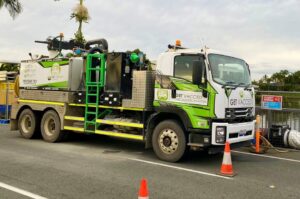
The image above shows one of Get Directed’s dedicated vacuum excavation trucks set up and ready for non-destructive digging work.

These specialized vehicles allow our team to excavate with precision while maintaining a clean, controlled site environment.

Vacuum excavation Gold Coast — Get Directed vacuum truck on-site for safe non-destructive digging


What Is Vacuum Excavation?

Vacuum excavation (also known as hydro excavation or non-destructive digging) removes soil using a safer, more controlled method than mechanical digging.

Instead of risking damage with an excavator bucket, vacuum excavation works by:

  • Breaking up soil with high-pressure water or air

  • Removing debris immediately using powerful suction

  • Exposing underground services without direct contact

As a result, crews can locate and work around critical utilities safely.


Why Vacuum Excavation Is the Gold Standard for Safety

Traditional excavation can strike services in seconds. However, vacuum excavation gives operators far greater control.

This method helps prevent:

  • Costly utility damage

  • Electrical or gas hazards

  • Unexpected shutdowns

  • Repair blowouts

  • Major project delays

In addition, vacuum excavation keeps excavation zones smaller, cleaner, and easier to manage.


Common Uses for Vacuum Excavation on the Gold Coast

Get Directed supports a wide range of projects, including:

  • Service locating and potholing

  • Exposing underground electrical and communications lines

  • Civil infrastructure upgrades

  • Drain and pit cleaning

  • Tight-access urban excavation

  • Works near landscaped or sensitive areas

Because the process is precise, it is ideal for high-risk and high-traffic environments.


Integrated Traffic Control for Complete Site Safety

Many vacuum excavation jobs occur alongside live roads or public access zones. For that reason, Get Directed also provides fully compliant traffic control services.

By combining vacuum excavation with traffic management, we help clients achieve:

  • Safer roadside excavation setups

  • Reduced contractor coordination

  • Faster project completion

  • Full Queensland compliance

Learn more here:
https://get-directed.com.au/traffic-control-gold-coast/


Why Choose Get Directed for Vacuum Excavation?

Get Directed brings together experienced operators, modern equipment, and a safety-first approach on every job.

We focus on:

  • Accurate excavation around underground services

  • Efficient, low-disruption digging

  • Professional support for councils and contractors

  • Clean site presentation and compliance

Most importantly, we help clients dig smarter — not riskier.


Book Vacuum Excavation Gold Coast Services Today

If your project requires safe excavation near buried infrastructure, trust the team with the right equipment and expertise.

Call Get Directed today on 1800 828 723
or visit get-directed.com.au to organise vacuum excavation on the Gold Coast.

Learn more about Vacuum Excavation services:
https://get-directed.com.au/vacuum-excavation/

Need Traffic Control support as well?
https://get-directed.com.au/traffic-control-gold-coast/

Contact Get Directed:
https://get-directed.com.au/contact/

Read More
Posted in UncategorizedTagged

Vac truck hire gold coast

Vac Truck Hire Gold Coast

Efficient, safe, and cost-effective vac truck hire services across the Gold Coast. Get Group provides modern trucks, skilled operators, and compliant waste management solutions for construction, industrial, residential, and emergency projects.

Call 1800 828 723 | get-directed.com.au

‎

Introduction to Vac Truck Hire

In today’s industrial and urban environment, businesses need fast, reliable waste removal and excavation solutions. Vac truck hire provides a versatile option for handling liquid waste, sludge, slurries, and even hazardous materials—all while improving safety and minimizing disruption.

‎

Benefits of Vac Truck Hire

  • Versatility: Suitable for liquid waste removal, hydro excavation, septic cleaning, and more.

  • Efficiency: High-powered suction clears large volumes quickly, minimising downtime.

  • Cost-effectiveness: Hiring avoids the high costs of owning and maintaining equipment.

‎

Applications of Vac Truck Hire

  • Construction sites: Excavation, trenching, soil removal, and utility potholing.

  • Industrial cleaning: Tank cleaning, pit emptying, and confined-space waste removal.

  • Emergency response: Spill containment, floodwater removal, and hazardous waste clean-up.

  • Residential: Septic tank pumping, blocked drain clearing, and stormwater pit cleaning.

‎

Factors to Consider When Hiring a Vac Truck

  • Capacity & size: Match truck size to the waste volume and site conditions.

  • Provider experience: Choose a trusted, established company with proven results.

  • Equipment quality: Well-maintained, modern trucks ensure reliable performance.

  • Safety considerations: Confirm operators are certified and follow strict safety protocols.

‎ ‎‎

Safety & Compliance

Professional vac truck services prioritize safety through:

  • Comprehensive operator training and certification

  • Regular maintenance and inspection of equipment

  • Adherence to Queensland environmental and workplace safety regulations

  • Site-specific risk assessments and emergency response plans

‎

Environmental Impact

Vac trucks support sustainability by:

  • Safely transporting waste to licensed disposal facilities

  • Reducing soil disturbance compared to traditional excavation

  • Providing fast containment during spills to protect waterways and ecosystems

‎

Case Studies – Gold Coast Applications

  • Infrastructure Works: Vac trucks used for non-destructive digging around power and fiber optic lines with zero strikes.

  • Industrial Cleaning: Routine tank cleaning at a processing facility to maintain safety and prevent contamination.

  • Flood Response: Emergency deployment to pump stormwater and restore drainage after heavy rainfall.

‎

Vac Truck Hire Gold Coast – FAQs

How much does it cost to hire a vac truck on the Gold Coast?
Pricing depends on truck size, hire duration, site access, and disposal requirements. For accuracy, request a tailored quote.

Are vac trucks suitable for residential as well as commercial jobs?
Yes. They are commonly used for septic pumping, drain clearing, and floodwater removal at homes.

What safety measures are in place during operations?
Operators use PPE, follow strict protocols, and undergo training to ensure safe, compliant operations.

Can vac trucks handle hazardous waste?
Yes. With sealed tanks, filtration systems, and strict handling procedures, vac trucks can manage hazardous materials safely.

Why outsource instead of buying equipment?
Hiring avoids the high capital and maintenance costs of ownership. It also provides flexibility and access to trained operators.

‎

Book Vac Truck Hire on the Gold Coast

Get Group is proud to be voted the number one provider for vac truck hire and traffic management services in the Gold Coast and Brisbane.

Call 1800 828 723 | get-directed.com.au

Our dedicated team is ready to provide reliable, safe, and efficient vac truck solutions for your project.

Read More
Posted in UncategorizedTagged

Traffic control Brisbane

Navigating the Streets of Brisbane: A Guide to Effective Traffic Control

‎ ‎
Introduction

Brisbane’s vibrant growth and urban expansion have made traffic control a critical priority. With a rising population, daily congestion, large-scale events, and unpredictable weather, managing traffic effectively is essential for keeping residents and visitors safe while ensuring the city runs smoothly.

This guide explores the challenges of traffic control in Brisbane, the modern solutions being implemented, and the importance of community engagement in building safer, more efficient roads.

‎

The Challenges of Traffic Control in Brisbane

  • Growing Urban Population: Rapid growth places increasing pressure on Brisbane’s road infrastructure.

  • Rush Hour Congestion: Peak-hour gridlocks impact commuters, logistics, and overall productivity.

  • Event Management: Festivals, concerts, and sporting events require specialised planning to handle surges in traffic.

  • Weather-Related Issues: Heavy rain and storms create hazards, often leading to road closures and delays.

‎

Solutions for Effective Traffic Control

  1. Traffic Signals and Signs
    Upgrading to modern traffic signals and ensuring clear road signage helps guide motorists and pedestrians more effectively.

  2. Public Transportation Expansion
    Encouraging the use of buses, trains, and ferries reduces reliance on private vehicles and alleviates congestion.

  3. Smart Traffic Management Systems
    Advanced monitoring and AI-driven adjustments allow authorities to manage traffic flow in real time.

  4. Event Traffic Planning
    Tailored strategies for major events keep both vehicle and pedestrian movement safe and efficient.

‎

The Importance of Safety

  • Reducing Accidents: Well-managed traffic flow lowers collision rates.

  • Pedestrian Protection: Safe crossings and walkways safeguard Brisbane’s pedestrians.

  • Emergency Response: Clear routes ensure that emergency vehicles can reach critical areas without delay.

‎

Engaging the Community

  • Education and Awareness: Public campaigns reinforce safe driving habits and traffic rule awareness.

  • Community Involvement: Local input helps tailor traffic solutions to meet the unique needs of Brisbane’s neighborhoods.

‎

Conclusion

Effective traffic control is vital to Brisbane’s livability, safety, and future growth. By adopting modern traffic management solutions, expanding public transport, prioritizing safety, and involving the community, Brisbane can overcome congestion challenges and maintain its reputation as a dynamic and accessible city.

‎

FAQs – Traffic Control in Brisbane

Is traffic control in Brisbane a significant concern?
Yes. Brisbane’s growing population and congestion issues make traffic control a major focus for city planners.

How can I stay updated on traffic conditions in Brisbane?
Traffic apps, GPS navigation tools, and government websites provide real-time road updates.

What role does technology play in traffic control?
Technology enables live monitoring, smart traffic signals, and dynamic traffic flow adjustments.

Are there specific rules for event traffic management?
Yes. Large events require approved traffic management plans to ensure safety and smooth flow.

How can residents contribute to better traffic control?
By following road rules, using public transport where possible, and staying informed about local traffic conditions.

Read More
Book Now