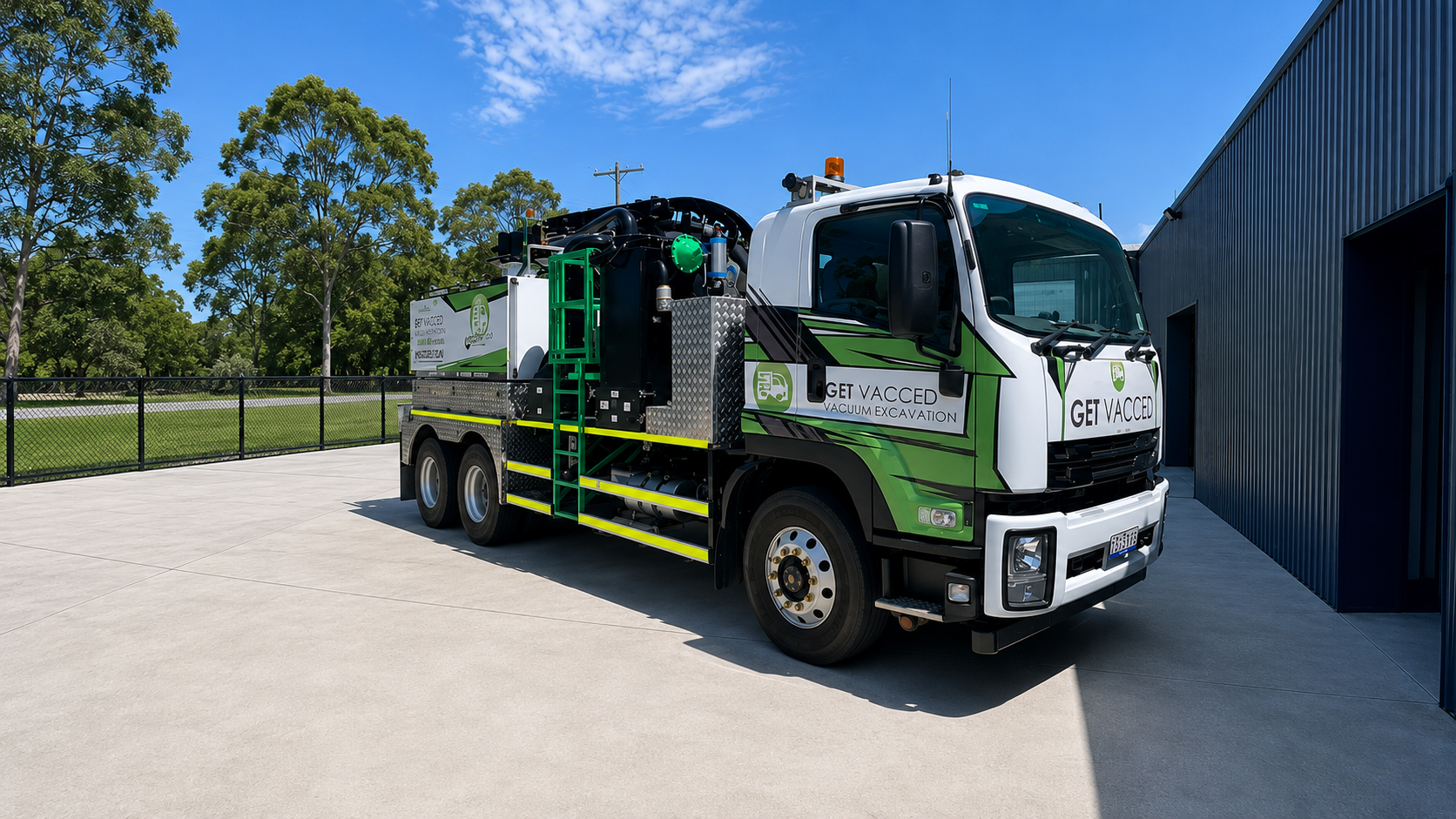
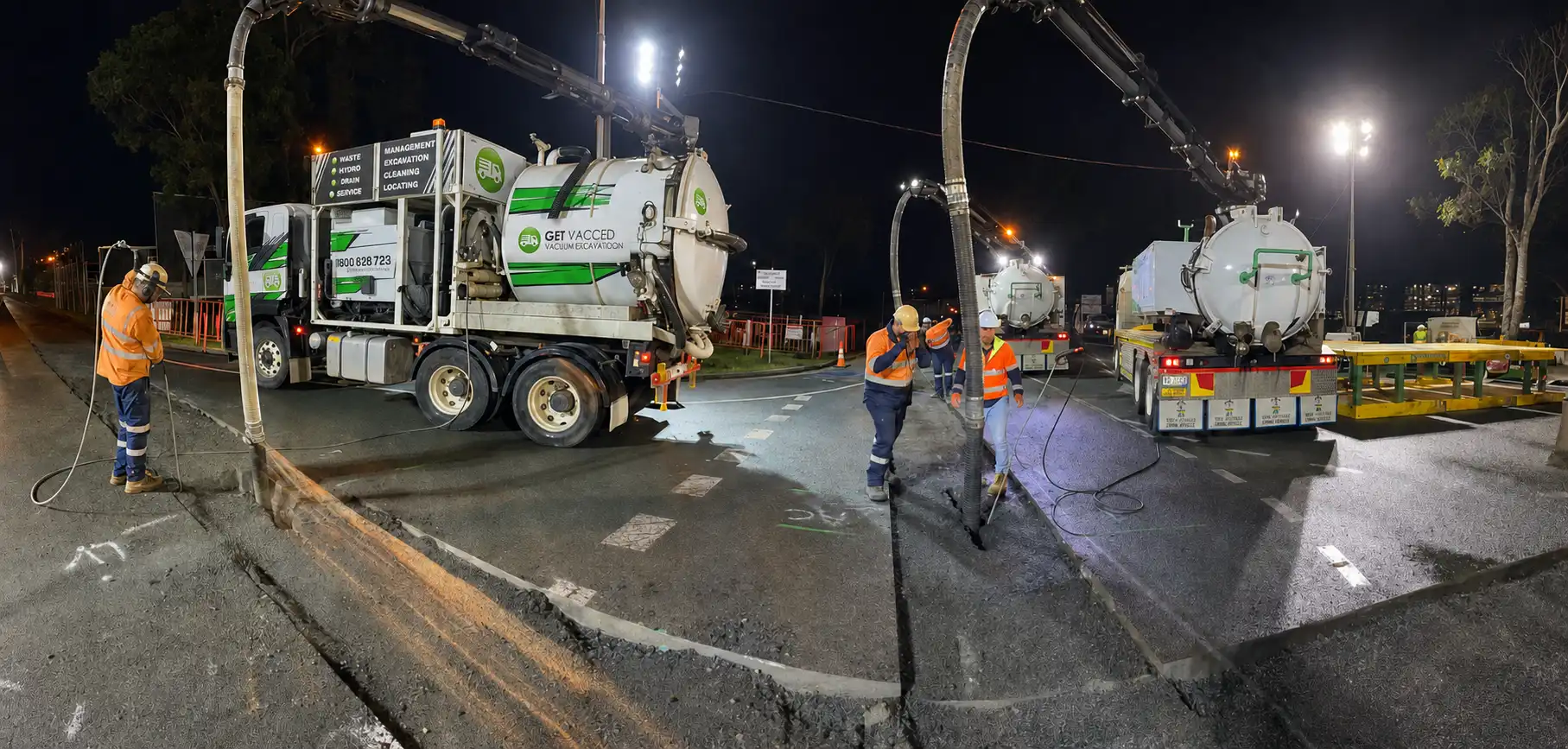
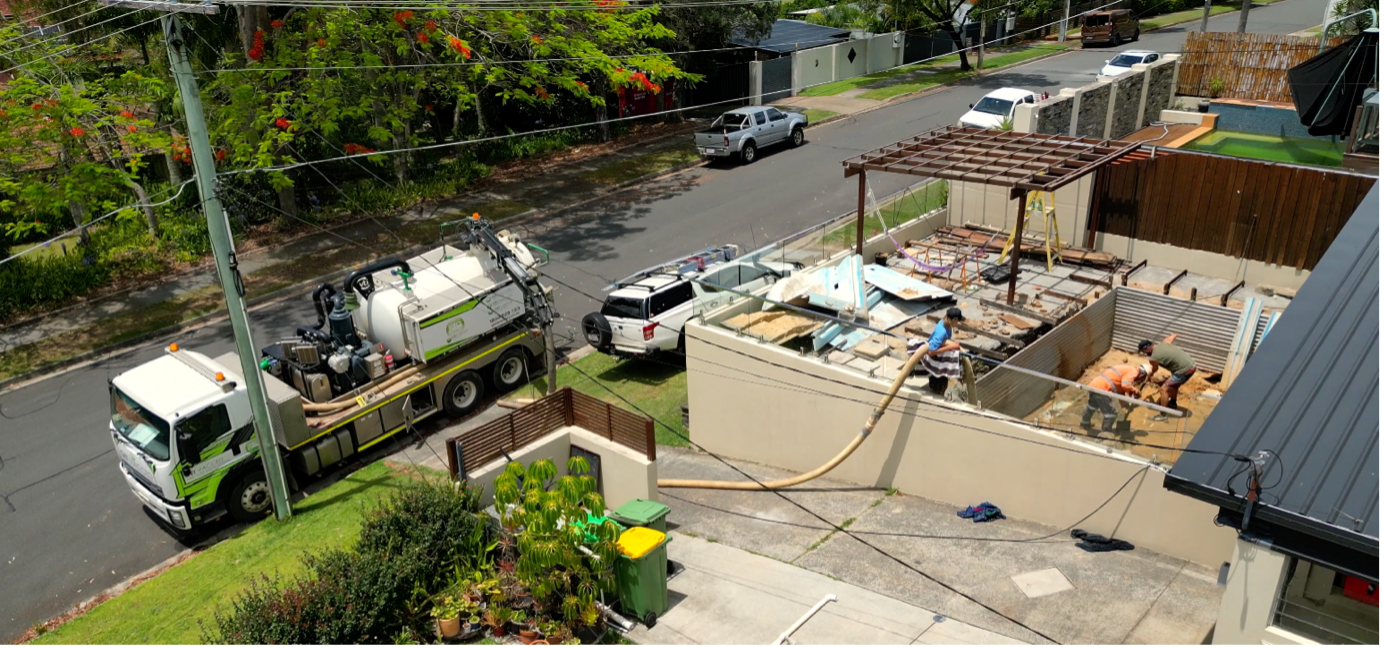
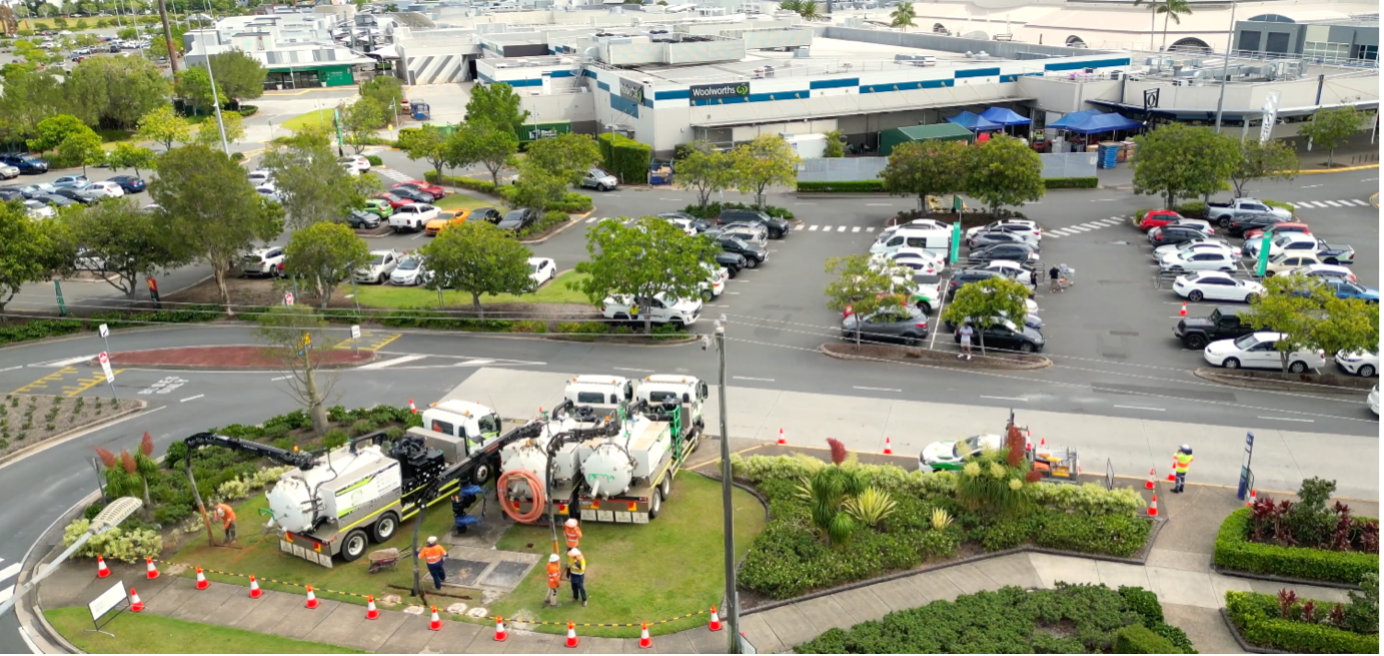
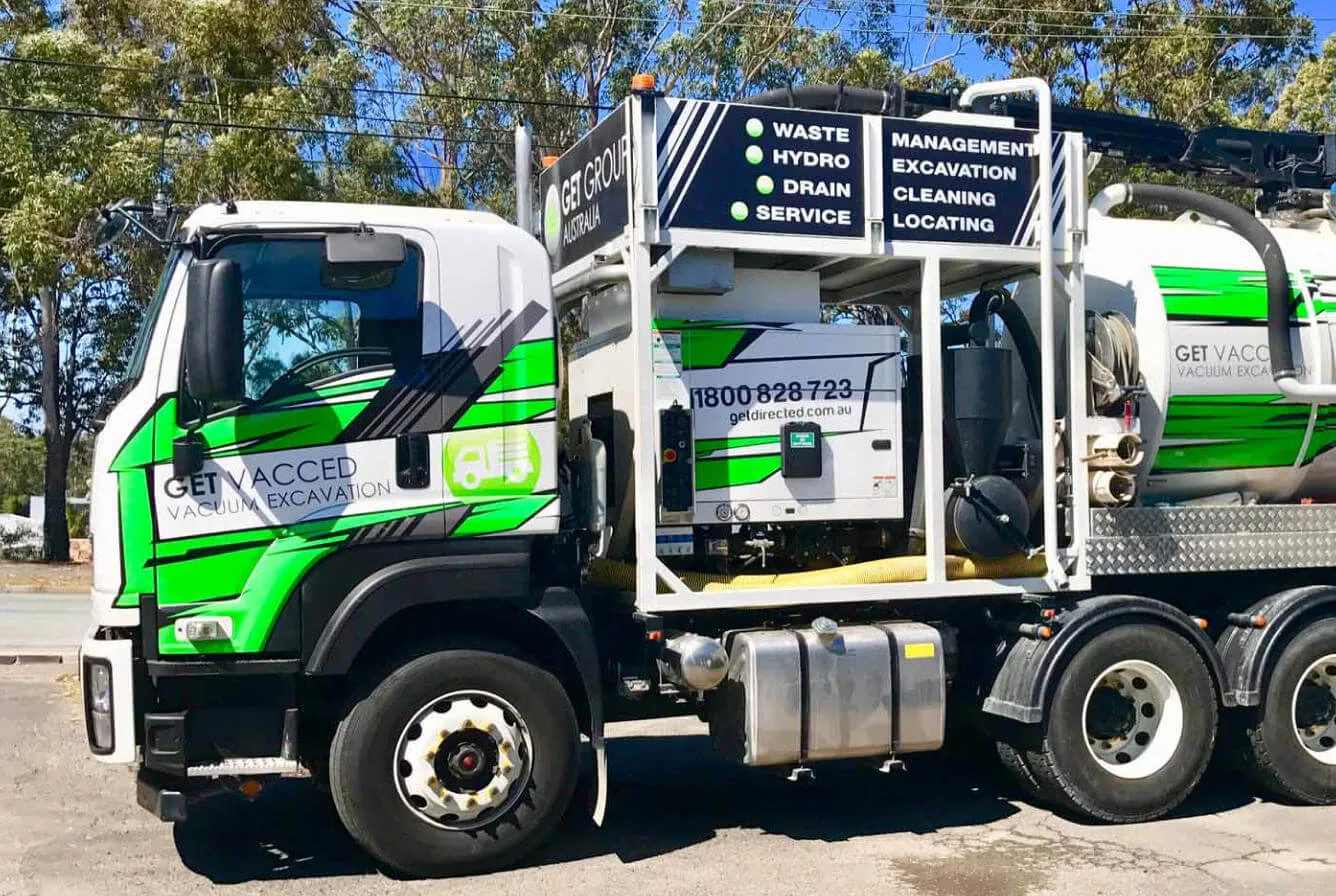
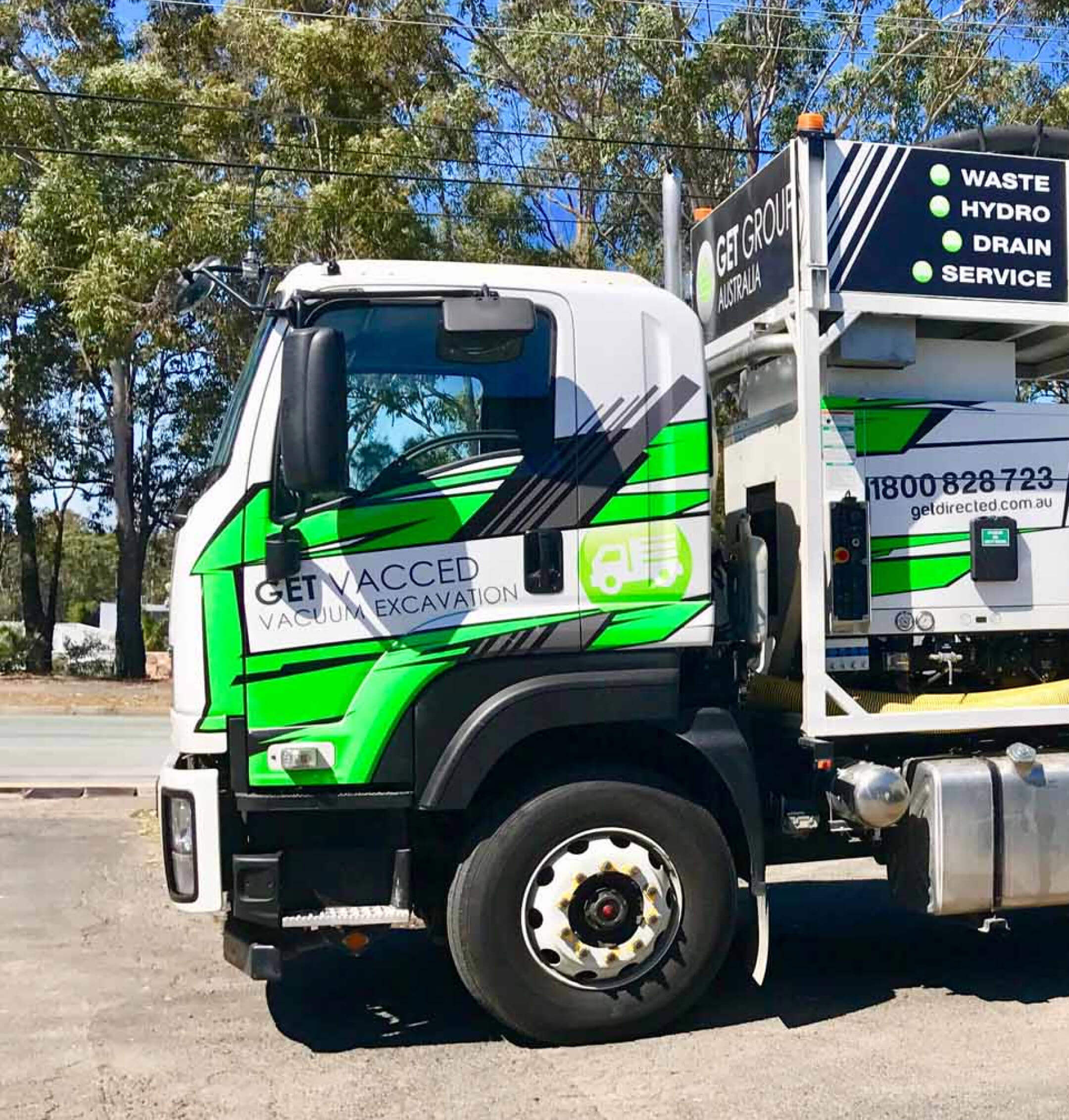
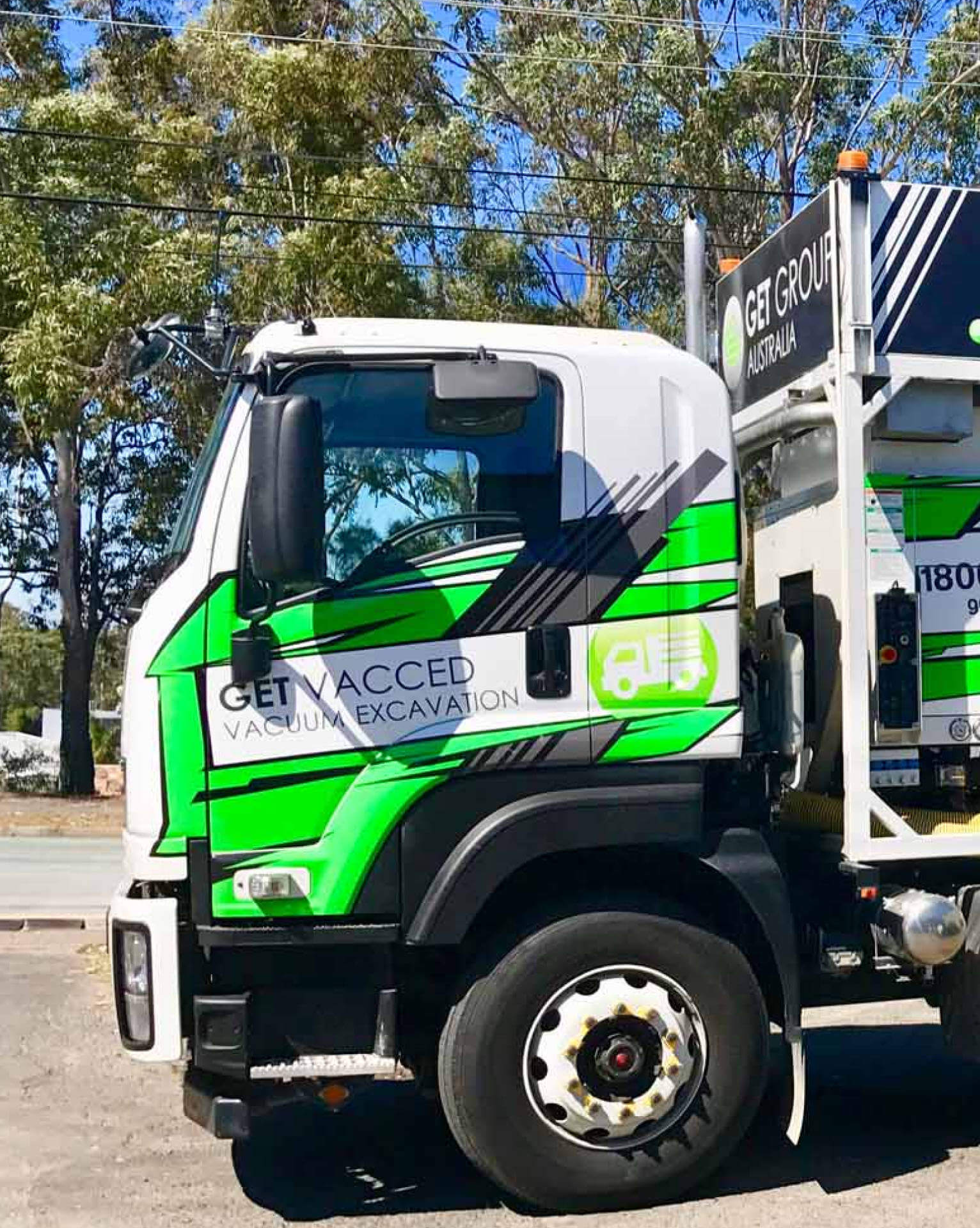
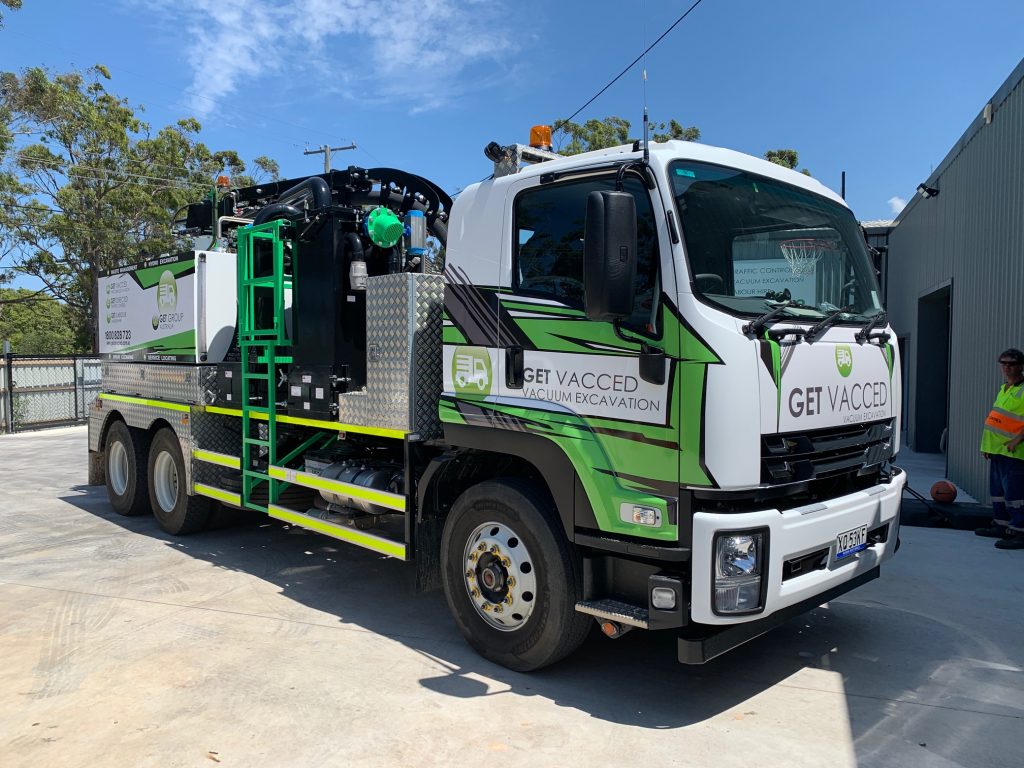
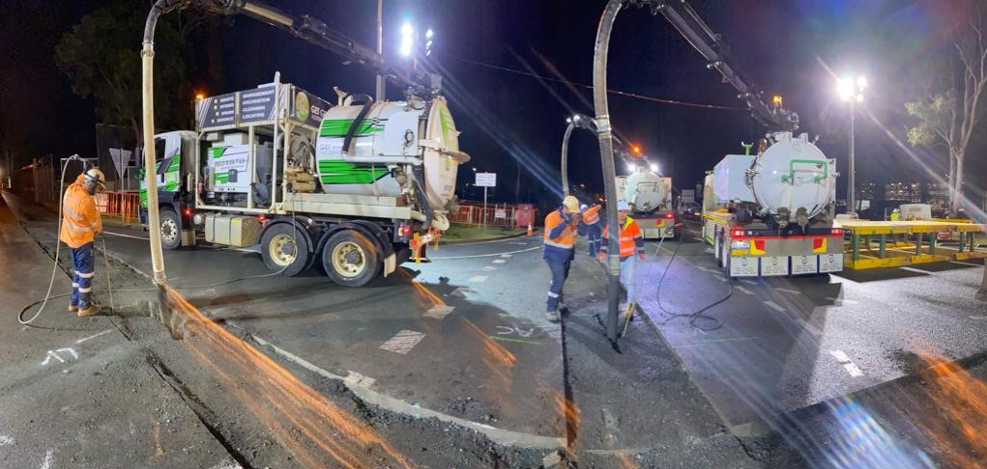
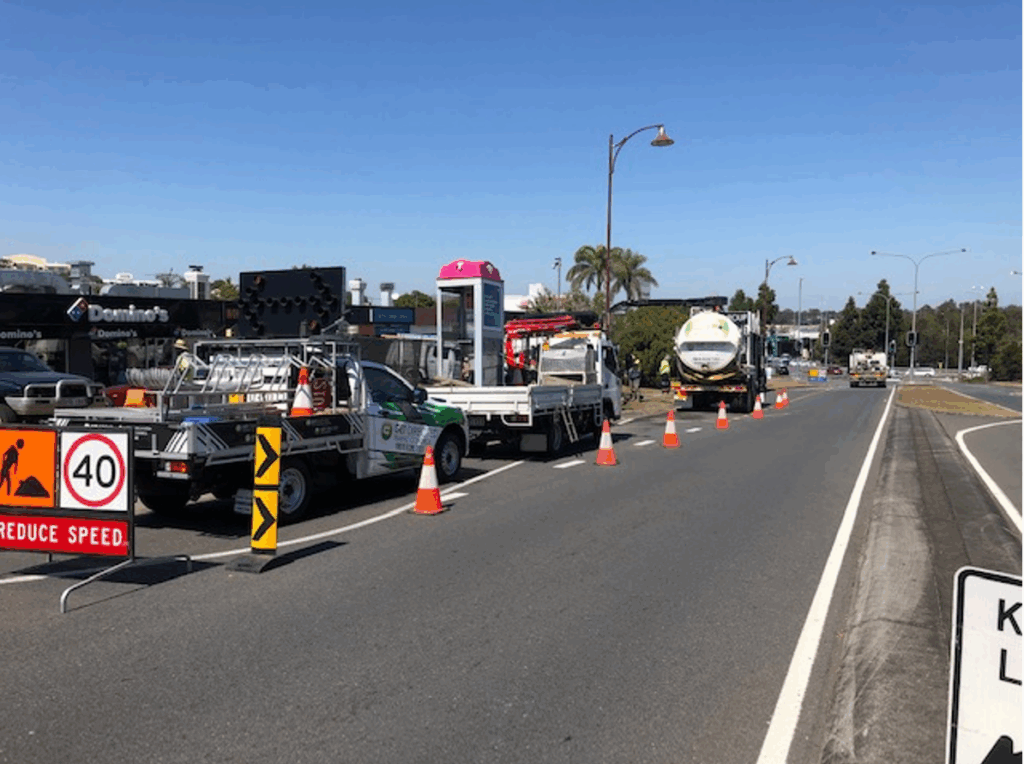
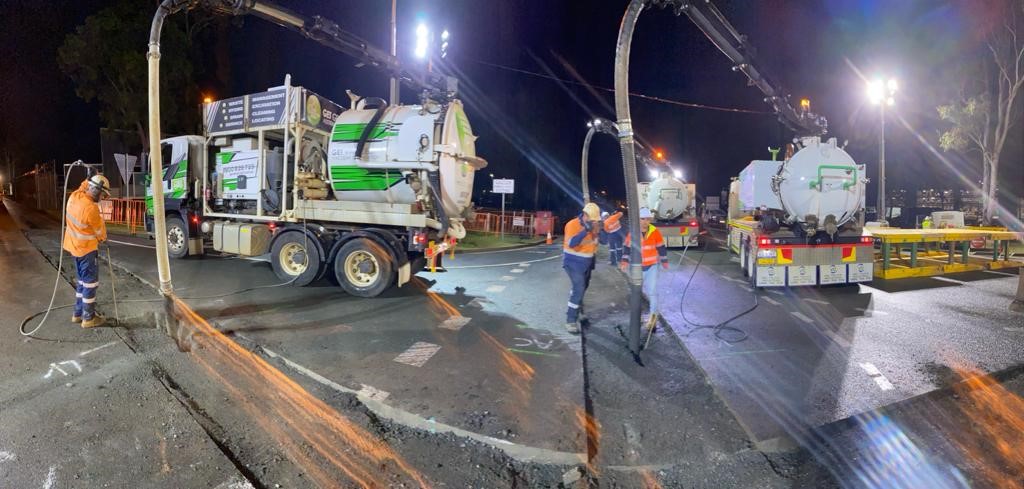
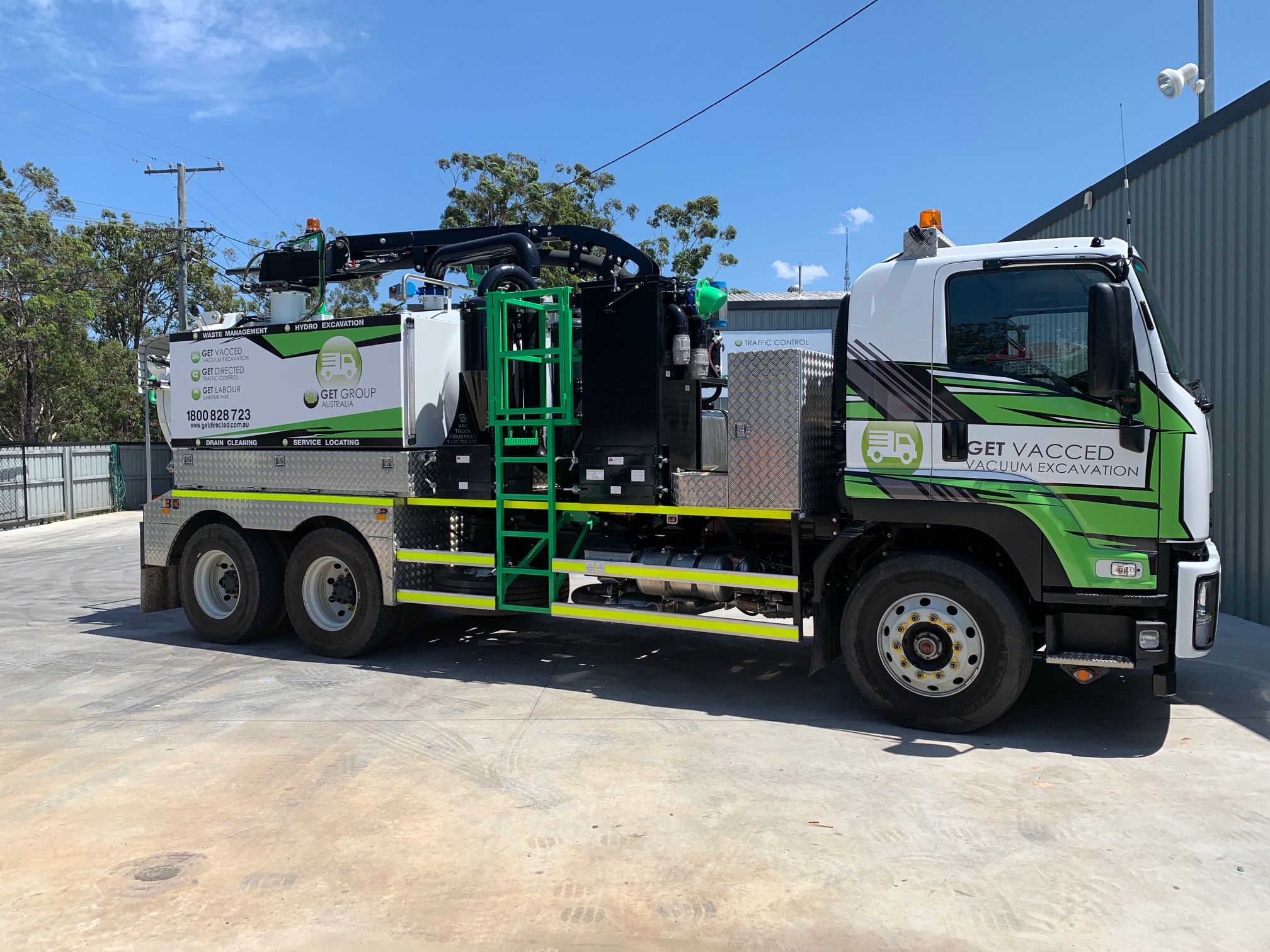
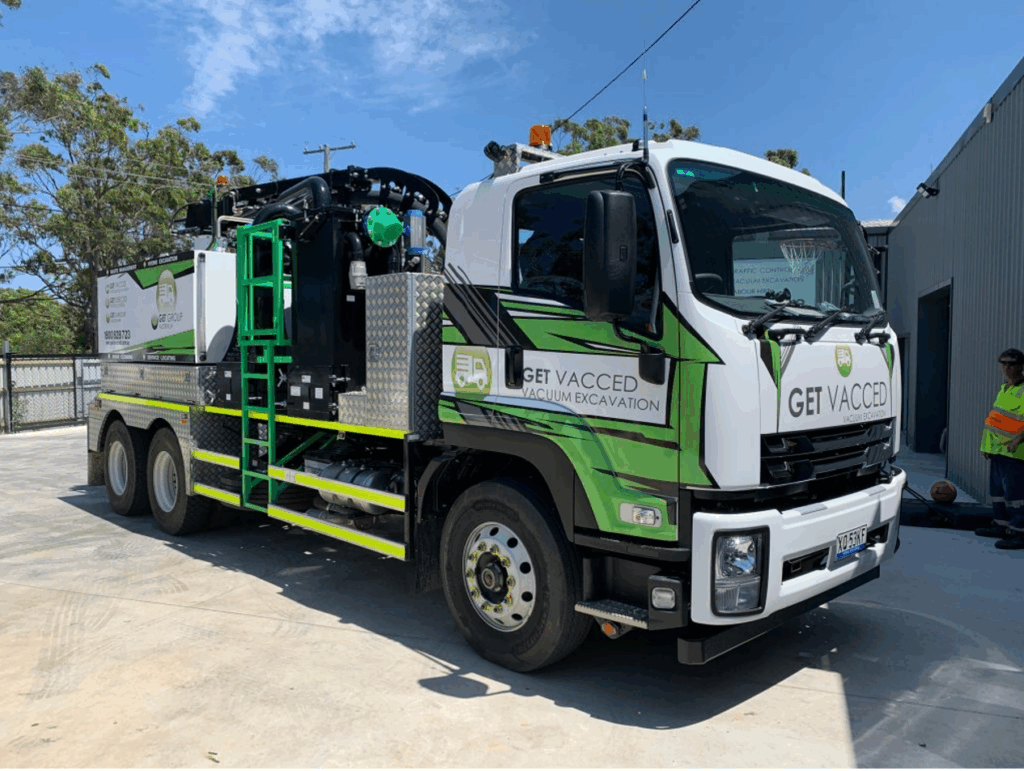
Not every vac truck job needs the same setup.
A small potholing job on an open site is very different from trenching beside existing services, removing slurry from a tight work area or cleaning out a pit where access is limited.
When we look at a job, we are not just thinking about the size of the truck. We look at what needs to be done, what material is coming out of the ground, where the truck can sit and how the crew will actually get the work done.
If you are not sure what sort of setup your project needs, that is completely normal. You do not need to work it all out before you call us.
What Do We Look At Before Sending a Vac Truck?
The first thing we want to understand is the job itself.
Are we exposing underground services? Potholing before an excavator comes through? Removing mud or slurry? Cleaning a pit? Digging a trench around existing infrastructure?
From there, we look at the site. Access, ground conditions, hose distance, the amount of material being removed and where that material needs to go can all affect the setup.
If you are still deciding whether vacuum excavation suits the work, our guide to how vacuum trucks are used on the Gold Coast is a useful place to start.
Potholing Does Not Need the Same Setup as a Large Excavation
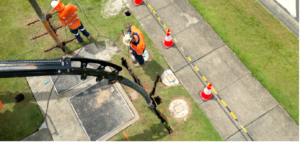
Potholing is one of the more common jobs we carry out with a vac truck.
The aim is usually to expose a small section of ground so the crew can confirm where a pipe, cable or other service is sitting before larger excavation begins.
For a job like this, we want to know how many potholes are needed, how deep they are likely to be and how spread out they are across the site.
One pothole close to the truck is straightforward. Twenty potholes across a large construction site need more planning because the crew may need to move between work areas or run more hose.
Working Around Underground Services
Vacuum excavation is often used because there are existing services in the ground and the crew needs a more controlled way to expose them.
That means we need as much useful site information as possible before we start.
If you have service plans, markings or information from previous work on the site, have it ready. It gives our operators a clearer picture of what they are dealing with before excavation begins.
For projects where you already know you need this type of work, you can also see our vacuum excavation services on the Gold Coast.
Trenching Usually Means More Material
Trenching can quickly become a very different job from potholing because there is more ground being opened and more material being removed.
We want to know roughly how long the trench is, how deep it needs to go and what is already in the ground around it.
The amount of spoil matters too. The more material coming out, the more important tank capacity and disposal planning become.
On a longer trench, truck positioning can also change as the work moves along. That is something we would rather plan beforehand than try to solve once the job is already underway.
What Is the Material Like?
The material itself can change how we approach the work.
Loose soil, clay, wet spoil, mud and slurry do not all behave the same way. If you already know what the site conditions are like, tell us.
You do not need a technical soil report for every job. Even basic information such as “it is heavy clay” or “the area is already full of wet spoil” gives us something useful to work with.
If the material may be contaminated or unusual, that needs to be raised before the job so handling and disposal can be discussed properly.
Can the Truck Actually Get Close to the Job?
This is one of the biggest practical questions.
A truck can have plenty of capacity and still be the wrong option if it cannot get into position.
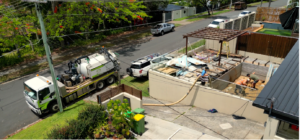
On some sites we can park close to the excavation. On others, there may be fencing, buildings, landscaping, traffic or other machinery between the truck and the work area.
That does not necessarily stop the job, but it changes the setup.
If access is tight, send through photos, measurements or a quick description before the booking. It is much easier to plan around a narrow gate or awkward truck position when we know about it in advance.
We have a separate guide on preparing your site before a vac truck arrives if access and site setup are your main concern.
How Far Does the Hose Need to Run?
The truck does not always need to sit directly beside the work area.
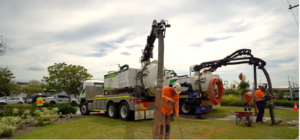
That is one of the useful things about vac truck work. The hose can reach into areas where the truck itself cannot go.
But distance still matters.
A short hose run across an open site is different from reaching behind a building, over a retaining wall or through a restricted work area.
If you know the approximate distance from the nearest practical truck position to the work area, let us know. It helps us plan the job properly.
How Much Material Are We Removing?
Every truck has a limit to how much material it can carry.
For a few potholes, that may not be much of an issue. For trenching, slurry removal or larger clean-up work, it becomes more important.
If we know roughly how much material is coming out, we can think ahead about tank capacity and whether disposal trips may be needed.
You do not need to give us an exact cubic metre figure. A rough idea of the excavation size or the amount of material on site is still useful.
Is It Excavation or Mainly Material Removal?
Not every vac truck job is the same kind of work.
Some jobs involve loosening and removing soil as part of hydro excavation. Others are mainly about collecting material that is already loose, wet or sitting in a pit or work area.
That distinction matters because the equipment and setup can be different.
If you are calling about mud, water, slurry or another material rather than excavation itself, say that upfront. It helps us understand the job faster.
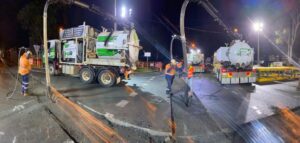
What About Roadside or Live Traffic Work?
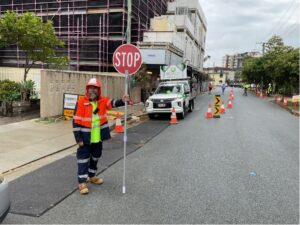
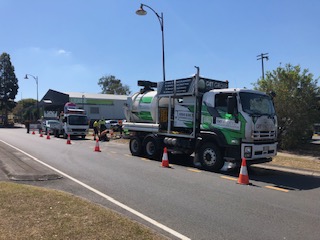
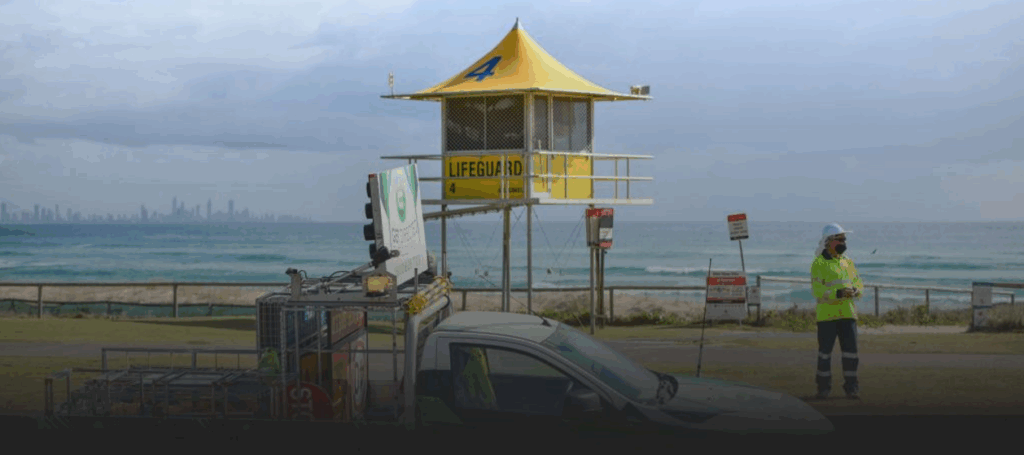
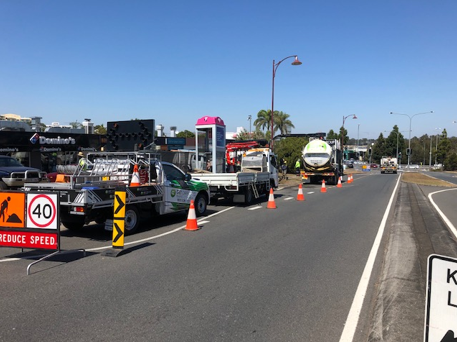
If the truck needs to operate beside a road, shoulder, driveway or other live traffic area, we also need to think about where the truck can sit safely while the work is happening.
In those cases, traffic control may need to be organised as part of the job.
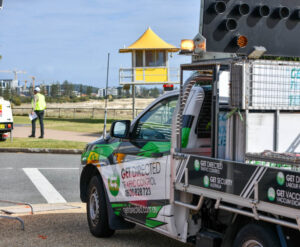
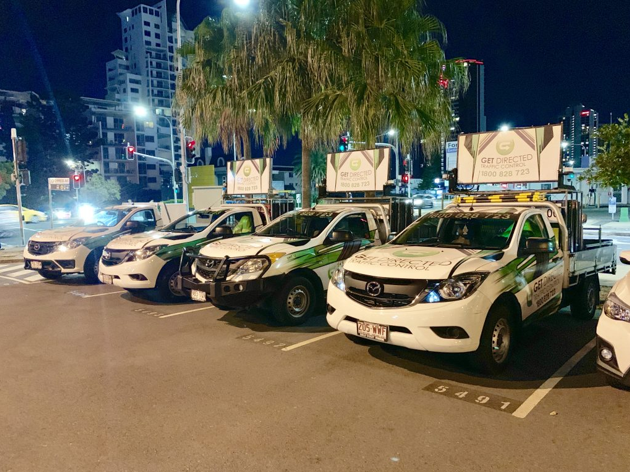
Get Group can also coordinate traffic control on the Gold Coast where the work requires it.
It is better to sort that out before the truck arrives than discover on the day that the planned position affects traffic.
Do You Need to Choose the Truck Yourself?
No.
You do not need to ring us and ask for a particular truck size or piece of equipment unless you already know exactly what you need.
In most cases, the better approach is to tell us what is happening on site.
Give us the location, what needs to be done, what the access is like and any information you have about underground services or material.
From there, we can work out what setup makes sense.
If you are still getting the job organised, our guide on what to know before booking a vac truck on the Gold Coast covers the broader booking process.
What We Need to Know Before the Job
You do not need to send us a huge technical brief.
The most useful information is usually simple:
- where the site is
- what needs to be done
- how deep or large the excavation is likely to be
- what material we are dealing with
- what access is like
- whether there are underground services nearby
- whether the truck will be working near traffic
If you can add photos or plans, even better.
That gives us enough context to have a useful conversation instead of guessing.
Different Jobs, Different Priorities
Residential and Tight-Access Sites
On smaller sites, access is often the main issue. Driveways, fences, neighbouring properties and limited turning space can all affect where the truck can sit.
In those situations, hose distance and truck position can matter more than having the biggest possible unit.
Commercial Construction Sites
On commercial sites, we are often working around other trades, machinery and staged work areas.
We need to understand where the truck can operate without getting in everyone else’s way and how the excavation fits into the wider job.
Civil and Infrastructure Projects
Civil work can involve larger scopes, multiple excavation points and more coordination around traffic, spoil and site access.
For these jobs, planning the sequence of work can be just as important as choosing the truck itself.
Roadside Work
For roadside jobs, truck position, traffic movement and safe access to the work area become major considerations.
We want to understand those conditions before the truck is sent out.
Common Questions About Choosing a Vac Truck
Do I Need to Know What Size Truck I Need?
No. Tell us about the job and we can work through the setup with you.
Does a Bigger Truck Always Mean the Job Will Be Faster?
No. Bigger is not automatically better. Access, hose distance, ground conditions and the type of work can matter just as much as tank size.
Can the Same Vac Truck Be Used for Different Types of Work?
Often yes, but it depends on the job. Potholing, slurry removal and pit cleaning can have different equipment and setup requirements.
What If I Do Not Know the Ground Conditions?
That is fine. Tell us what you do know. Photos, nearby excavation work or information from the site team can still help us plan.
What If Access Is Really Tight?
Let us know before the booking. Photos and measurements are especially helpful when access is limited.
Not Sure What Vac Truck Your Gold Coast Project Needs?
You do not need to work out the truck specifications yourself.
Tell us what is happening on site, where the work is, what access is like and what needs to be removed or excavated.
We can talk through the job and work out a practical setup.
If you are ready to arrange the work, visit our Gold Coast vacuum excavation service page or call 1800 828 723.