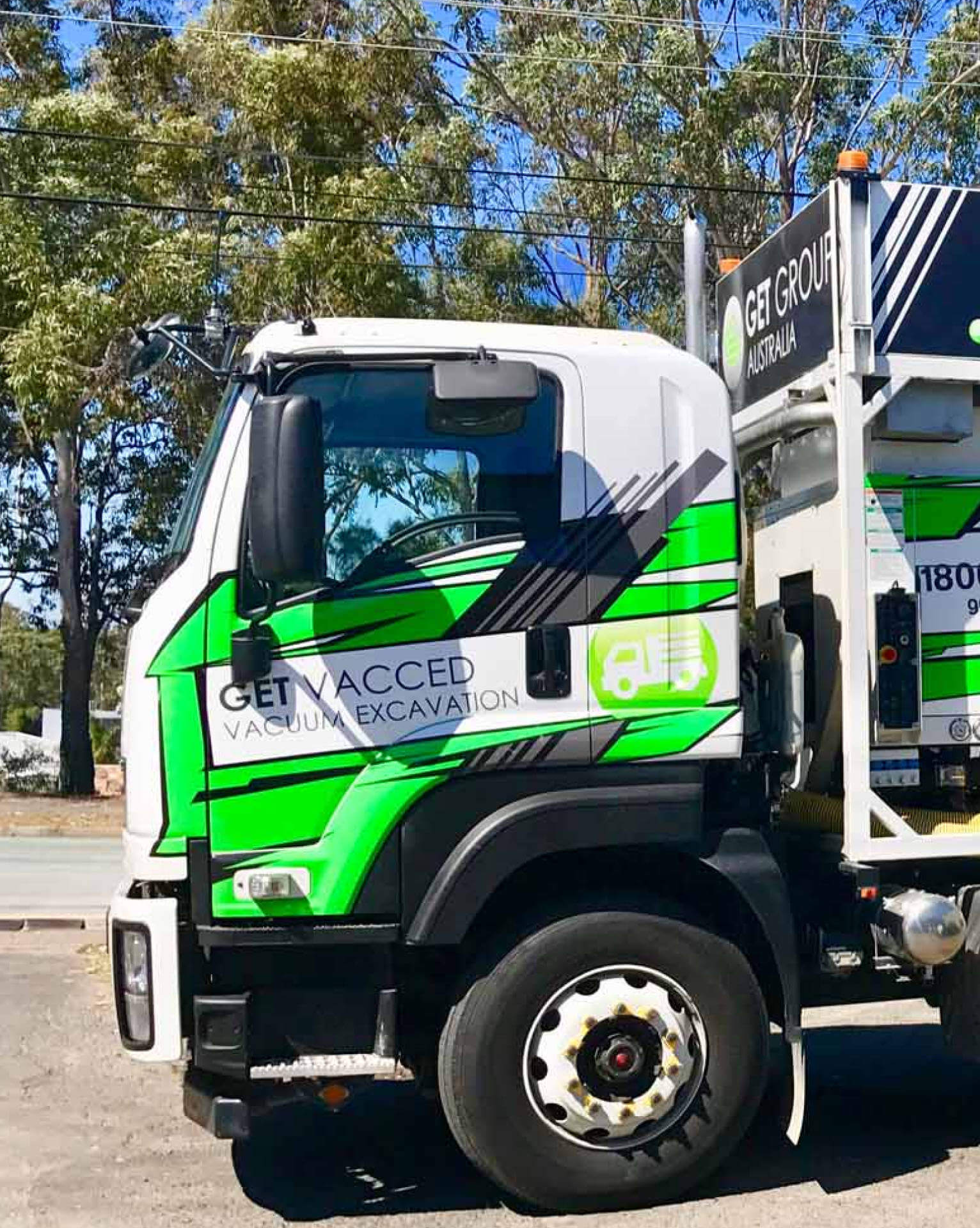
How to Prepare Your Site for Vac Truck Hire on the Gold Coast
A vac truck can arrive with the right equipment and crew, but the job can still lose time if the site is not ready.
Limited access, unclear underground service information, nowhere suitable to position the truck, other trades working through the excavation area or unexpected spoil can all affect how smoothly the job runs.
If you have already decided that vacuum excavation is suitable for the work, preparing the site before the truck arrives can help the crew get started with fewer delays.
Before the Vac Truck Arrives
Before the booking date, check that you have covered the basics:
- confirm the exact work area
- provide available underground service information
- make sure the truck can access the site
- identify a suitable truck position
- estimate the hose distance to the work area
- explain what material is expected
- confirm where spoil will be taken or handled
- coordinate the work with other trades
- check whether traffic control is required
- make sure the site contact is available when the crew arrives
If you are still at the booking stage, our vac truck booking guide for the Gold Coast covers the information worth providing before confirming the job.
Confirm Exactly Where the Work Will Take Place
One of the simplest ways to avoid confusion is to identify the work area before the vac truck arrives.
The crew should know where excavation or material removal needs to take place, what the work is intended to achieve and whether there are several separate areas around the site.
On a larger project, that may mean marking pothole locations, trench lines, pits or specific sections of the work area.
Clear instructions at the start of the job reduce the chance of the truck being positioned in the wrong area or having to move repeatedly between locations.
Have Underground Service Information Ready
Vacuum excavation is commonly used where underground pipes, cables and other infrastructure need to be exposed, but that does not remove the need for proper site information.
Any available service plans, site markings and relevant project information should be ready before excavation begins.
The excavation crew needs to understand what is known about the area and where existing services may be located.
If you are unfamiliar with the process itself, our article on how vacuum trucks are used on the Gold Coast explains how vac trucks can assist with potholing and exposing underground infrastructure.
Check That the Truck Can Reach the Site
Vac trucks are large vehicles, so access should be considered before the booking rather than when the truck is already at the gate.
Things worth checking include:
- gate width
- turning space
- overhead clearance
- soft or unstable ground
- parked vehicles
- temporary fencing
- stored materials
- other plant operating nearby
A truck may not need to sit directly beside the excavation, but difficult access can affect where it can be positioned and how much hose is required.
Choose a Suitable Position for the Vac Truck
Truck positioning affects more than convenience.
The chosen location needs to allow the operator to work while accounting for the excavation area, hose route, surrounding plant, workers and site traffic.
Before the crew arrives, consider whether the intended position:
- blocks another access point
- interferes with deliveries
- conflicts with crane or plant movements
- sits in a live traffic area
- creates unnecessary hose distance
- needs to remain clear for emergency access
On tight sites, it is worth discussing truck position with the provider beforehand rather than assuming there will be enough room on the day.
Estimate the Hose Distance
The distance between the truck and the work area can affect how the job is set up.
A short hose run across an open site is very different from reaching behind a building, through a restricted corridor or into an area where the truck cannot enter.
Let the provider know if the work is separated from the nearest practical truck position by:
- buildings
- fences
- retaining walls
- landscaping
- pedestrian areas
- active construction zones
- roadways
Even an approximate distance is more useful than finding out after the truck arrives that the work area is much farther away than expected.
Explain What Material Needs to Be Removed
The crew should know what they are likely to encounter.
Depending on the project, a vac truck may be dealing with soil, wet spoil, mud, slurry, water or other suitable material.
The material type can influence how the work is completed and how the collected material needs to be handled afterwards.
If there is any possibility of unusual or contaminated material, raise it before the job begins rather than once material is already being collected.
Think About Spoil Volume and Disposal
Vac trucks collect material in an onboard tank, so the amount being removed matters.
Potholing around several services may produce a relatively small volume of spoil. A longer trench, pit clean-out or larger excavation may generate considerably more.
An approximate idea of the excavation size helps the provider plan around tank capacity and disposal.
For larger jobs, also clarify:
- where collected material is expected to go
- whether disposal is part of the scope
- whether multiple loads may be required
- whether different materials need to remain separate
Coordinate Other Trades Before Work Starts
Vacuum excavation often takes place on sites where several contractors are working at once.
If another crew is operating through the same area, the vac truck may not be able to start immediately even if it arrives on time.
Before the booking, make sure relevant trades know:
- where the excavation will happen
- when the vac truck is expected
- which access routes need to stay clear
- whether plant or materials need to be moved
- who is responsible for coordinating the work area
A few minutes of coordination beforehand can prevent the crew from waiting while the site is reorganised.
Check Whether the Vac Truck Will Affect Traffic
Not every vac truck job needs traffic control, but it should be considered where the truck or work area affects a road, shoulder, driveway, lane, pedestrian route or other live traffic environment.
Waiting until the truck arrives to discover that traffic arrangements are needed can delay the entire job.
If the work is near live traffic, discuss the location and proposed truck position before the booking date.
For projects where traffic management is required, Get Directed also provides traffic control services on the Gold Coast.
Make Sure the Work Area Is Accessible
The excavation point itself also needs to be accessible.
Where practical, remove unnecessary obstacles from around the work area before the truck arrives.
That might include:
- stored materials
- temporary barriers that are no longer required
- parked vehicles
- unused equipment
- loose debris
This does not mean clearing controls that are required for safety. It simply means avoiding preventable obstructions that stop the crew from reaching the planned work area.
Confirm the Scope With the Site Contact
The person meeting the crew should understand what has been booked.
They should be able to confirm:
- where the work starts
- the required excavation or clean-up
- available service information
- where the truck can position
- site access rules
- who to speak to if the scope changes
If the site contact is not the person who arranged the booking, make sure the job information has been passed on before the crew arrives.
Plan Around Site Inductions and Access Requirements
Some construction and infrastructure sites have induction, sign-in or access requirements that need to be completed before work can start.
If the crew needs specific instructions before entering the site, let the provider know in advance.
That may include:
- site sign-in procedures
- designated entry points
- escort requirements
- restricted operating hours
- parking instructions
- mandatory site PPE
The goal is to avoid using booked operating time on administrative issues that could have been organised earlier.
What If the Site Conditions Change?
Construction sites rarely stay exactly the same from one week to the next.
If access, excavation locations, ground conditions or the scope of work changes after the booking has been made, tell the provider before the truck arrives.
A change that seems minor from the site can affect truck positioning, equipment requirements or the amount of material expected.
Updating the crew beforehand gives them a chance to plan for the revised conditions.
Preparing for Different Types of Vac Truck Work
The preparation required can vary according to the job.
Potholing
Mark the intended pothole locations and have available underground service information ready. Make sure the truck and hose can reach each location without unnecessary repositioning.
Trenching
Confirm the trench alignment, expected depth and surrounding infrastructure. If the work extends across a larger section of the site, consider how the truck will move or reposition as work progresses.
Slurry and Wet Spoil Removal
Estimate the amount of material where possible and provide information about what produced it. Clarify how the collected material will be handled after removal.
Pit and Drain Cleaning
Make sure the relevant pits or drains are accessible and identify any restrictions around truck positioning, hose access or nearby traffic.
Site Preparation FAQs
How Much Space Does a Vac Truck Need?
The amount of space required depends on the truck, the site and where the work is located. Provide access dimensions and photos beforehand if space is limited.
Does the Vac Truck Need to Park Next to the Excavation?
Not necessarily. Vacuum hoses allow the truck to work from a distance, but longer hose runs should be discussed before the job so the provider can plan the setup.
Should Underground Services Be Marked Before the Truck Arrives?
Available service information and relevant site markings should be prepared before excavation begins. The exact requirements depend on the project and work area.
What Should I Do If the Site Has Limited Access?
Tell the provider before booking and provide measurements, photos or other useful access information. This helps determine whether the proposed truck position and hose run are practical.
Do I Need Traffic Control for Vac Truck Work?
It depends on where the truck and work area are located. If the job affects live traffic, pedestrian movement or road access, traffic control requirements should be considered before work begins.
What Happens If the Scope Changes Before the Booking?
Contact the provider with the updated details. Changes to access, excavation size, material volume or work location can affect how the job needs to be planned.
Ready for Vacuum Excavation on the Gold Coast?
Once the work area, access and scope are confirmed, the next step is arranging the right crew and equipment for the job.
For service details or to discuss an upcoming project, visit our Gold Coast vacuum excavation service page or call 1800 828 723.