Posted in Vac Truck Hire brisbaneTagged , , , , , , , , , , , , , ,

When Should You Use Vacuum Excavation Instead of Mechanical Digging?

Vacuum excavation and mechanical digging can both move soil, but they are not always suited to the same job.

If you are working around underground services, dealing with tight access or only need to expose a small section of ground, a vac truck can give the crew more control. If you are moving a large amount of open ground with plenty of room to work, an excavator may be the more practical option.

When we look at a job, we do not automatically assume vacuum excavation is the answer. We look at what needs to be exposed, how much material needs to come out, what is already in the ground and how the site can be accessed.

What Is the Main Difference?

Mechanical excavation uses equipment such as an excavator or backhoe to physically dig and move the ground.

Vacuum excavation takes a different approach. The ground is loosened and material is removed through a vacuum system rather than being dug out with a bucket.

Hydro excavation is one form of this process, using water to loosen the ground before the material is vacuumed into the truck. We explain that method in more detail in our guide to how hydro vacuum excavation actually works on site.

The important question is not which method is better overall. It is which method makes more sense for the work in front of you.

Vacuum Excavation Makes Sense When Underground Services Are Close By

This is one of the clearest situations where a vac truck can be useful.

If pipes, cables or other buried services are already known or suspected to be near the excavation area, crews often need more control than they would have with a large bucket moving through the ground.

Vacuum excavation can be used to expose a service so the team can see exactly where it sits before other excavation continues.

That does not mean the crew can ignore service plans, markings or site information. Those details still matter.

If your main concern is working around buried infrastructure, our article on using non-destructive digging to expose underground services goes further into that type of work.

Mechanical Digging Can Be More Practical in Open Ground

There are plenty of jobs where an excavator still makes sense.

If the work is in an open area, there are no nearby services to expose and a large amount of material needs to be moved, mechanical digging may be the simpler way to get through the bulk excavation.

That is why we would not tell someone to use a vac truck for every excavation job.

Sometimes the best approach is also a combination of methods. A vac truck may be used first to expose services or confirm what is in the ground, then mechanical excavation can continue once the work area is better understood.

What About Potholing?

Potholing is a good example of a job where vacuum excavation can make sense because the crew is usually trying to expose a relatively small area rather than open up the whole site.

The aim may be to confirm the position or depth of a pipe, cable or other underground asset before the next stage of work begins.

Using a large excavator for that first investigation can be unnecessary, especially when the exact service position is not yet visible.

Once the service has been exposed and the site team knows what they are working around, the rest of the excavation can be planned with much more information.

Tight Access Can Change the Decision

Sometimes the biggest issue is not what needs to be dug. It is whether the equipment can physically reach the work area.

A mechanical excavator needs enough space to enter, position and operate safely.

A vac truck can sometimes stay further away from the excavation area and work through hose, which may be useful when the job is behind a building, inside a fenced area or somewhere the truck itself cannot sit directly beside the work.

That does not make access irrelevant. We still need to know where the truck can park and how far the hose needs to reach.

If access is likely to be the difficult part of the job, our practical guide to checking truck access, positioning and the work area before a vac truck arrives covers the details worth looking at beforehand.

How Much Material Needs to Come Out?

Volume matters.

Vacuum excavation can be very useful for controlled excavation, but the truck still has a limited amount of space for collected material.

If the project involves a large volume of open excavation, an excavator may be more practical for moving the bulk of the material.

If the work involves smaller excavation areas, potholes, trenches around services or difficult sections of the site, vacuum excavation may be a better fit for those parts of the job.

The type of material matters too. Soil, mud, slurry and wet spoil can all change how the work needs to be approached. We have a separate guide covering the materials a vacuum truck can remove and what affects handling.

What If the Ground Is Hard or Compacted?

Ground conditions can affect both methods.

Loose soil is very different from compacted ground, heavy clay or mixed fill.

If you already know what the site is like, tell us. Even a simple description can help us understand how the excavation may behave.

On some jobs, the question is not only whether a vac truck can remove the material, but how easily that material can be loosened in the first place.

What About Trenches?

Trenching can go either way depending on the job.

If the trench is long, open and clear of services, mechanical excavation may make sense for much of the work.

If the trench crosses existing utilities or needs to pass through a congested area, vacuum excavation may be used where more control is needed.

Again, the methods do not always have to compete with each other. On many sites, the sensible approach is to use each one where it is most useful.

What If There Is Mud, Slurry or Wet Spoil?

This is another situation where the decision can change.

An excavator can move wet material, but a vac truck may be useful when the material needs to be collected through suction or is sitting in an awkward location such as a pit, trench or restricted work area.

Before we plan that kind of job, we want to know what the material is, roughly how much there is and where it came from.

If the material may be unusual or contaminated, that also needs to be raised before work starts.

Does Vacuum Excavation Mean Less Site Disturbance?

It can, particularly when the work only needs to expose a specific point in the ground.

A smaller excavation area can mean less surrounding ground needs to be opened just to find or confirm a service.

That can be useful in landscaped areas, around existing infrastructure or anywhere the crew wants to keep the excavation as targeted as possible.

But we would still look at the whole job before deciding that vacuum excavation is the better option. If a large area already needs to be opened, the advantage may be smaller.

Which Method Is Faster?

There is no single answer.

An excavator can move a lot of material quickly in the right conditions.

A vac truck may save time when the alternative is carefully digging around known services, working in a restricted area or stopping repeatedly because the crew is unsure what is below the ground.

The faster method depends on what the job is actually trying to achieve.

Which Method Costs More?

Comparing hourly rates on their own does not tell you much.

The final cost can depend on the amount of material, time on site, truck access, disposal, travel and how much other work needs to happen around the excavation.

For example, a lower hourly rate does not necessarily mean a lower total project cost if the method takes longer or creates additional work afterwards.

If you are budgeting a vac truck job, our breakdown of the site and job details that can change a vac truck quote gives a better idea of what actually affects pricing.

What If the Work Is Beside a Road?

The excavation method is only one part of the planning if the work is beside live traffic.

We also need to think about where the truck or excavator will sit, whether access is being blocked and how workers will move around the site.

Where traffic management is required, Get Group can coordinate traffic control alongside excavation work rather than treating the two parts of the job separately.

Do You Need to Choose the Method Yourself?

No.

You do not need to call us already knowing that you need hydro excavation, a particular truck or a specific setup.

Tell us what you are trying to achieve.

We want to know what needs to be exposed or removed, what is already known about the ground, how much material is involved and what access looks like.

From there, we can talk through whether vacuum excavation makes sense for the job.
If the next question is what sort of vac truck setup would suit the project, our guide to how site conditions and the scope affect the vac truck setup explains that decision in more detail.

When Would We Lean Towards Vacuum Excavation?

We would usually look more closely at vacuum excavation when the job involves underground services, potholing, restricted access, a small controlled excavation area or material that is better suited to vacuum removal.

We would be less likely to recommend it simply because a vac truck is available.

The method needs to make sense for the site.

When Would Mechanical Digging Make More Sense?

If the ground is open, the excavation area is large, services are not creating a major constraint and there is room for machinery to work, mechanical digging may be the more practical option.

There is no benefit in making a simple excavation more complicated than it needs to be.

That is why we prefer to understand the project before recommending a method.

What Should You Tell Us Before We Look at the Job?

You do not need a long technical brief.

Start with the useful details:

  • what needs to be exposed, excavated or removed
  • where the site is
  • whether underground services are known to be nearby
  • roughly how large or deep the excavation is
  • what the ground or material is like if you know
  • what access is available for the truck or machinery
  • whether the work is near live traffic

Plans and photos can also help, particularly when the work area is difficult to describe.

If the project date is already starting to take shape, it is also worth reading our guide to working vac truck excavation into the project schedule.

Vacuum Excavation vs Mechanical Digging FAQs

Is Vacuum Excavation Always Safer Around Underground Services?

Vacuum excavation can give crews a more controlled way to expose services, but the work still needs proper planning, service information and site procedures.

Can Vacuum Excavation Replace an Excavator Completely?

Not always. On some projects, vacuum excavation is used for specific parts of the work and mechanical excavation is used for the larger open areas.

Is Vacuum Excavation Suitable for Large Excavations?

It depends on the scope. For very large volumes of open excavation, mechanical equipment may be more practical. Vacuum excavation is often most useful where control, access or underground services are important.

Can a Vac Truck Work Where an Excavator Cannot Reach?

Sometimes. The truck may be able to remain further from the work area and use hose to reach the excavation, but the available truck position and hose route still need to be checked.

Do I Need to Know Which Excavation Method to Book?

No. Give us the site details and explain what needs to happen. We can discuss whether vacuum excavation suits the job.

Not Sure Which Excavation Method Makes Sense?

You do not need to make the decision from a checklist.

Tell us what you are trying to excavate, what is already in the ground and what the site looks like. From there, we can talk through whether a vac truck is a practical option for the work.

For more information about the service itself, visit our vacuum excavation service page or call 1800 828 723.

Read More
Posted in Vacuum Excavation Gold CoastTagged , , , , , , , , , , , ,

What Type of Vac Truck Do You Need for Your Gold Coast Project?

Not every vac truck job needs the same setup.

A small potholing job on an open site is very different from trenching beside existing services, removing slurry from a tight work area or cleaning out a pit where access is limited.

When we look at a job, we are not just thinking about the size of the truck. We look at what needs to be done, what material is coming out of the ground, where the truck can sit and how the crew will actually get the work done.

If you are not sure what sort of setup your project needs, that is completely normal. You do not need to work it all out before you call us.

What Do We Look At Before Sending a Vac Truck?

The first thing we want to understand is the job itself.

Are we exposing underground services? Potholing before an excavator comes through? Removing mud or slurry? Cleaning a pit? Digging a trench around existing infrastructure?

From there, we look at the site. Access, ground conditions, hose distance, the amount of material being removed and where that material needs to go can all affect the setup.

If you are still deciding whether vacuum excavation suits the work, our guide to how vacuum trucks are used on the Gold Coast is a useful place to start.

Potholing Does Not Need the Same Setup as a Large Excavation

Potholing is one of the more common jobs we carry out with a vac truck.

The aim is usually to expose a small section of ground so the crew can confirm where a pipe, cable or other service is sitting before larger excavation begins.

For a job like this, we want to know how many potholes are needed, how deep they are likely to be and how spread out they are across the site.

One pothole close to the truck is straightforward. Twenty potholes across a large construction site need more planning because the crew may need to move between work areas or run more hose.

Working Around Underground Services

Vacuum excavation is often used because there are existing services in the ground and the crew needs a more controlled way to expose them.

That means we need as much useful site information as possible before we start.

If you have service plans, markings or information from previous work on the site, have it ready. It gives our operators a clearer picture of what they are dealing with before excavation begins.

For projects where you already know you need this type of work, you can also see our vacuum excavation services on the Gold Coast.

Trenching Usually Means More Material

Trenching can quickly become a very different job from potholing because there is more ground being opened and more material being removed.

We want to know roughly how long the trench is, how deep it needs to go and what is already in the ground around it.

The amount of spoil matters too. The more material coming out, the more important tank capacity and disposal planning become.

On a longer trench, truck positioning can also change as the work moves along. That is something we would rather plan beforehand than try to solve once the job is already underway.

What Is the Material Like?

The material itself can change how we approach the work.

Loose soil, clay, wet spoil, mud and slurry do not all behave the same way. If you already know what the site conditions are like, tell us.

You do not need a technical soil report for every job. Even basic information such as “it is heavy clay” or “the area is already full of wet spoil” gives us something useful to work with.

If the material may be contaminated or unusual, that needs to be raised before the job so handling and disposal can be discussed properly.

Can the Truck Actually Get Close to the Job?

This is one of the biggest practical questions.

A truck can have plenty of capacity and still be the wrong option if it cannot get into position.

On some sites we can park close to the excavation. On others, there may be fencing, buildings, landscaping, traffic or other machinery between the truck and the work area.

That does not necessarily stop the job, but it changes the setup.

If access is tight, send through photos, measurements or a quick description before the booking. It is much easier to plan around a narrow gate or awkward truck position when we know about it in advance.

We have a separate guide on preparing your site before a vac truck arrives if access and site setup are your main concern.

How Far Does the Hose Need to Run?

The truck does not always need to sit directly beside the work area.

That is one of the useful things about vac truck work. The hose can reach into areas where the truck itself cannot go.

But distance still matters.

A short hose run across an open site is different from reaching behind a building, over a retaining wall or through a restricted work area.

If you know the approximate distance from the nearest practical truck position to the work area, let us know. It helps us plan the job properly.

How Much Material Are We Removing?

Every truck has a limit to how much material it can carry.

For a few potholes, that may not be much of an issue. For trenching, slurry removal or larger clean-up work, it becomes more important.

If we know roughly how much material is coming out, we can think ahead about tank capacity and whether disposal trips may be needed.

You do not need to give us an exact cubic metre figure. A rough idea of the excavation size or the amount of material on site is still useful.

Is It Excavation or Mainly Material Removal?

Not every vac truck job is the same kind of work.

Some jobs involve loosening and removing soil as part of hydro excavation. Others are mainly about collecting material that is already loose, wet or sitting in a pit or work area.

That distinction matters because the equipment and setup can be different.

If you are calling about mud, water, slurry or another material rather than excavation itself, say that upfront. It helps us understand the job faster.

What About Roadside or Live Traffic Work?

If the truck needs to operate beside a road, shoulder, driveway or other live traffic area, we also need to think about where the truck can sit safely while the work is happening.

In those cases, traffic control may need to be organised as part of the job.

Get Group can also coordinate traffic control on the Gold Coast where the work requires it.

It is better to sort that out before the truck arrives than discover on the day that the planned position affects traffic.

Do You Need to Choose the Truck Yourself?

No.

You do not need to ring us and ask for a particular truck size or piece of equipment unless you already know exactly what you need.

In most cases, the better approach is to tell us what is happening on site.

Give us the location, what needs to be done, what the access is like and any information you have about underground services or material.

From there, we can work out what setup makes sense.

If you are still getting the job organised, our guide on what to know before booking a vac truck on the Gold Coast covers the broader booking process.

What We Need to Know Before the Job

You do not need to send us a huge technical brief.

The most useful information is usually simple:

  • where the site is
  • what needs to be done
  • how deep or large the excavation is likely to be
  • what material we are dealing with
  • what access is like
  • whether there are underground services nearby
  • whether the truck will be working near traffic

If you can add photos or plans, even better.

That gives us enough context to have a useful conversation instead of guessing.

Different Jobs, Different Priorities

Residential and Tight-Access Sites

On smaller sites, access is often the main issue. Driveways, fences, neighbouring properties and limited turning space can all affect where the truck can sit.

In those situations, hose distance and truck position can matter more than having the biggest possible unit.

Commercial Construction Sites

On commercial sites, we are often working around other trades, machinery and staged work areas.

We need to understand where the truck can operate without getting in everyone else’s way and how the excavation fits into the wider job.

Civil and Infrastructure Projects

Civil work can involve larger scopes, multiple excavation points and more coordination around traffic, spoil and site access.

For these jobs, planning the sequence of work can be just as important as choosing the truck itself.

Roadside Work

For roadside jobs, truck position, traffic movement and safe access to the work area become major considerations.

We want to understand those conditions before the truck is sent out.

Common Questions About Choosing a Vac Truck

Do I Need to Know What Size Truck I Need?

No. Tell us about the job and we can work through the setup with you.

Does a Bigger Truck Always Mean the Job Will Be Faster?

No. Bigger is not automatically better. Access, hose distance, ground conditions and the type of work can matter just as much as tank size.

Can the Same Vac Truck Be Used for Different Types of Work?

Often yes, but it depends on the job. Potholing, slurry removal and pit cleaning can have different equipment and setup requirements.

What If I Do Not Know the Ground Conditions?

That is fine. Tell us what you do know. Photos, nearby excavation work or information from the site team can still help us plan.

What If Access Is Really Tight?

Let us know before the booking. Photos and measurements are especially helpful when access is limited.

Not Sure What Vac Truck Your Gold Coast Project Needs?

You do not need to work out the truck specifications yourself.

Tell us what is happening on site, where the work is, what access is like and what needs to be removed or excavated.

We can talk through the job and work out a practical setup.

If you are ready to arrange the work, visit our Gold Coast vacuum excavation service page or call 1800 828 723.

Read More
Posted in Vacuum Excavation Gold CoastTagged ,

When Should You Book a Vac Truck for a Project in South East Queensland?

There is no single rule for how far ahead you should book a vac truck.

Some jobs can be organised quickly. Others need more planning because the vac truck has to fit around other trades, traffic control, site access or a fixed construction program.

For us, the best time to book is usually when the scope is clear enough to understand the job properly, but early enough that any access or scheduling issues can be sorted out before the truck is due on site.

Book Once You Know What the Job Actually Involves

You do not need every last detail confirmed before making contact, but we need enough information to understand what the crew will be doing.

That usually means knowing the site location, the type of work, the approximate excavation area and whether there are any obvious access or traffic issues.

If you are still working out what sort of vac truck setup the job needs, our guide to choosing the right vac truck for a project explains the main things we look at.

Fixed Construction Programs Need More Notice

If the vac truck work is tied to a specific stage of a construction program, it is better to organise it earlier.

For example, potholing may need to happen before excavation, drilling or installation can begin. If that work is delayed, the next trade may not be able to start.

That is why it helps to treat the vac truck as part of the project sequence rather than something to organise at the last minute.

Once you know roughly when the work needs to happen, get the booking conversation started.

Think About What Has to Happen Before the Vac Truck Arrives

Sometimes the truck is only one part of the preparation.

The site may need underground service information, access approval, inductions, traffic control or space cleared before the crew can start.

If those things are not ready, having the truck booked does not necessarily mean the work can begin.

Our guide to preparing a site before vac truck work covers the practical site checks in more detail.

Do Not Leave Tight Access Until the Day of the Job

Tight sites usually need more thought than open construction areas.

If the truck needs to enter through a narrow gate, work around buildings or sit some distance from the excavation area, tell us before the booking date.

Photos can help us understand where the truck may be able to position and how the hose will reach the work.

It is much easier to solve those questions in advance than when the crew is already at the gate.

Book Earlier if Traffic Control May Be Needed

If the vac truck needs to work on or beside a road, shoulder, driveway or another live traffic area, traffic management may affect the timing of the job.

That can add another layer of coordination, so it is worth raising early.

Get Group also provides traffic control services, which can help where vacuum excavation and traffic control need to be planned together.

Other Trades Can Affect the Best Booking Time

Vac truck work often happens alongside other crews.

You may have excavators, electricians, plumbers, civil crews or concreters working to the same program.

The important thing is to think about when the vac truck work needs to happen in relation to those trades.

If the vac truck is there too early, the site may not be ready. If it is there too late, another crew may already be waiting.

A simple sequence can save a lot of unnecessary downtime.

Allow Time for Underground Service Information

If the work involves exposing underground services, make sure the available service information is ready before the excavation starts.

That might include plans, site markings or information from earlier work.

You do not want to discover on the morning of the job that an important part of the site information is still missing.

For a closer look at this type of work, see our article on vacuum excavation and underground service locating in Brisbane.

Large or Multi-Stage Jobs Need More Planning

A single pothole is different from a project with multiple excavation points spread across a site.

If the crew needs to move between areas, work over several stages or coordinate with changing site access, it is worth discussing that upfront.

We can then understand whether the work should be handled in one visit or planned around different stages of the project.

What If the Job Is Urgent?

Sometimes work comes up unexpectedly.

If the job is urgent, contact the provider as soon as you know what is needed.

It helps if you can give a clear summary straight away: where the site is, what needs to be done, what access is like and whether traffic or underground services are involved.

That gives the provider a better chance of quickly understanding whether the job can be fitted into the schedule.

Weather Can Change the Plan

Site conditions can change quickly after rain.

Access may become more difficult, the material being removed may change or other site activities may be delayed.

If the job depends on weather or ground conditions, keep the provider updated rather than assuming the original plan will still work.

A quick conversation before the booking date can prevent unnecessary delays on site.

How Much Notice Should You Give?

There is no fixed number of days that suits every vac truck job.

The more complicated the site or project schedule, the earlier it makes sense to start the conversation.

A simple job with easy access may need less planning than work involving several excavation points, traffic control and multiple trades.

If you already know the project date, there is usually no benefit in waiting until the last minute to discuss it.

Should You Book Before You Have a Final Quote?

Ideally, the scope should be clear enough for the provider to understand what is being priced before the job is confirmed.

If important details are still missing, the quote may change once those details become clear.

Our article on what can change a vac truck quote in South East Queensland explains some of the things that can affect pricing.

What Should You Confirm Before the Booking Date?

A few days before the job, it is worth checking that the main details are still correct.

Confirm the site address, start time, site contact, access arrangements and the scope of work.

If anything has changed, such as truck access, traffic conditions or the excavation area, tell the provider.

That final check can prevent a small change from turning into a bigger problem on the day.

What We Need From You When Booking

You do not need to send us a complicated technical brief.

Tell us where the job is, what needs to happen, when you need it done and what you know about access and underground services.

If you have plans or photos, send them through.

If you are booking for the first time and want a broader overview, our guide to what to know before booking a vac truck covers the main information worth having ready.

Vac Truck Booking FAQs

How Early Should I Book a Vac Truck?

It depends on the job. Projects with fixed dates, difficult access, traffic control or several work stages usually benefit from being discussed earlier.

Can I Book Before the Site Is Fully Ready?

You can start the conversation early, but make sure the important site details are confirmed before the truck arrives.

What If My Project Date Changes?

Contact the provider as soon as you know. Early notice makes it easier to adjust the schedule where possible.

Should I Book Traffic Control at the Same Time?

If the vac truck will affect live traffic, it is worth discussing the traffic requirements while the excavation work is being planned.

What If I Need a Vac Truck at Short Notice?

Provide as much information as possible when you call so the provider can quickly understand the job and check what options are available.

Planning Vac Truck Work in South East Queensland?

If you know the project date, site location and general scope, that is usually enough to start the conversation.

Tell us what needs to happen and when you need the truck on site, and we can work through the remaining details with you.

For vacuum excavation enquiries across South East Queensland, visit our vacuum excavation service page or call 1800 828 723.

Read More
Posted in Vac Truck Hire brisbaneTagged , , , , , , , , , , , , , , ,

How Does Site Access Affect Vac Truck Work?

Site access can have a big impact on how a vac truck job is planned.

The material might be straightforward to remove, but the job can still become difficult if the truck cannot get close to the work area, the hose has to run a long distance or there is limited room to position safely.

When we look at a site, we are not only asking what needs to be excavated or removed. We also want to know how the truck gets in, where it can sit and how the crew will reach the work area.

Quick Site Access Check

Site condition Why it matters What helps us plan
Narrow gate or entry The truck may not be able to enter the site or turn comfortably. Gate width, access photos and a clear entry route.
Truck cannot park beside the work A longer hose run may be needed. Approximate distance from truck position to work area.
Soft or uneven ground It may affect where the truck can safely position. Photos and a description of the ground conditions.
Buildings, fences or retaining walls The hose may need to take a less direct route. Photos showing the obstacles and access path.
Roadside or busy access point The truck position may affect traffic or pedestrians. Road location, work area and likely truck position.

Can the Truck Actually Get Into the Site?

This is the first thing worth checking.

A vac truck needs enough room to enter, position and leave the site without creating unnecessary problems for other workers, vehicles or nearby properties.

On open civil sites, that can be simple. On commercial or residential jobs, access may be more limited.

Narrow driveways, gates, parked vehicles, temporary fencing and other machinery can all affect where the truck can go.

If access looks tight, send us photos before the job. A few clear images can usually tell us much more than a long explanation over the phone.

What If the Truck Cannot Park Beside the Work?

The truck does not always need to sit directly beside the excavation area.

In some situations, the hose can reach into areas where the truck itself cannot go.

That can be useful when the work is behind a building, inside a fenced area, below a retaining wall or in another restricted section of the site.

But the hose route still needs to make sense.

The longer or more complicated the run, the more important it is to plan the setup before the crew arrives.

If the project is still at the equipment-planning stage, our guide to how site conditions affect the vac truck setup explains some of the other factors we look at before sending a truck.

How Much Does Hose Distance Matter?

Hose distance can affect the way the job is set up, especially when the truck has to stay away from the excavation area.

A short run across an open site is very different from running hose around buildings, fencing or other obstacles.

You do not need to measure the distance perfectly. A rough estimate is usually enough to start the conversation.

If you can say something like “the truck can park about 20 metres from the pit” or “the work area is behind the building and the truck has to stay at the front”, that gives us useful context straight away.

What About Fences, Buildings and Retaining Walls?

These do not automatically stop vac truck work, but they can change how the crew reaches the excavation area.

For example, a pit may be easy to reach by hose even when the truck cannot park beside it.

On another site, the hose route may be awkward because it has to pass around fencing, through a narrow access point or over uneven ground.

The important thing is to tell us about those obstacles before the job rather than waiting until the truck arrives.

Soft Ground Can Be Just as Important as Tight Access

Access is not only about width.

Ground conditions can also affect where the truck can position.

Soft, wet or unstable ground may not be suitable for the truck, even if there is technically enough space.

If the site has been affected by rain or recent earthworks, let us know.

We may be able to work from a firmer position and use hose to reach the work area instead.

What If the Site Is on a Slope?

Sloping sites can add another layer of planning.

The question is not only whether the truck can get there, but whether there is a practical place for it to sit while the work is being completed.

If the site has a steep driveway, uneven ground or a significant level change, photos are especially helpful.

That gives us a chance to understand the site before we commit to a truck position.

Roadside Work Needs More Planning

If the truck needs to operate beside a road, driveway or other live traffic area, access and traffic movement need to be considered together.

The best truck position for the excavation may not be the best position for traffic flow.

That is why it helps to look at both parts of the job before work starts.

Where traffic control is required, Get Group can also coordinate traffic control around vacuum excavation work so the truck position and traffic setup are planned together.

What If Other Trades Are Already Working Nearby?

Vac truck work often happens on active sites where other crews are already moving through the area.

Excavators, delivery vehicles, electricians, plumbers and civil crews may all need access at the same time.

The truck should not be positioned in a way that creates avoidable problems for the rest of the site.

If the area is busy, it helps to know which access routes need to stay clear and whether the vac truck needs to work within a specific time window.

Site Access Can Also Affect the Excavation Method

Sometimes access helps decide whether vacuum excavation is practical in the first place.

An excavator may be difficult to get into a tight work area, while a vac truck may be able to stay further away and reach the job by hose.

On other sites, there may be enough open space for mechanical excavation to make more sense.

We look at the actual site rather than assuming one method is always better.

If you are comparing the two approaches, our guide to when vacuum excavation makes more sense than mechanical digging explains where each method can fit.

Does the Material Change the Access Plan?

It can.

Soil, mud, slurry and wet spoil may all require slightly different planning, particularly when there is a larger volume to remove.

If the material is heavy, wet or spread across several work areas, we may need to think more carefully about truck position and how often the crew needs to move.

If you are not sure whether the material is suitable for vacuum removal, our article on what vacuum trucks can remove and what affects the job is a useful starting point.

A Few Real-World Access Scenarios

The Pit Is Behind a Building

The truck may be able to stay in a more accessible position while the hose is run through to the pit.

Before the job, we would want to know the approximate distance and whether the hose route is clear.

The Work Is Inside a Fenced Compound

If the truck cannot enter the compound, the crew may still be able to work from outside it depending on the layout.

Photos of the gate, fencing and work area make this much easier to assess.

The Job Is Beside a Busy Road

Truck position becomes part of the traffic-planning conversation.

We would want to know where the work is happening, where the truck could sit and how that position may affect vehicles or pedestrians.

The Site Is Open but the Excavation Points Are Spread Out

Access may be easy, but the truck may still need to reposition as the work moves across the site.

Knowing the number and location of excavation points helps us plan the sequence.

What Should You Send Us Before the Job?

You do not need a detailed access report.

A few practical details are usually enough:

  • photos of the entry point and work area
  • approximate gate width if access is tight
  • where the truck is likely to park
  • rough distance from the truck to the work area
  • any fences, buildings or level changes in the way
  • ground conditions if the area is soft or wet
  • whether the work is close to traffic

If the site has not been prepared yet, our guide to getting the work area ready before a vac truck arrives covers the wider site-preparation side of the job.

Should You Check Access Before You Book?

Yes, especially if the site is tight or unusual.

You do not need to solve every access question before making contact, but it is better to raise possible issues early.

If the project already has a fixed date, access should be checked before the booking gets too close.

Our guide to planning vac truck work around the project schedule explains why timing matters when access, traffic or other trades are involved.

Vac Truck Access FAQs

Does a Vac Truck Need to Park Right Beside the Excavation?

No. In some situations, the truck can work from further away using hose, but the distance and route still need to be practical.

How Do I Know if My Gate Is Wide Enough?

If access looks tight, send through the gate width and a few photos. That gives the crew a better idea of whether the truck can enter or needs to work from another position.

Can a Vac Truck Work Behind a Building?

Potentially. The truck may be able to stay in an accessible position while the hose reaches the work area, depending on the distance and site layout.

Can Soft Ground Affect Where the Truck Parks?

Yes. Soft or unstable ground can affect truck positioning, so tell the crew if the area has been affected by rain or recent earthworks.

Should I Send Site Photos Before Booking?

Yes, especially when access is limited. Photos of the entry, truck position and work area can make planning much easier.

Not Sure If the Truck Can Reach the Work Area?

Send us a few photos and tell us what the access looks like.

We can look at where the truck may be able to position, how the hose would reach the job and whether there are any obvious access issues worth sorting out before the crew arrives.

For vacuum excavation enquiries, visit our vacuum excavation service page or call 1800 828 723.

Read More
Posted in Vacuum Excavation Gold CoastTagged ,

How to Choose a Vac Truck Hire Company in South East Queensland

Choosing a vac truck company is not only about finding a truck that is available on the day you need it.

The crew needs to understand what is happening on site, bring equipment that suits the work and be able to fit in with the rest of the project.

A straightforward potholing job can be very different from trenching around existing services, removing wet spoil or working in a tight commercial site.

Across South East Queensland, access, ground conditions, traffic and the type of work can change considerably from one project to the next. That is why we think it is worth asking a few practical questions before confirming a provider.

Start With What Actually Needs to Be Done

The first conversation should be about the job, not just the truck.

Are you exposing an underground service? Opening several potholes? Cleaning a pit? Removing slurry? Working along a trench?

A provider should understand the work before deciding what setup makes sense.

If you are still working out whether a vac truck is suitable at all, our guide to common vac truck uses across South East Queensland gives a good overview of where the equipment can be useful.

Do They Ask About the Site?

The same type of excavation can be straightforward on one site and awkward on another.

Truck access, hose distance, nearby buildings, other plant and working space can all affect how the job needs to be approached.

We would expect a provider to ask where the truck can sit and how far the work area is from that position.

If the site is tight, photos can be particularly useful. A few clear images of the access point and work area can answer questions that are difficult to explain over the phone.

Can They Match the Equipment to the Job?

You should not have to work out the exact truck specification yourself.

Tell the provider what you need done and what the site looks like. From there, they should be able to explain what equipment they are proposing and why.

For example, a few potholes close to the truck do not create the same requirements as a longer trench or a job involving a large amount of wet spoil.

If you want to understand that decision in more detail, we have a separate guide on how the right vac truck setup is chosen for a project.

Ask About Experience With Similar Work

Vac truck work covers more than one type of job.

There is a difference between operating on an open construction site and working around existing underground services in a busy commercial area.

You do not necessarily need a long list of impressive claims. A simple explanation of the type of work the crew regularly handles can tell you a lot.

Ask whether they have worked on similar sites and how they normally approach the type of job you are planning.

How Do They Approach Underground Services?

If the work is near pipes, cables or other infrastructure, the provider should want to know what information is available before excavation begins.

Have any relevant service plans, markings and site information ready.

Vacuum excavation can be useful for exposing underground services, but it still needs to be planned around what is known about the area.

For Brisbane projects specifically, the site already has articles covering vacuum excavation for underground service locating in Brisbane and non-destructive digging in Brisbane.

Do They Understand Access Before They Arrive?

Access problems are much easier to solve before the truck is already at the site.

Tell the provider about narrow gates, limited turning space, overhead restrictions, fencing or other machinery that could affect the truck position.

The truck may not need to sit directly beside the excavation, but the hose still needs a practical route to the work area.

A provider who asks about these details early is in a better position to plan the job properly.

What Happens to the Material?

This is another question worth sorting out before work begins.

The crew may be removing soil, clay, mud, slurry, water or another material. What happens afterwards depends on what has been collected and the requirements of the project.

Ask how the material will be handled and whether disposal is part of the quoted scope.

If there is any chance that the material is unusual or contaminated, mention it before the job. It is much easier to deal with that information during planning than after the tank has already been filled.

How Clear Is the Quote?

A low hourly figure does not necessarily mean a lower final job cost.

You need to know what the quote actually includes.

Travel, operating time, disposal, traffic requirements and other site conditions can all affect the final amount.

When you compare providers, make sure they are pricing the same scope rather than comparing two numbers based on different assumptions.

We have gone into this in more detail in our article on the details that can change a vac truck quote in SEQ.

Do They Communicate Clearly?

This sounds basic, but it matters once several people are waiting on the same job.

You should know what information the crew needs from you, when they are expected and whether anything needs to be prepared before they arrive.

If access changes or the scope moves, there should also be a clear person to contact.

Good communication does not need to be complicated. You just want everyone to know what is happening before the truck turns up.

Can They Work Around Other Trades?

Vac truck work rarely happens in isolation.

On construction and civil sites, there may already be excavators, electricians, plumbers, civil crews and deliveries moving through the area.

The vac truck crew needs to understand where they fit into that work.

That can mean choosing a sensible truck position, keeping access available and coordinating excavation with the next stage of the project.

For us, that practical site awareness matters just as much as knowing how to operate the equipment.

What If Traffic Is Involved?

Some jobs are well inside a site. Others are beside roads, driveways, shoulders or other areas where vehicles and pedestrians are moving past the work.

If the truck position affects traffic, that should be identified before the booking date.

Depending on the job, traffic control may need to be organised alongside the excavation work.

Get Group provides both vacuum excavation and traffic control, so where those services overlap we can coordinate the work rather than treating them as completely separate jobs.

Do They Cover the Area You Are Working In?

South East Queensland covers a large area, and travel can be part of the planning.

If the project is outside the provider’s normal operating area, clarify that before you book.

The site currently has location-specific information for areas such as Brisbane vacuum excavation and vacuum excavation in Ipswich, as well as the broader Get Vacced service information.

Should You Choose the Cheapest Provider?

Price should be part of the decision, but it should not be the only part.

If two companies have priced exactly the same scope and one is more competitive, that is useful information.

The problem is when a cheaper figure leaves out something important or is based on a different understanding of the work.

We would compare the whole proposal: what equipment is being sent, what the provider understands about the site, what is included and how the material will be handled.

What Should You Ask Before Confirming the Job?

You do not need to turn the call into an interview. A few straightforward questions are usually enough.

Ask what information they still need from you, what equipment they expect to use, where the truck will need to sit and what happens to the material after it is collected.

If there are underground services, traffic issues or difficult access, talk about those before you confirm the booking.

The aim is simply to make sure both sides are talking about the same job.

What We Want to Know When You Call Us

If you call Get Vacced, you do not need to know the technical answer to every question.

Tell us where the job is, what needs to be done and what you know about the site.

If you have photos, plans or information about underground services, send those through too.

From there, we can ask the questions we need and work out what setup makes sense.

For projects that are still in the planning stage, our guide to what to know before booking a vac truck covers the practical information that is useful before confirming the job.

Vac Truck Hire Company FAQs

Do I Need to Know What Size Vac Truck I Need?

No. Explain the work and site conditions and let the provider recommend a suitable setup.

Should I Send Photos Before Booking?

If access is tight or the work area is difficult to explain, photos can be very helpful.

Should I Tell the Provider About Underground Services?

Yes. Provide any available plans, markings or information that is relevant to the excavation area.

Does the Cheapest Hourly Rate Mean the Cheapest Job?

Not necessarily. Make sure quotes are based on the same scope and check what is included before comparing them.

Can One Provider Handle Both Vacuum Excavation and Traffic Control?

Get Group provides both services, which can be useful where the vac truck needs to work around live traffic or road access.

Need a Vac Truck Crew in South East Queensland?

If you have an upcoming job, tell us where the site is, what needs to be excavated or removed and what access is like.

We can talk through the work and help determine a practical setup for the site.

Visit our vacuum excavation service page or call 1800 828 723 to discuss the job.

Read More
Posted in Vac Truck Hire brisbaneTagged , , , , , , , ,

When Is Vacuum Excavation the Right Choice for a Project?

Vacuum excavation can be a good fit when the job needs more control than ordinary digging, especially around underground services, tight access or smaller excavation areas.

But it is not automatically the right choice for every project.

When we look at a job, we usually ask what needs to be exposed or removed, how much material is involved, what is already in the ground and how easy the site is to access.

Those details usually tell us more than the job title alone.

When Does Vacuum Excavation Make Sense?

Site or job condition Vacuum excavation fit Why
Underground services nearby Often a good fit It can give the crew more control when exposing buried infrastructure.
Potholing or small service exposure Often a good fit The crew only needs to open a targeted area rather than a large section of ground.
Tight or awkward access Can be useful The truck may be able to stay further away while hose reaches the work area.
Large open bulk excavation May not be the first choice Mechanical excavation may be more practical when large volumes need to be moved.
Mud, slurry or wet spoil Can be useful Vacuum removal can suit material that is already wet or difficult to handle conventionally.
Roadside work Depends on the site Truck position, traffic movement and access all need to be planned together.

Working Around Underground Services

One of the clearest reasons to consider vacuum excavation is when pipes, cables or other services are already known or suspected to be in the work area.

The aim is usually not to dig a large hole. It is to expose enough of the service so the crew can see where it is before the next stage of work begins.

That can make vacuum excavation useful for potholing, service exposure and investigative work before larger excavation starts.

It does not replace proper service information or site planning. Plans, markings and anything already known about the area should still be available before excavation begins.

If that is the main concern on your project, our guide to how non-destructive digging is used around underground services goes deeper into that type of work.

Potholing Is a Good Example of Where It Fits

Potholing usually involves exposing a relatively small section of ground so the crew can confirm the location or depth of something below the surface.

That is very different from opening a large excavation area.

For a few targeted points, a vac truck can make more sense than bringing in machinery that is designed to move much larger volumes of soil.

If there are several potholes spread across a site, we also look at how the truck will move between them and whether access changes from one point to the next.

Tight Access Can Change the Best Method

Sometimes the excavation itself is straightforward, but reaching it is not.

The work might be behind a building, inside a fenced area or somewhere a larger machine cannot easily operate.

A vac truck may be able to sit further away and reach the work area through hose, depending on the site.

That can make vacuum excavation useful where the work area is restricted, but it does not mean access can be ignored.

We still need to know where the truck can sit, how far the hose needs to run and whether the route is practical.

If access is likely to be the difficult part of the job, our guide to truck access, positioning and hose distance covers those details in more depth.

What About Large Open Excavations?

This is where vacuum excavation may not be the first option.

If the site is open, underground services are not a major constraint and a large amount of material needs to be moved, mechanical excavation may be more practical.

There is no reason to make a simple bulk excavation more complicated than it needs to be.

On some projects, both methods can be used.

For example, a vac truck may expose services first, then an excavator can continue once the crew has a clearer understanding of what is below the ground.

We compare those situations in more detail in our article on when vacuum excavation makes more sense than mechanical digging.

Wet Spoil, Mud and Slurry Can Change the Decision

Vacuum excavation is not only about dry soil.

Vac trucks may also be useful when the job involves mud, slurry, water or other suitable wet material.

The important thing is knowing what the material is and where it has come from.

If someone calls us about wet spoil, we normally want to know roughly how much there is, how accessible the area is and whether there is anything unusual about the material.

If you are trying to work out whether a particular material is suitable, our guide to what a vacuum truck can remove and what affects the job is the better place to start.

Hydro Excavation Is One Way Vacuum Excavation Is Done

Hydro excavation uses water to loosen the ground before the material is removed through the vacuum system.

That can be useful in situations where the ground needs to be broken up in a controlled way before it is collected.

It is one method within the wider vacuum excavation process rather than a completely separate type of work.

We explain that process in more detail in our article on how hydro vacuum excavation works on site.

Ground Conditions Still Matter

The same job can behave very differently depending on the ground.

Loose soil, compacted material, clay and wet ground do not all respond the same way.

If you already know what the site conditions are like, tell us.

You do not need a technical soil report for every job. Even basic information from the site team can help us understand what the crew is likely to be dealing with.

How Much Material Needs to Come Out?

Volume is another big part of the decision.

A small service exposure is very different from a large excavation that produces a significant amount of spoil.

Vac trucks have limits on how much material they can carry, so larger volumes may mean disposal trips or a different approach to the job.

That is one reason we do not decide the method based only on whether vacuum excavation is technically possible.

We also look at whether it is practical for the amount of material involved.

Does the Job Need to Happen Near Traffic?

Roadside work adds another layer of planning.

The best position for the vac truck may affect traffic movement, pedestrian access or driveways.

In those situations, excavation and traffic planning should be looked at together rather than separately.

Where traffic control is needed, Get Group can coordinate traffic control alongside vacuum excavation work.

What About Cost?

Vacuum excavation is not automatically cheaper or more expensive than another method.

The total cost depends on the actual job.

Access, travel, time on site, disposal, material type and the amount being removed can all affect the quote.

That is why comparing hourly rates alone does not always tell you much.

If you are budgeting a project, our breakdown of the site details that can change a vac truck quote explains where those differences usually come from.

How Do We Decide if Vacuum Excavation Is a Good Fit?

We normally start with the job itself rather than the equipment.

We want to know what needs to be exposed or removed, where the work is happening and what is already known about the site.

Then we look at access, material, excavation size, underground services and whether there are other constraints such as traffic or limited working space.

From there, we can work out whether vacuum excavation makes sense or whether another approach may be more practical.

Three Common Project Scenarios

A Service Needs to Be Exposed Before Excavation Continues

This is the kind of job where vacuum excavation can be a strong fit because the aim is controlled exposure rather than bulk digging.

The Work Area Is Behind a Building

If machinery cannot easily reach the area, a vac truck may be able to work from a more accessible position and reach the job through hose.

A Large Open Area Needs to Be Excavated

If there are no major service or access constraints and a large amount of ground needs to be moved, mechanical excavation may be more practical for most of the work.

What Should You Tell Us Before We Look at the Job?

You do not need to know which excavation method to ask for.

Give us the useful details instead:

  • what needs to be exposed, excavated or removed
  • where the site is
  • how large or deep the work area is likely to be
  • whether underground services are nearby
  • what the material or ground is like if you know
  • what access is available
  • whether the work is beside live traffic

If you already have plans or site photos, send those through too.

If the project has a fixed start date, our guide to planning vac truck work into the project schedule is worth checking before the date gets too close.

When to Use Vacuum Excavation FAQs

Is Vacuum Excavation Only Used Around Underground Services?

No. It can also be used for suitable potholing, trenching, wet spoil removal, pit work and other jobs where controlled excavation or vacuum removal makes sense.

Can Vacuum Excavation Be Used for a Large Excavation?

It can be used on larger work, but whether it is practical depends on the amount of material, access and what the project is trying to achieve.

Is Vacuum Excavation Better Than an Excavator?

Not in every situation. Each method has jobs it suits well. The site, excavation size, services and access should guide the decision.

Do I Need to Know Whether I Need Hydro Excavation?

No. Tell us what needs to happen on site and we can talk through the most practical setup.

Can Access Decide Whether Vacuum Excavation Is Suitable?

Yes. Truck positioning and hose access can make a big difference, especially on restricted sites.

Not Sure Whether Vacuum Excavation Suits the Job?

Tell us what you are trying to expose or remove and what you know about the site.

We can look at the work area, access, material and underground services and talk through whether a vac truck is a practical option.

For service enquiries, visit our vacuum excavation service page or call 1800 828 723.

Read More
Posted in Vac Truck Hire brisbaneTagged ,

7 Common Vac Truck Uses Across South East Queensland

Vac trucks are handy for jobs where digging, cleaning or removing material gets awkward.

Across civil, construction, commercial and residential sites, common vac truck uses include potholing, trenching, exposing underground services, cleaning drains and removing mud or drill spoil.

At Get Vacced, we carry out this work across South East Queensland with experienced operators and purpose built equipment. Our vacuum excavation crew works alongside other trades and site teams to get the job done without creating extra headaches.

Here are seven jobs our vac trucks regularly help with.

1. Exposing Underground Services With a Vac Truck

Underground pipes and cables can make even a small excavation job more complicated.

Our vac trucks can remove soil around existing services so the crew can see what is below the surface before other work continues.

This gives contractors a clearer view of the area they are working in and allows excavation to continue with more care around existing infrastructure.

Our operators are used to working around active sites, other machinery and multiple trades, so the job becomes part of the wider site work rather than getting in everyone else’s way.

2. Vac Truck Potholing Before Excavation

Potholing helps confirm the location of underground services before larger digging begins.

Instead of opening up a large section of ground, the crew can expose a smaller area and see what is actually there.

We regularly carry out potholing as part of our vac truck services.

It is particularly useful when contractors want a better look at underground infrastructure before moving ahead with other excavation work.

A relatively small job like this can make the next stage of work much easier for everyone on site.

3. Vacuum Excavation for Trenching

Large excavation equipment works well when there is plenty of room and nothing sensitive nearby.

A trench beside existing services can be a different story.

Vacuum excavation gives our operators more control over the area being opened up, which makes it useful for trenching around pipes, cables and other site infrastructure.

We handle trenching across civil, construction, commercial and residential jobs.

Give us the site details and an idea of what needs to be achieved. We can work out the most practical way to approach it.

4. Removing Mud and Drill Spoil With a Vac Truck

Drilling can leave a surprising amount of mud, slurry and spoil behind.

Once it starts building up around the work area, it can quickly become another job for the site crew.

Our vac trucks can collect that material directly from the area and remove it from where people are trying to work.

Mud and drill spoil recovery is included in our vacuum excavation services, so our operators regularly deal with this type of clean up.

Less mud underfoot means the rest of the crew can get back to the work they were actually there to do.

5. Vac Truck Drain and Jet Cleaning

Vac trucks can also help clear drains and other areas where dirt, mud and debris have built up.

Our crew provides drain and jet cleaning for sites that need more than a quick hose down.

The vacuum truck collects the loosened material, which means it can be removed rather than simply pushed somewhere else around the property.

We work on everything from busy worksites to commercial properties, so the approach can be adjusted around what is already happening on site.

And yes, we are quite happy taking care of the messy jobs.

6. Vac Truck Work on Commercial Sites

Commercial sites bring their own challenges.

There may be customers nearby, staff moving through the property, other contractors working or limited room for equipment.

Our crew works around those conditions rather than expecting the entire site to stop for us.

Good communication matters here.

We speak with the people on site, understand where we need to work and get our part of the job completed with as little disruption as practical.

That approach is just as important as the equipment itself.

7. Other Jobs a Vac Truck Can Help With

Plenty of vac truck jobs do not fit neatly under one heading.

A site may have wet spoil that needs removing, an awkward area that needs cleaning, underground infrastructure that needs exposing or a section of ground that needs to be opened carefully.

You do not need to work out the exact service name before giving us a call.

Explain what is happening on site and what you need done.

We work with this equipment every day, so we can quickly tell you whether a vac truck makes sense for the job.
Why an Experienced Vac Truck Operator Matters

A capable operator makes a big difference.

Working around underground services, other trades and active machinery calls for more than simply knowing how to run the truck.

Our crew handles potholing, trenching, service locating, drain cleaning, spoil recovery and vacuum excavation across a wide range of sites.

They know the equipment, but they also understand how to work around other people.

That means communicating with the site crew, keeping the work area organised and getting on with the job without taking over the entire site.

Nobody needs another contractor making their day harder.

Where We Provide Vac Truck Services

We work across Brisbane, North Brisbane, the Gold Coast, Ipswich, Logan, Toowoomba, Tweed Heads and Northern New South Wales.

Our jobs range from civil and construction projects through to commercial and residential work.

The size of the job is not always the important part. Sometimes the smaller, awkward jobs are exactly where a vac truck earns its keep.

If you have something underground that needs exposing, material that needs removing or an area that needs a careful excavation, tell us what you are dealing with.

Our vacuum excavation service covers a broad range of jobs, and our crew can talk through what will work for your site.

Vac Truck FAQs

What Are Vac Trucks Used For?

Vac trucks can be used for potholing, trenching, exposing underground services, service locating, drain cleaning and removing mud or drill spoil.

They are useful on jobs where crews need more control over excavation or need to remove wet and loose material from a work area.

Can a Vac Truck Expose Underground Services?

Yes.

Vacuum excavation can remove the soil around underground services so pipes, cables and other infrastructure can be seen before nearby work continues.

What Is Potholing?

Potholing involves opening a smaller section of ground to expose or confirm the position of underground infrastructure.

It is commonly carried out before larger excavation work starts nearby.

Can Vac Trucks Remove Mud and Drill Spoil?

Yes.

Our vac trucks can collect mud, slurry and drill spoil from the work area, helping clear the site for the next stage of the job.

Do You Only Work on Large Construction Sites?

No.

We work across civil, construction, commercial and residential sites.

Vac trucks can be useful on both large projects and smaller jobs where access, underground services or messy material make ordinary excavation more difficult.

Where Do You Provide Vac Truck Services?

We service Brisbane, North Brisbane, the Gold Coast, Ipswich, Logan, Toowoomba, Tweed Heads and Northern New South Wales.

Need a Vac Truck?

Tell us what is happening on site and what you need done.

Our crew will help you work out whether vacuum excavation is right for the job.
Call 1800 828 723 and Get Vacced.

Read More
Posted in Vacuum Excavation Gold CoastTagged ,

What Is a Vacuum Truck and When Is It Used on the Gold Coast?

Vacuum trucks are used across construction, civil, utility and maintenance projects to remove soil, mud, slurry and other material from areas where conventional excavation may not be practical.

On the Gold Coast, they are commonly used for potholing, exposing underground services, trenching, drain and pit cleaning, and removing wet spoil from active worksites.

This guide explains what a vacuum truck does, how vacuum excavation works and the types of jobs where a vac truck can be useful.

What Is a Vacuum Truck?

A vacuum truck is a specialised vehicle equipped with a powerful suction system and a debris tank. It can collect loosened soil, water, mud, slurry and other suitable material through a vacuum hose.

For excavation work, vacuum trucks are commonly used as part of hydro excavation. Pressurised water loosens the ground before the resulting material is drawn through the hose and stored in the truck.

The truck itself is the collection system. Vacuum excavation describes the process used to loosen and remove the ground.

How Does Vacuum Excavation Work?

A typical vacuum excavation job starts with an assessment of the work area, access requirements and known underground services.

Once the excavation area has been identified, pressurised water can be used to break up the soil. The vacuum system then removes the loosened material and transfers it into the truck’s debris tank.

This allows operators to progressively expose an area rather than relying entirely on an excavator bucket or other mechanical digging equipment.

If you are looking for a contractor to carry out this work, see our vacuum excavation services on the Gold Coast.

Common Uses for Vacuum Trucks on the Gold Coast

Vacuum trucks can be used across civil, construction, commercial and infrastructure projects. The right application depends on the site, ground conditions and the work being completed.

Exposing Underground Services

Vacuum excavation can remove soil from around pipes, cables and other underground infrastructure so crews can see what is below the surface before nearby work continues.

This can be particularly useful where mechanical excavation needs to be carried out close to existing services.

Potholing

Potholing involves opening a relatively small section of ground to confirm the location or depth of underground infrastructure.

It is often carried out before larger excavation works begin so contractors have a clearer understanding of what is beneath the work area.

Trenching Around Existing Infrastructure

Vacuum excavation can also assist with narrow trenching where pipes, cables or other assets make conventional digging more difficult.

The method allows material to be removed progressively from the required area while operators work around the conditions found on site.

Mud, Slurry and Wet Spoil Removal

Construction and drilling work can leave mud, slurry and wet spoil around the work area.

A vacuum truck can collect suitable material and transfer it into the debris tank, helping clear the area for the next stage of the job.

Drain and Pit Cleaning

Vacuum trucks can also be used to remove accumulated mud, water and debris from suitable drains, pits and similar areas.

The exact approach will depend on the material being removed, site access and disposal requirements.

Work in Restricted Areas

Vacuum hoses can reach areas where larger excavation equipment may have limited access.

Truck position, hose distance, available space and site conditions still need to be considered before the job begins.

Vacuum Truck vs Conventional Excavation

Mechanical excavation remains appropriate for many projects, particularly where there is adequate space and limited underground infrastructure.

Vacuum excavation serves a different purpose. Instead of removing larger sections of ground with a bucket, material can be loosened and collected from a more focused work area.

This can make vacuum excavation useful when crews need to expose underground assets, complete potholing or work in areas where greater control over the excavation is required.

The right method depends on the ground conditions, access, underground infrastructure and the scope of work.

What Is Hydro Vacuum Excavation?

Hydro vacuum excavation uses pressurised water to loosen soil before a vacuum system removes the resulting material.

The process produces wet spoil, which is collected in the truck’s debris tank for appropriate handling and disposal.

Hydro excavation can be used across a range of civil and construction applications, but the suitability of the method should always be assessed against the actual site conditions.

For a broader explanation of the service, you can also read about our vacuum excavation services.

What Should You Consider Before Booking a Vacuum Truck?

Providing accurate site information before the job helps the contractor understand what equipment, access and setup may be required.

Useful details include:

  • the site location
  • what needs to be excavated or removed
  • known underground services
  • the approximate depth and size of the excavation
  • truck access
  • the distance between the truck and work area
  • ground and soil conditions
  • the expected volume of material
  • disposal requirements
  • whether traffic control may be required

If the work affects a road, lane, shoulder or other traffic environment, the project may also require appropriate traffic control on the Gold Coast.

What Affects Vacuum Truck Hire Costs?

Vacuum truck pricing can vary significantly between jobs because the amount of work required is not always the same.

Factors that can affect the final cost include:

  • operating time
  • travel requirements
  • site access
  • soil and ground conditions
  • excavation depth and size
  • hose distance
  • the amount of material removed
  • disposal requirements
  • traffic management requirements

Providing detailed information before requesting a quote makes it easier to assess the job accurately.

For a closer look at pricing factors, read our guide to vac truck quotes and the details that can affect the price.

Can Vacuum Trucks Work on Active Construction Sites?

Yes. Vacuum trucks are commonly used alongside other trades, plant and machinery on active worksites.

The work still needs to be planned around site access, underground services, exclusion areas and other activities happening nearby.

Clear communication between the vacuum excavation crew and the wider site team is important so the work can be coordinated with the rest of the project.

Do Vacuum Trucks Only Handle Excavation?

No. Excavation is one common use, but vacuum trucks can also assist with the removal of suitable mud, slurry, loose material, water and debris.

The truck and equipment required will depend on the material being collected and the conditions at the site.

When Is a Vacuum Truck Useful?

A vacuum truck may be worth considering when:

  • underground services need to be exposed
  • potholing is required before excavation
  • excavation is taking place near existing infrastructure
  • mud, slurry or wet spoil needs to be removed
  • drains or pits need cleaning
  • larger excavation equipment has limited access
  • a more controlled excavation area is required

Vac trucks are used for many different jobs across South East Queensland. You can see more examples in our guide to common vac truck uses across South East Queensland.

Vacuum Truck FAQs

What Is the Difference Between a Vacuum Truck and Vacuum Excavation?

A vacuum truck is the vehicle used to collect material through a suction system. Vacuum excavation is the process of loosening and removing soil using equipment such as pressurised water and vacuum suction.

Can a Vacuum Truck Be Used Around Underground Services?

Vacuum excavation is commonly used to expose underground pipes, cables and other infrastructure. Existing service information, site conditions and appropriate work procedures still need to be considered before excavation begins.

Can Vacuum Trucks Remove Mud and Slurry?

Yes. Suitable mud, slurry and wet spoil can be collected through the vacuum system and stored in the truck’s debris tank for removal from the work area.

Can Vacuum Trucks Be Used for Potholing?

Yes. Potholing is a common vacuum excavation application used to expose a relatively small section of ground and confirm the location of underground infrastructure.

Where Can Vacuum Trucks Be Used?

Vacuum trucks can be used across civil, construction, commercial, utility and infrastructure projects, subject to site access and the requirements of the work.

Need Vacuum Excavation on the Gold Coast?

If you already know you need a vac truck, send the Get Vacced team the site location, scope of work and any information you have about underground services or access.

For service details and booking information, visit our Gold Coast vacuum excavation service page or call 1800 828 723.

Read More
Posted in Vac Truck Hire brisbaneTagged , ,

How Does Hydro Vacuum Excavation Work in Brisbane?

Hydro vacuum excavation uses pressurised water to loosen the ground, then a vacuum system removes the loosened material into the truck.

On Brisbane construction and civil sites, it can be useful when crews need more control around underground services, smaller excavation areas or locations where access is limited.

When we look at a hydro excavation job in Brisbane, we are not only thinking about the water and vacuum. We also look at the ground, the depth of the work, where the truck can sit and what needs to happen with the slurry afterwards.

How Hydro Vacuum Excavation Works

  1. The work area is confirmed. We look at where the excavation needs to happen and what is already known about the site.
  2. Water is used to loosen the ground. Pressurised water breaks up the soil in the target area.
  3. The loosened material is removed. The soil and water are drawn through the vacuum hose.
  4. The slurry is collected in the truck. The material is stored in the tank for handling and disposal.
  5. The excavation continues as needed. The crew works through the area until the required depth or service is exposed.

The basic process is straightforward, but the job can change depending on the ground conditions, access and how much material needs to come out.

Where Does Hydro Excavation Make Sense in Brisbane?

Job or site condition Why hydro excavation may suit
Underground services nearby It can give the crew more control when exposing buried infrastructure.
Potholing The crew can target a smaller area instead of opening up more ground than needed.
Tight commercial or suburban sites The truck may be able to stay further away while the hose reaches the work area.
Compacted ground Water can help loosen material that is difficult to remove dry.
Large open bulk excavation Another method may be more practical when a large volume of material needs to be moved.

Hydro Excavation Around Underground Services

One of the main reasons hydro excavation is used on Brisbane projects is to expose pipes, cables and other buried services before larger excavation continues.

The aim is usually to remove enough ground to clearly see where the service sits, rather than opening up a large area.

That can make hydro excavation useful for potholing, service exposure and investigative work where the crew wants a more controlled excavation.

It does not replace proper service information. Plans, markings and anything already known about the Brisbane site should still be reviewed before work begins.

If this is the main issue on your project, our guide to how non-destructive digging is used around underground services in Brisbane goes further into that type of work.

What Happens to the Slurry?

Hydro excavation creates a mixture of water and loosened soil.

That slurry is vacuumed into the truck instead of being left around the excavation area.

What happens next depends on the material, the volume and the requirements of the job.

If the slurry contains anything unusual or may be contaminated, tell us before the work starts. That can affect how the material needs to be handled.

If you are trying to understand what else a vac truck can collect, our guide to the materials a vacuum truck can remove and what affects handling covers soil, mud, slurry, water and wet spoil in more detail.

Brisbane Ground Conditions Can Change the Job

The same type of excavation can behave differently from one site to another.

Loose soil, compacted material, clay and wet ground do not all respond the same way once water is introduced.

If the site team already knows what the ground is like, tell us.

You do not need a detailed soil report for every job. Even practical information such as “the ground is heavily compacted” or “the area is already wet” can help us plan the work.

What About Tight Brisbane Sites?

Access can vary a lot between open civil sites, commercial properties and tighter suburban locations.

The truck may not need to sit directly beside the excavation, but we still need to know where it can position and how far the hose needs to run.

Buildings, fences, narrow gates, soft ground and busy access points can all change the setup.

Our vac truck access and hose distance guide explains the site details worth checking before the crew arrives.

Hydro Excavation vs Mechanical Digging

Hydro excavation and mechanical digging both have jobs they suit well.

If the work is close to underground services, the excavation area is small or access is restricted, hydro excavation may make more sense.

If the Brisbane site is open and a large amount of soil needs to be moved, mechanical excavation may be more practical for the bulk of the work.

Sometimes both methods are used on the same project. A vac truck can expose services first, then an excavator can continue once the crew has a clearer picture of what is below the ground.

We compare those situations in more detail in our guide to when vacuum excavation makes more sense than mechanical digging.

Is Hydro Excavation the Same as Vacuum Excavation?

Hydro excavation is one type of vacuum excavation.

The difference is that hydro excavation uses water to loosen the ground before the material is removed by vacuum.

Vacuum excavation is the broader term for using suction to remove material from an excavation area.

If you are still deciding whether vacuum excavation suits the job at all, our article on when vacuum excavation is the right choice for a project is a better place to start.

Does Hydro Excavation Work on Every Brisbane Site?

No.

Access, ground conditions, excavation size, water use and the amount of slurry produced can all affect whether it is practical.

That is why we would not recommend hydro excavation just because the equipment is available.

We look at the actual job and site first.

What About Roadside Work?

Some Brisbane projects involve work beside roads, driveways or other live traffic areas.

In those situations, the excavation setup and truck position need to work with the traffic conditions around the site.

Where traffic control is required, Get Group can coordinate traffic control alongside vacuum excavation work.

What Should You Tell Us Before a Brisbane Hydro Excavation Job?

You do not need to know the technical setup before you call.

The most useful details are:

  • where the Brisbane site is
  • what needs to be exposed or excavated
  • roughly how deep the work may be
  • whether underground services are nearby
  • what the ground is like if you know
  • what access is available for the truck
  • whether the work is close to traffic

Photos and plans can also help, especially when access is tight or the work area is difficult to explain.

Hydro Vacuum Excavation FAQs

Does Hydro Excavation Use Water?

Yes. Pressurised water is used to loosen the ground before the material is removed through the vacuum system.

Can Hydro Excavation Be Used Around Underground Services?

It can be useful for exposing services in a controlled way, but the work still needs proper site information and planning.

Is Hydro Excavation Commonly Used for Potholing?

Yes, potholing is one type of work where hydro excavation can be useful because the excavation area is usually small and targeted.

Can Hydro Excavation Work on Tight Brisbane Sites?

Potentially. The truck may be able to stay further away while the hose reaches the work area, but the truck position and hose route still need to be practical.

Do I Need to Ask for Hydro Excavation Specifically?

No. Tell us what needs to happen on site and we can talk through whether hydro excavation is the right fit.

Planning Hydro Excavation in Brisbane?

Tell us what needs to be exposed or removed, what you know about the ground and what access is available.

We can look at the site conditions and talk through whether hydro vacuum excavation is a practical option for the job.
For service enquiries, visit our vacuum excavation service page or call 1800 828 723.

Read More
Posted in UncategorizedTagged

What Happens to the Material After a Vac Truck Removes It?

Once a vac truck removes soil, mud, slurry or wet spoil from a site, the job is not necessarily finished.

The material still needs to be handled properly after it goes into the truck, and what happens next depends on what has been collected, how much there is and where it came from.

We handle vac truck work across the Gold Coast, Brisbane, North Brisbane, Ipswich, Logan, Tweed Heads and Northern NSW, and one of the first things we want to know is what kind of material we are dealing with.

That helps us plan the job properly before the truck arrives.

What Happens Once the Material Goes Into the Vac Truck?

The material is collected in the truck’s tank as the work is carried out.

From there, the next step depends on the job.

Some material may be straightforward to handle. Other material may need more planning because of the amount involved, where it came from or what it contains.

That is why we would rather know the details before the job starts than try to sort them out once the tank is already full.

Different Materials Need Different Planning

Material What we want to know Why it matters
Soil Where it came from and roughly how much there is Volume and site conditions can affect handling and disposal planning
Mud and wet spoil How wet it is and how much needs to be removed Wet material can take up tank capacity quickly
Slurry What created it and whether anything unusual may be mixed through it The source of the slurry can affect how the material needs to be handled
Water or liquid material What is in it and where it came from Not every liquid should be treated the same way

If you are still working out whether your material is suitable for vacuum removal, our guide to what a vacuum truck can remove and what affects the job is the better place to start.

Why the Source of the Material Matters

Two loads can look similar and still need different handling.

For example, wet spoil from a straightforward excavation job is not the same as material from an area where contamination may be present.

That is why we ask where the material came from.

If there is anything unusual about the site or material, tell us upfront. No one wants to discover that halfway through the job.
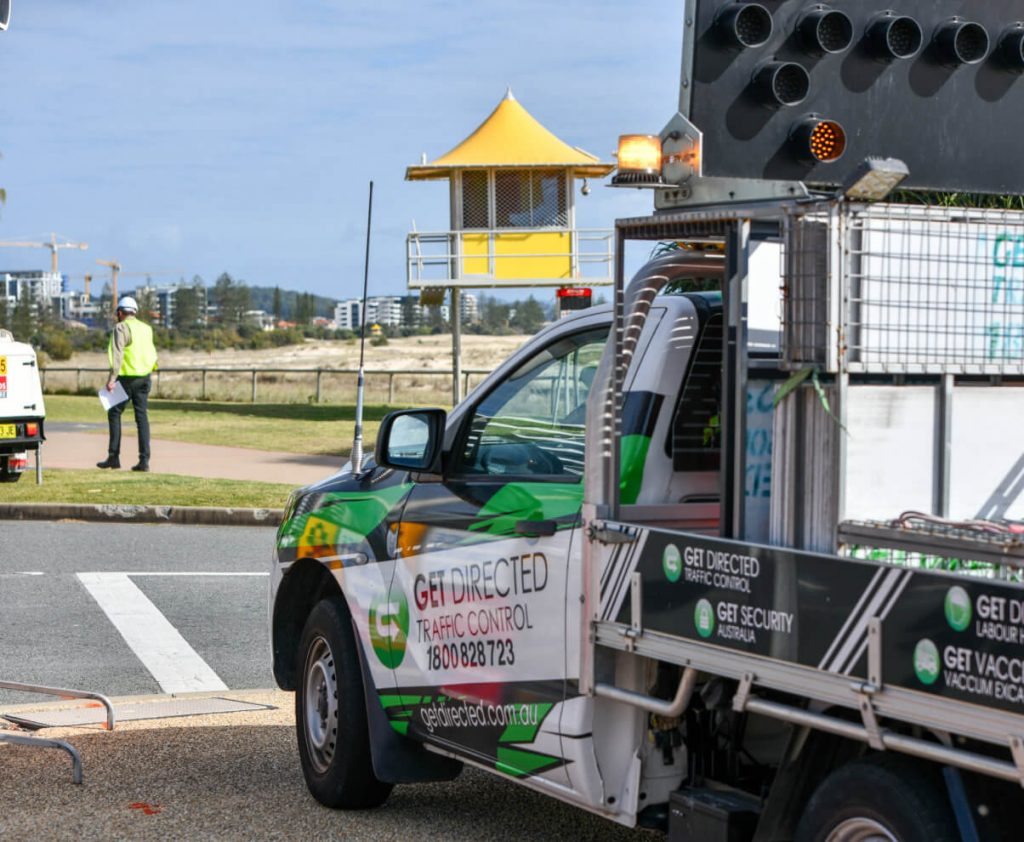
What About Slurry From Hydro Excavation?

Hydro excavation creates a mix of water and loosened soil, which is collected by the vac truck as slurry.

The amount of slurry can depend on the ground, the depth of the work and how much excavation is being completed.

That can matter for tank capacity and how the job is staged.

If you want to understand that process in more detail, our article on how hydro vacuum excavation works in Brisbane explains what happens from excavation through to collection.

How Much Material Is Too Much for One Load?

That depends on the truck and the material.

A few potholes may produce a relatively small amount of spoil, while trenching or larger clean-up work can fill the tank much faster.

You do not need to calculate an exact volume before calling us, but a rough idea helps.

Photos, dimensions or a simple description of the work area can give us enough context to start planning.

Does Disposal Affect the Quote?

It can.

The amount of material, what it contains, time on site and any disposal requirements can all affect the overall job.

That is why two vac truck jobs that sound similar at first can still end up with different costs.

We go into that in more detail in our guide to the site and job details that can change a vac truck quote in South East Queensland.

What If the Material Might Be Contaminated?

Tell us before the truck arrives.

If there is any reason to think the material may contain something unusual, that needs to be part of the conversation before the work starts.

We do not want to make assumptions about material based on how it looks.

The more accurate the information is at the start, the easier it is to work out whether the job is suitable and what needs to happen next.

Site Access Still Matters After the Material Is Identified

Knowing what the material is solves only part of the job.

We still need to know where the truck can sit, how far the hose needs to run and whether the work area is easy to reach.

A small amount of spoil behind a building can still take more planning than a larger amount sitting right beside the truck.

If access is awkward, our vac truck access and hose distance guide explains what we look at before the truck is sent out.

What Happens on a Typical Job?

The exact process changes from site to site, but it usually follows a similar flow.

  1. We confirm what the material is. We want to know what is being removed and where it came from.
  2. We look at the site. Access, truck position and hose distance all matter.
  3. The material is collected. Soil, mud, slurry or other suitable material is vacuumed into the truck.
  4. The amount is monitored. Larger jobs may need to be staged depending on the volume.
  5. The material is handled after collection. What happens next depends on the job and the material involved.

What About Different Locations?

The basic process is similar, but site conditions can vary a lot across South East Queensland and Northern NSW.

A tight commercial site in Brisbane may need more access planning than an open civil site around Logan or Ipswich.

Gold Coast jobs may involve a mix of suburban, commercial and roadside work, while projects around Tweed Heads or Northern NSW can come with their own access and travel considerations.

For location-specific service information, you can also see our Gold Coast vacuum excavation service or our existing vacuum excavation information for Ipswich.

For jobs outside those areas, our main vacuum excavation service page is the best place to start.

What Should You Tell Us Before We Remove the Material?

You do not need a long technical brief.

The useful information is usually:

  • what needs to be removed
  • where the material came from
  • roughly how much there is
  • where the site is
  • what access looks like
  • whether underground services are nearby
  • whether the work is close to traffic
  • whether there is anything unusual about the material

If you already have photos, send them through. They are especially useful when the material is sitting in a pit, behind a building or somewhere the truck cannot park directly beside.

If you are not sure what information is useful before booking, our guide to what to have ready before booking a vac truck covers the practical side of that conversation.

Vac Truck Material Handling FAQs

Does All Vac Truck Material Go to the Same Place?

No. What happens after collection depends on the material and the job requirements.

Does Wet Spoil Take Up More Tank Space?

Wet material can fill the truck quickly depending on the volume and consistency, which is why a rough estimate helps with planning.

Can a Vac Truck Collect Slurry?

Yes, suitable slurry can often be collected by vacuum truck. What created the slurry and what it contains should be discussed before the job.
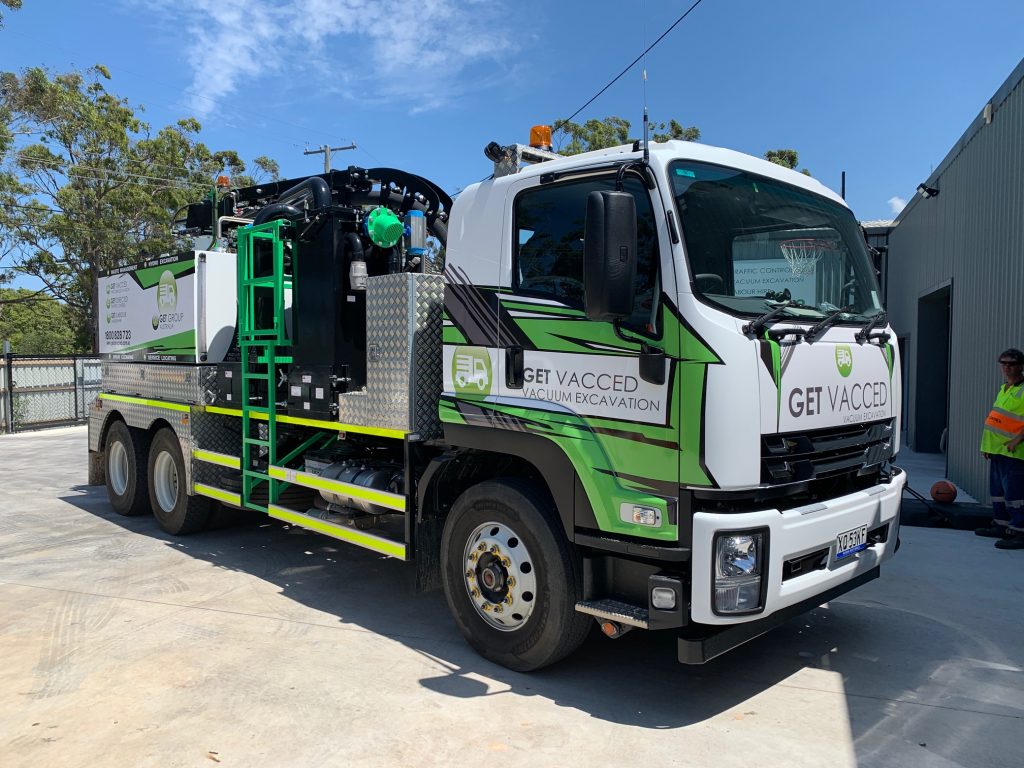
What If I Do Not Know What the Material Is?

Tell us what you do know and send photos if possible. We would rather ask a few questions before the job than guess.

Does Disposal Affect Vac Truck Pricing?

It can. Material type, volume, disposal requirements, travel and time on site can all affect the final quote.

Need Material Removed by Vac Truck?

If you have soil, mud, slurry, water or other suitable material that needs to come off site, tell us what you are dealing with and where the job is.

We work across the Gold Coast, Brisbane, North Brisbane, Ipswich, Logan, Tweed Heads and Northern NSW.

Give us the site details, material type and access information and we can talk through what the job needs.

For service enquiries, visit our vacuum excavation service page or call 1800 828 723.

Read More
Posted in Vacuum Excavation Gold Coast

Air Vacuum Excavation vs Hydro Excavation

Vacuum excavation provides a controlled way to remove soil from around underground pipes, cables and other services. Rather than relying solely on mechanical digging equipment, the process loosens the surrounding material before using vacuum suction to collect it in a debris tank.

There are two main approaches: air vacuum excavation and hydro excavation. Both use vacuum suction, but they differ in how they loosen the ground. Understanding this difference can help project managers and contractors choose an appropriate method for the site.

What Is Air Vacuum Excavation?

Air vacuum excavation uses compressed air to loosen soil. A powerful vacuum then removes the loosened material and transfers it into a debris tank.

One benefit of this method is that the excavated soil generally remains dry. Depending on its condition and the requirements of the project, this may make the material easier to reuse as backfill.

Air excavation may be considered for work involving:

  • Dry or loose soil
  • Sites where dry spoil is preferred
  • Small excavations around known underground assets
  • Projects where water use needs to be limited
  • Locations where suitable air excavation equipment is available

Its effectiveness depends on the ground conditions. Dense clay, compacted soil and some rocky materials may be more difficult to break apart using compressed air alone.

What Is Hydro Excavation?

Hydro excavation uses pressurised water to loosen soil. The resulting material is then removed through a vacuum hose and stored in the truck’s debris tank.

Water can break through compacted ground and clay effectively, making hydro excavation suitable for a broad range of civil, construction and utility projects. Because the excavated material becomes wet spoil, the project must also account for storage, transport and appropriate disposal.

Get Vacced provides vacuum excavation services using high pressure water and vacuum suction. This method can support controlled excavation around underground infrastructure when used by trained operators and planned according to site conditions.

What Is the Difference Between Air and Hydro Excavation?

The main difference is the material used to loosen the soil. Air excavation uses compressed air, while hydro excavation uses pressurised water.

Air excavation usually produces dry spoil, which may be suitable for reuse in some circumstances. Hydro excavation produces wet spoil that must be contained and managed appropriately.

Ground conditions also affect the choice. Compressed air may work well in loose or dry soil, while water can be more effective in compacted ground and clay. Site access, underground asset information, environmental requirements and disposal arrangements should also be considered before work begins.

Neither method is automatically the right choice for every excavation. The appropriate approach depends on the site, soil, assets and scope of work.

Is Vacuum Excavation Safer Than Mechanical Digging?

Get Vacced vac truck completing excavation work on a residential construction site

Vacuum excavation can reduce the risk of damaging underground services compared with using excavator buckets or other mechanical equipment immediately beside an asset. It allows soil to be removed in a more controlled manner while operators progressively expose the area.

However, vacuum excavation does not remove every risk. Accurate service plans, site preparation, appropriate exclusion zones and trained operators remain important. Existing utilities may be incorrectly documented, damaged or more fragile than expected.

For projects near roads or active traffic areas, excavation planning may also need to include appropriate traffic control services. Traffic management requirements should be assessed according to the site and the work being completed.

When Is Hydro Excavation Used?

Gold coast vac truck hire

Hydro excavation can be used for several types of work involving underground infrastructure and controlled soil removal.

Common applications include:

  • Locating and exposing underground services
  • Potholing to confirm the position of utilities
  • Excavating around pipes and cables
  • Creating narrow trenches
  • Removing soil from restricted work areas
  • Supporting maintenance and repair work
  • Cleaning pits and removing suitable debris

The suitability of hydro excavation still needs to be assessed for each site. Access for the truck, soil conditions, the location of underground assets and spoil disposal requirements can all affect how the work is planned.

How Does a Vac Truck Manage Excavated Material?

During hydro excavation, loosened soil and water are drawn through the vacuum hose into the truck’s debris tank. This helps contain material during the excavation instead of leaving loose spoil around the immediate work area.

Once the tank reaches its operating capacity, the material must be transported to an appropriate disposal location. Disposal requirements depend on the type of material collected and whether any contamination is present.

The amount of material, travel distance and disposal requirements can influence the overall time and cost of the work. These factors should be discussed when arranging a vac truck.

Is Vac Truck Hire Cost Effective?

Vac truck hire can be cost effective when a project requires controlled excavation around underground services. It may reduce the amount of manual digging required and lower the likelihood of costly asset damage.

However, it should not be described as cheaper or faster for every excavation project. The final cost can depend on:

  • Ground and soil conditions
  • The depth and size of the excavation
  • Site access
  • The location of underground services
  • The volume of material removed
  • Disposal requirements
  • Travel and operating time
  • Traffic management requirements

Providing accurate site details before the job allows the vacuum excavation provider to assess the work more effectively.

Which Vacuum Excavation Method Should You Choose?

Air vacuum excavation can be useful where dry spoil is preferred and the soil can be loosened effectively with compressed air. Hydro excavation may be more suitable where the ground is compacted or where water can expose the required area more efficiently.

Get Vacced’s published service information describes hydro excavation using high pressure water and vacuum suction. If you are considering vac truck hire on the Gold Coast, speak with the team about the site conditions, underground assets, access and required excavation before scheduling the work.

The right method should be selected according to the actual site, rather than assuming air or hydro excavation will suit every project.

Read More
Posted in Traffic Control Gold Coast, Vac Truck Hire brisbane, Vacuum Excavation Gold CoastTagged

What Happens When a Vac Truck Arrives on Site?

If you have never had a vac truck on site before, you might be wondering what actually happens once it turns up.

The short version is: we check the site, work out where the truck can sit, set up the hose and work area, then get into the excavation or material removal.

The exact job changes from site to site, but the general flow is pretty similar.

We work across the Gold Coast, Brisbane, North Brisbane, Ipswich, Logan, Tweed Heads and Northern NSW, and the biggest differences usually come down to access, ground conditions, traffic and what needs to come out of the ground.

Before the Truck Arrives

A good job usually starts before the truck is even on site.

We want to know where the work is, what needs to be done, what the access looks like and whether there are any underground services, traffic issues or other site restrictions to think about.

You do not need to send us a novel.

A few clear photos, the site address and a simple description of the job can go a long way.

If you are still getting things organised, our guide to working vac truck excavation into the project schedule covers the timing side in more detail.

The First Thing We Check Is Access

Once the truck arrives, one of the first things we look at is where it can actually go.

That sounds obvious, but it can make or break the setup.

Narrow gates, parked vehicles, soft ground, fences, buildings and other plant can all change where the truck needs to sit.

On a big open civil site, that may be easy.

On a tighter Brisbane commercial site, a suburban Gold Coast job or a site around Ipswich or Logan, we may need to think a bit harder about positioning.

If access is the awkward part of the job, our vac truck access and hose distance guide explains what matters before the hose even comes off the truck.

Then We Work Out Where the Truck Should Sit

The truck does not always need to park right beside the work area.

Sometimes it can sit further away and reach the job by hose.

That can be useful when the excavation is behind a building, inside a fenced area or somewhere the truck itself cannot easily go.

But there is a limit to how complicated you want the hose run to become.

That is why we look at the route, the distance and anything sitting between the truck and the work area before we start.

The Hose and Work Area Get Set Up

Once the truck position is sorted, the crew can set up the hose and work area.

At this point we are looking at where the excavation needs to happen, what material we are dealing with and whether there are any underground services or other site conditions that need extra attention.

If we are potholing or working around known services, the setup may be different from a simple wet-spoil or slurry removal job.
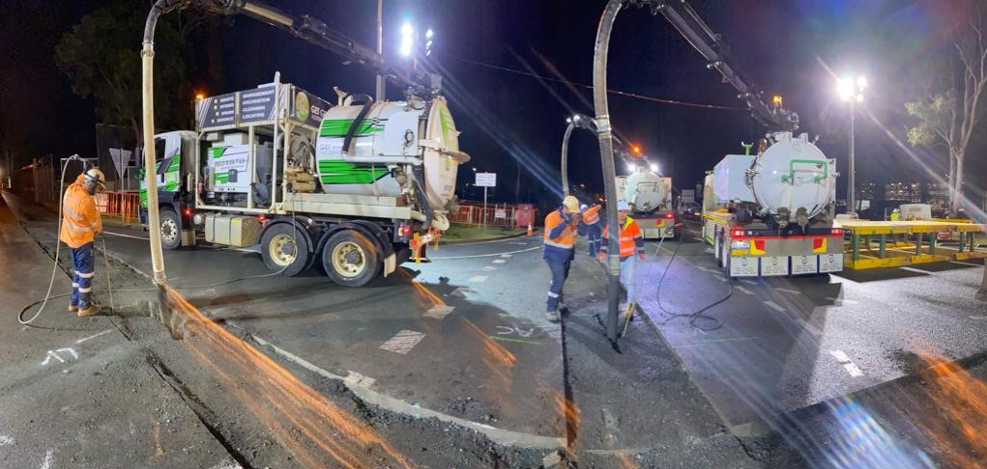
For underground-service work, our article on how non-destructive digging helps expose buried services explains that process in plain English.

Then the Actual Vac Truck Work Starts

This is the part most people picture.

Depending on the job, the crew may be excavating, potholing, removing mud or slurry, cleaning out a pit or collecting other suitable material.

Not every job needs the same approach.

If the ground needs to be loosened first, hydro excavation may be used. If the material is already loose or wet, the job may be more focused on vacuum removal.

If you want to understand what can actually go into the truck, our guide to the materials a vacuum truck can remove covers soil, mud, slurry, water and wet spoil.

What Happens if Underground Services Are Involved?

If the job is around pipes, cables or other buried infrastructure, we take a more controlled approach.

Plans and markings are useful, but the aim is often to expose the actual service so the crew can see where it sits before larger excavation continues.

That is why potholing and service exposure are common vac truck jobs.

It gives the site team a much clearer picture of what is in the ground before the next stage starts.

What Happens to the Material?

As the job continues, the removed material is collected in the truck.

That might be soil, mud, slurry, water or other suitable material depending on the work.

What happens after that depends on the material, the volume and the job requirements.

If there is anything unusual about the material, we would rather know before the tank starts filling up.

Our guide to what happens to material after a vac truck removes it goes into the handling side in more detail.

What If the Job Changes Once We Start?

It happens.

The ground may be harder than expected. The excavation may be deeper. Access may change. A service may be sitting somewhere different from where the team expected.

That does not automatically mean the job stops.

It just means we need to reassess what is happening and work out the next practical step.

We would rather deal with the site that is actually in front of us than pretend every job follows the original plan perfectly.

What If the Truck Is Working Near Traffic?

If the truck needs to sit beside a road, driveway or busy access point, the setup has to work around traffic as well as the excavation.

That can affect where the truck is positioned and how the work area is managed.

Where traffic control is needed, Get Group can coordinate traffic control alongside the vac truck work.

That is especially useful on jobs where the truck position and traffic flow need to be planned together.

How Long Does the Setup Take?

There is no fixed answer.

An open site with easy access can be straightforward.

A tighter site with a long hose run, traffic nearby or several excavation points may need more setup before the actual work starts.

That is why a little planning beforehand can save a lot of mucking around on the day.

What Should the Site Team Have Ready?

You do not need everything perfect before the truck arrives, but a few basics help:

  • clear access to the work area
  • a site contact who knows what is happening
  • service plans or markings where relevant
  • photos or access information if the site is tight
  • a clear idea of what needs to be exposed or removed
  • any known traffic or access restrictions

If you are still at the preparation stage, our guide to getting a site ready before the vac truck arrives covers the practical checks in more detail.

What Does the Job Look Like From Start to Finish?

Stage What happens
1. Arrival We check access, the work area and where the truck can sit.
2. Setup The hose, truck position and work area are prepared.
3. Excavation or removal The crew carries out the potholing, excavation or material removal.
4. Material collection The removed material is collected in the truck.
5. Wrap-up The crew finishes the required work and the next stage of the project can continue.

What About Different Service Areas?

The overall process is similar, but the site conditions can change a lot depending on where the work is.

Brisbane and North Brisbane projects may involve tighter commercial access, busy roads or active construction sites.

Gold Coast jobs can range from suburban work to larger civil and roadside projects.

Across Ipswich and Logan, we may be dealing with more open sites or larger work areas, while Tweed Heads and Northern NSW can add different travel and access considerations.

For Gold Coast projects, you can also see our Gold Coast vacuum excavation service page.

For Ipswich work, our vacuum excavation information for Ipswich gives more local context.

Once the Brisbane service landing page goes live, that will be the better destination for Brisbane-specific enquiries.

Do You Need to Know the Exact Vac Truck Setup?

No.

You do not need to call us knowing the truck size, hose setup or excavation method.

Tell us what needs to happen on site and what you know about the access, ground and material.

We can work from there.

If you are still deciding whether vacuum excavation is the right approach, our guide to when vacuum excavation makes sense for a project is a good next step.

Vac Truck On-Site FAQs

Does the Vac Truck Need to Park Beside the Work Area?

No. In some situations, the truck can sit further away and use hose to reach the job, depending on the site layout.

Do I Need to Have the Site Completely Ready?

Not necessarily, but access, the work area and any relevant service information should be sorted enough for the crew to get started.

What If Access Is Tighter Than Expected?

We will look at the available truck position and hose route and work out whether the setup can be adjusted.

Can the Crew Handle Both Excavation and Material Removal?

Depending on the job, the vac truck may be used for excavation, material removal or both.

What If the Job Changes While the Crew Is There?

Tell the crew what has changed and the job can be reassessed before work continues.

Got a Vac Truck Job Coming Up?

If you have work planned across the Gold Coast, Brisbane, North Brisbane, Ipswich, Logan, Tweed Heads or Northern NSW, tell us what needs to happen and what the site looks like.

We can talk through access, the work area, material and any other details that may affect the job.
For service enquiries, visit our vacuum excavation service page or call 1800 828 723.

Read More
Posted in Vacuum Excavation Gold CoastTagged ,

What Information Does a Vac Truck Operator Need Before a Job?

You do not need to know every technical detail before you call us about a vac truck job.
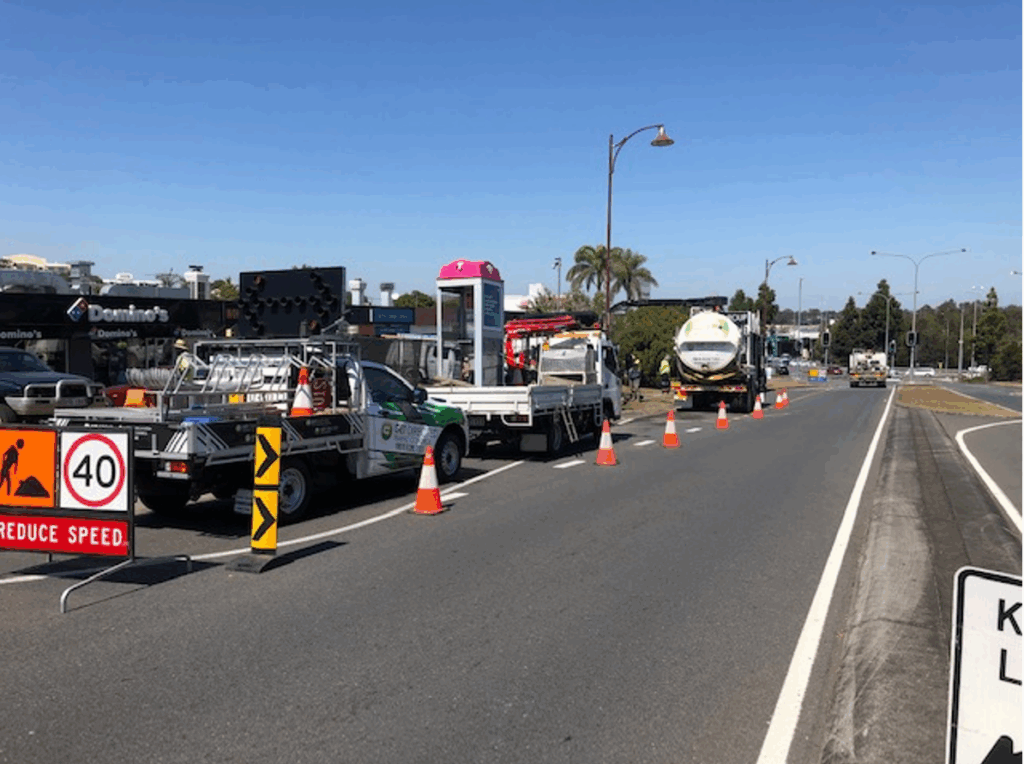
What helps most is a clear picture of what is happening on site.

Where is the job? What needs to come out? Can the truck get close? Are there underground services nearby? Is the work beside traffic?

Give us the useful stuff and we can ask the rest.

The Short Version

What to send Why it helps
Site address Helps us understand travel, access and the general job location.
What needs to be done Potholing, trenching, slurry removal and pit cleaning can all need different planning.
What material is involved Soil, mud, slurry and water do not all behave the same way.
Access photos A photo of a narrow gate can save ten minutes of trying to explain it over the phone.
Underground service information Useful when the work is around pipes, cables or other buried infrastructure.
Timing Helps us understand where the vac truck fits into the rest of the project.

Start With What You Actually Need Done

You do not need to ring up asking for a particular truck size or hose setup.

Start with the job.
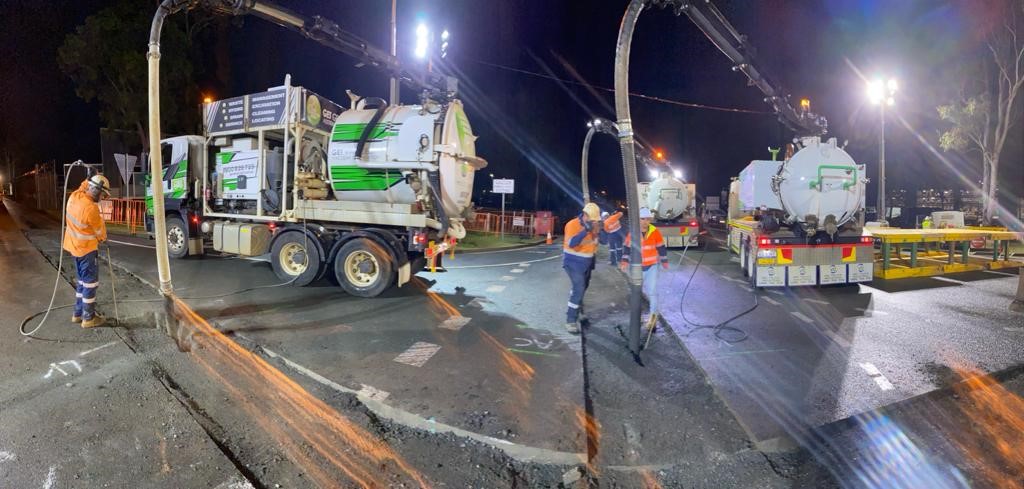
Tell us whether you need to expose a service, dig potholes, remove slurry, clean out a pit or deal with another type of material.
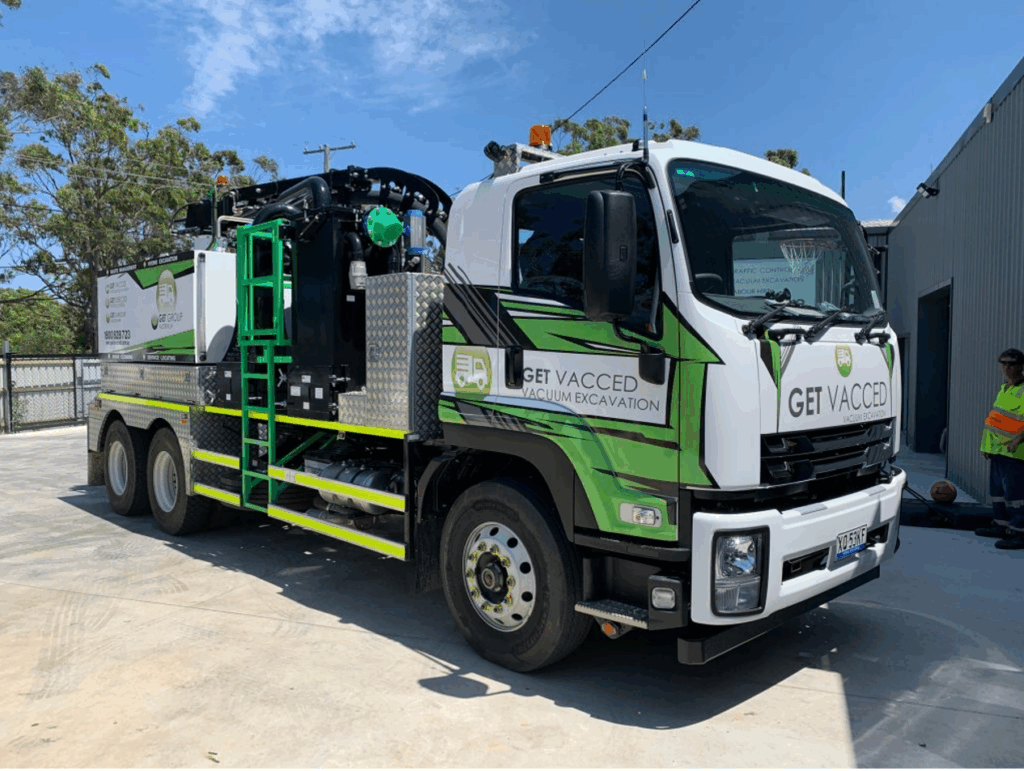
That gives us somewhere useful to start instead of guessing from the words “vac truck hire”.

If you are not sure whether vacuum excavation is even the right method, our guide to when vacuum excavation makes sense for a project can help you work that out first.

Tell Us What Needs to Come Out

The material matters.

Soil, mud, slurry, water and wet spoil can all change how a job needs to be approached.

You do not need to identify everything perfectly. A simple description is usually enough to start.

Something like “wet clay from a trench” is already more useful than “we need a vac truck”.

If you are not sure what the truck can handle, our guide to what a vacuum truck can remove and what affects the job gives a clearer breakdown.

Give Us an Idea of How Much There Is

We are not asking you to stand there with a calculator and work out an exact volume.

A rough idea is fine.

For example:

  • one small pothole
  • several potholes across the site
  • a trench roughly 10 metres long
  • a pit half full of slurry
  • a larger area of wet spoil that needs to be removed

Photos can help here too.

The amount of material can affect tank capacity, time on site and whether the job needs to be staged.

It can also affect the quote, which is why our article on what actually changes a vac truck quote in South East Queensland is worth reading if you are budgeting the work.

Access Is One of the Big Ones

A job can be simple on paper and still become awkward if the truck cannot get close.

Tell us about narrow gates, tight driveways, soft ground, fencing, buildings, parked vehicles or anything else that may affect where the truck can sit.

If the work is behind a building or inside a restricted area, give us a rough idea of how far the truck may need to stay from the job.

This is where photos are gold.

Our guide to truck access and hose distance covers the things worth checking before the crew arrives.

If Underground Services Are Involved, Tell Us Early

If there are pipes, cables or other services in the work area, let us know before the job starts.

Have any available plans, markings or site information ready as well.

The aim is not to turn the call into a technical meeting. We just want to understand what the crew is likely to be working around.

For Brisbane projects where service exposure is the main job, our article on how non-destructive digging is used around underground services explains that side in more detail.

Photos Usually Make Life Easier

You do not need professional site photography.

A few phone photos can be enough.

The most useful shots are usually:

  • the site entry
  • where the truck may be able to park
  • the actual work area
  • anything sitting between the truck and the job

If there is a narrow gate, steep driveway, retaining wall or awkward access point, show us.

It is a lot easier to work around an access issue before the truck turns up than discover it when everyone is standing there waiting.

Tell Us Where the Job Sits in the Project

Timing matters too.

Is the vac truck the first job of the day? Does potholing need to be finished before an excavator starts? Are other trades waiting on the excavation?

If the work is tied to a construction program, tell us.

That helps us understand whether there is flexibility or whether the job needs to happen in a specific window.

Our guide to when to book a vac truck around the project schedule covers that planning side in more detail.

What If the Work Is Near Traffic?

If the truck needs to sit beside a road, driveway or busy access point, that needs to be part of the conversation.

The best place for the truck may affect traffic movement, pedestrians or other vehicles entering the site.

Where traffic control is required, Get Group can also coordinate traffic control alongside the vac truck work.

A Good Job Brief vs a Vague One

Here is the difference a few useful details can make.

Vague Much more useful
“Need a vac truck tomorrow.” “Need three potholes exposed tomorrow before the civil crew starts.”
“Access is a bit tight.” “Truck can park at the front, but the work area is about 15 metres behind the building.”
“There’s mud to remove.” “Wet spoil from a trench, roughly this size, photos attached.”

That is the sort of information that helps us get to the useful questions faster.

Different Locations Can Mean Different Site Conditions

We work across the Gold Coast, Brisbane, North Brisbane, Ipswich, Logan, Tweed Heads and Northern NSW, and access can look very different from one site to the next.

A busy Brisbane commercial site may need more thought around truck positioning and traffic.

A larger civil site around Ipswich or Logan may have plenty of room but several excavation points spread across the work area.

Gold Coast projects can range from tight suburban jobs to roadside and civil work.

For Gold Coast service enquiries, our Gold Coast vacuum excavation page has the local service information.

For Ipswich jobs, you can also see our vacuum excavation information for Ipswich.

Once the Brisbane service landing page is live, that should be the main destination for Brisbane-specific commercial enquiries.

What If You Do Not Have All the Answers Yet?

That is fine.

You do not need to wait until every detail is locked in before you contact us.

Tell us what you know.

If something is still unclear, we can ask the questions that matter and work out what needs to be confirmed before the job.

Before You Call, Have These Ready if You Can

  • site address
  • what needs to be done
  • what material is involved
  • rough size or amount
  • site photos
  • access information
  • known underground services
  • preferred job date or time window
  • traffic or site restrictions

That is usually enough to have a useful first conversation.

Ready to Talk Through the Job?

You do not need to know the truck setup before you call.

Tell us what is happening on site, where the job is and what you know so far. We can work through the rest with you.

If you want to see what happens after the truck actually arrives, our guide to what to expect when a vac truck turns up on site follows the job from arrival through to wrap-up.

For service enquiries, visit our vacuum excavation service page or call 1800 828 723.

Read More
Posted in Vac Truck Hire brisbane, Vacuum Excavation Gold CoastTagged ,

How Does a Vacuum Excavation Truck Work?

A vacuum excavation truck is basically a powerful suction system on wheels, but there is a bit more going on than just “big hose, big vacuum”.

The truck has to move material from the work area, through the hose and into the tank, while the crew manages access, hose distance and whatever is happening in the ground.

You do not need to know every part of the truck to book one, but understanding the basics helps explain why some jobs are straightforward and others need a bit more planning.

The Simple Version

The job usually works like this:

  1. The work area is set up. We confirm where the excavation or material removal needs to happen.
  2. The hose is positioned. The truck may sit right beside the work or further away, depending on access.
  3. The material is loosened if needed. On hydro excavation jobs, water can be used to break up the ground first.
  4. The material is vacuumed through the hose. Soil, mud, slurry or other suitable material moves from the work area into the truck.
  5. The material is collected in the tank. It stays there until the load is ready to be handled after the job.

That is the basic flow from ground to truck.

What Are the Main Parts of a Vacuum Excavation Truck?

Part What it does Why it matters on site
Vacuum system Creates the suction that moves material through the hose. The material and hose setup can affect how the system performs.
Vacuum hose Carries material from the work area to the truck. Long or awkward hose runs need more planning.
Debris tank Holds the material after it is collected. Tank capacity matters when there is a lot of spoil, mud or slurry to remove.
Water system Used on hydro excavation jobs to loosen the ground. Useful where soil needs to be broken up before it can be vacuumed out.
Boom or hose support Helps position and manage the hose around the work area. Can make a difference on awkward or restricted sites.

How Does the Material Get From the Ground Into the Truck?

The vacuum system creates suction through the hose.

Once the material is loose enough to be collected, it is pulled through the hose and carried back to the truck.

The material then drops into the tank, where it is stored until the job is complete or the truck needs to be emptied.

That sounds simple, but the material itself can change the job quite a lot.

Loose soil behaves differently from mud or slurry, and a long hose run can be more demanding than a short one.

If you are not sure what kind of material a vac truck can handle, our guide to what a vacuum truck can remove and what affects the job is a useful next read.

Where Does Water Fit In?

Water is not used on every vacuum truck job.

On hydro excavation jobs, pressurised water is used to loosen the ground before the material is vacuumed away.

This can be useful when the soil is compacted or when the crew needs a more controlled excavation around underground services.

If you want the full process, our guide to how hydro vacuum excavation works in Brisbane breaks down that method in more detail.

What Changes From One Job to the Next?

The truck may be the same, but the setup can be very different.

A small potholing job with easy access is not the same as a long hose run behind a building or a larger slurry-removal job.

The main things we look at are:

  • what material is being removed
  • how much material there is
  • where the truck can sit
  • how far the hose needs to run
  • whether underground services are involved
  • whether traffic or site access needs to be managed

That is why the truck itself is only part of the picture.

Why Does Hose Distance Matter?

The hose is what connects the truck to the actual work area.

If the truck can park close to the excavation, the setup may be simple.

If the work is behind a building, inside a fenced area or further down the site, the hose may need to travel a lot further.

That can change how the job is planned.

Our vac truck access and hose distance guide explains what we look at when the truck cannot sit right beside the work.

What Happens Inside the Tank?

The tank is where the collected material ends up.

Depending on the job, that may be soil, mud, slurry, water or another suitable material.

Once the material is in the truck, the next step depends on what has been collected and how much there is.

If you want to understand that part of the process, our article on what happens to material after a vac truck removes it covers the handling side in more detail.

How Does a Vacuum Excavation Truck Work Around Underground Services?

When pipes, cables or other buried services are nearby, the aim is usually to expose the area in a more controlled way.

That can mean using the vac truck for potholing or service exposure before larger excavation continues.

The crew still needs proper plans, markings and site information. The truck is not a replacement for that.

For Brisbane work around buried services, our guide to using non-destructive digging to expose underground services goes deeper into that process.

Does the Truck Have to Sit Right Beside the Job?

No.

In some situations, the truck can stay further away and work through hose.

That can be useful on tighter sites or when the truck cannot safely get into the work area.

But the route still needs to be practical.

If the hose has to run around buildings, fencing or other obstacles, we want to know that before the truck arrives.

What Does a Typical Job Look Like From the Truck’s Point of View?

Stage What the truck is doing
Positioning The truck is placed where it can safely reach the work area.
Setup The hose and work area are prepared.
Excavation or collection Material is loosened if needed and pulled through the hose.
Storage Collected material is held in the tank.
Wrap-up The crew finishes the required work and the material is handled after collection.

What About Different Locations?

We work across the Gold Coast, Brisbane, North Brisbane, Ipswich, Logan, Tweed Heads and Northern NSW, and the truck setup can change a lot depending on the site.

A tight Brisbane commercial site may need a longer hose run or more thought around traffic.

A Gold Coast suburban job may have limited driveway access, while a larger civil site around Ipswich or Logan may have more room but more material to move.

For Gold Coast service information, see our Gold Coast vacuum excavation page.

For Ipswich work, our vacuum excavation information for Ipswich gives more local context.

Do You Need to Know How the Truck Works Before You Book?

No.

You do not need to know the suction system, tank setup or hose arrangement before you call.

Tell us what needs to be done, what the site looks like and what material is involved.

We can work out the setup from there.

If you want to know what information helps us most before the job, our guide to what to tell a vac truck operator before the job is the practical checklist.

Got a Vac Truck Job Coming Up?

If you have work planned across the Gold Coast, Brisbane, North Brisbane, Ipswich, Logan, Tweed Heads or Northern NSW, tell us what needs to happen and what the site looks like.

We can talk through access, material, excavation requirements and what kind of setup is practical.

For service enquiries, visit our vacuum excavation service page or call 1800 828 723.

Read More
Posted in Vac Truck Hire brisbane, Vacuum Excavation Gold CoastTagged ,

Wet vs Dry Vac Trucks: What’s the Difference?

Wet and dry vac trucks are built for different kinds of material, so the right choice depends on what is actually on site.

Wet material such as mud, slurry or water behaves very differently from loose, dry material, and that can change how the truck is set up, how quickly the tank fills and what happens after the material is collected.

You do not need to know which truck type to ask for before you call us. Tell us what you are dealing with, where the job is and what the access looks like, and we can work from there.

Wet vs Dry Vac Trucks at a Glance

Truck type Common material What usually matters most
Wet vac truck Mud, slurry, water and wet spoil Material volume, tank capacity, handling and disposal
Dry vac truck Suitable loose, dry material and debris Material type, access, hose route and dust or debris conditions

What Is a Wet Vac Truck?

A wet vac truck is used where the material being removed contains a lot of moisture.

That may include mud, slurry, water or wet spoil from excavation or clean-up work.

For these jobs, the big questions are usually how much material is there, how wet it is and where it has come from.

That information helps us understand how quickly the tank may fill and how the job needs to be planned.

If you are dealing with slurry or wet spoil and want a broader idea of what can be collected, our guide to what a vacuum truck can remove and what affects the job is a good next step.

What Is a Dry Vac Truck?

A dry vac truck is used for suitable loose material that does not rely on water as part of the removal process.

That can include certain dry soils, loose debris or material that is already broken up and ready to be collected.

The exact setup still depends on the job.

Access, hose distance, the amount of material and what is mixed through it can all change how practical the work is.

So Which One Is Better?

Neither is automatically better.

A wet vac truck may make more sense if the material is already muddy, wet or slurry-like.

A dry vac setup may make more sense where the material is loose and dry.

The important part is matching the equipment to the job instead of trying to make one setup suit everything.

What If the Ground Needs to Be Loosened First?

This is where hydro excavation can come into the picture.

Hydro excavation uses water to loosen the ground before the material is vacuumed away.

That means the material being collected becomes wet and is usually handled as slurry.

If you want to see how that process works from start to finish, our guide to how hydro vacuum excavation works in Brisbane breaks it down step by step.

Material Type Is Only Part of the Decision

Even if we know whether the material is wet or dry, we still need to look at the site.

A straightforward job with the truck parked right beside the work area is very different from one where the hose needs to run around a building or through a narrow access point.

That is why we also look at truck position, hose distance and ground conditions before deciding how the job should be set up.

Our vac truck access and hose distance guide covers the practical site issues that can change the setup.

How Much Material Is There?

Volume matters for both wet and dry jobs.

A small amount of material in one spot is one thing. A long trench, large pit or several work areas can be a very different job.

Wet material can also fill tank capacity quickly, depending on how much water is mixed through it.

You do not need to give us an exact figure, but a rough idea helps us plan.

What Happens After the Material Is Collected?

That depends on what has gone into the truck.

Soil, slurry, mud and other material may need different handling after collection, and anything unusual should be raised before the job starts.

If you are unsure what happens after removal, our article on what happens to material after a vac truck removes it covers that part of the job in more detail.

Which Truck Would Suit These Jobs?

Mud or Wet Spoil in a Pit

A wet vac setup may be the more obvious fit because the material already contains a lot of moisture.

We would still want to know the amount, access and what the material contains before planning the work.

Loose Dry Material on an Open Site

A dry vac setup may be suitable where the material is loose and does not need water to be introduced first.

Again, the material itself needs to be appropriate for the equipment being used.

Ground That Needs to Be Excavated Around Services

The decision may be less about wet versus dry and more about the excavation method.

Where hydro excavation is used, water helps loosen the ground before the material is removed by vacuum.

A Tight Site With Limited Truck Access

The truck type still matters, but access may become the bigger issue.

We need to know where the truck can sit and how the hose will reach the work area.

Do You Need to Choose the Truck Yourself?

No.

You do not need to call us saying you need a wet vac or dry vac unless you already know exactly what the job requires.

Tell us what needs to be removed, what it looks like, where the site is and what access is available.

That gives us a much better starting point.

If you want to understand what else affects truck selection, our guide to how the job and site affect the vac truck setup explains those decisions in more detail.

What About Cost?

Wet versus dry is only one part of the quote.

Travel, site access, time on site, disposal, material volume and the amount of work involved can all affect the final price.

If you are budgeting a job, our guide to the details that can change a vac truck quote in SEQ gives a better picture of what actually matters.

What About Different Locations?

We work across the Gold Coast, Brisbane, North Brisbane, Ipswich, Logan, Tweed Heads and Northern NSW, and the site conditions can vary a lot between locations.

A tight commercial site in Brisbane may need more planning around truck position and hose distance.

A larger civil job around Ipswich or Logan may have easier access but more material to remove.

Gold Coast work can range from suburban sites to roadside and civil projects where access and traffic both need to be considered.

For Gold Coast enquiries, our Gold Coast vacuum excavation service page has the local service details.

For Ipswich work, you can also see our vacuum excavation information for Ipswich.

What Should You Tell Us Before the Job?

You do not need to know whether the job needs a wet or dry vac truck.

What helps is:

  • what material needs to be removed
  • whether it is wet, dry or mixed
  • roughly how much there is
  • where the site is
  • what access looks like
  • whether underground services are involved
  • whether the work is close to traffic

If you are not sure what information is worth sending, our guide to what to tell a vac truck operator before the job gives you the practical checklist.

Wet vs Dry Vac Truck FAQs

Can a Wet Vac Truck Remove Slurry?

Suitable slurry can often be handled by wet vacuum equipment, depending on what it contains and the job conditions.

Can a Dry Vac Truck Remove Soil?

Some suitable loose, dry material may be handled by dry vacuum equipment, but the exact setup depends on the material and the site.

Is Hydro Excavation a Wet Vac Job?

Hydro excavation creates wet material because water is used to loosen the ground before the material is vacuumed away.

Do I Need to Know Which Type of Vac Truck to Book?

No. Tell us what is happening on site and we can work through what setup makes sense.

Not Sure Which Setup Your Job Needs?

Tell us what needs to come out, whether the material is wet or dry and what the site looks like.

We can ask the right questions and work out what sort of setup is practical for the job.

For service enquiries, visit our vacuum excavation service page or call 1800 828 723.

Read More
Posted in Vac Truck Hire brisbane, Vacuum Excavation Gold CoastTagged , , , , , , , , ,

What Should You Look for in a Vacuum Excavation Truck?

Not every vacuum excavation truck is the right fit for every job.

A bigger truck does not automatically mean a better result, and the most powerful setup on paper may still be the wrong choice if access is tight, the hose needs to run a long way or the material is completely different from what the truck is set up to handle.

When we look at a job, we start with the site and the work first. Then we think about the truck.

What Actually Matters When Comparing Vac Truck Setups?

What to check Why it matters
Tank capacity Larger jobs can produce more material and may need more capacity or disposal planning.
Hose reach The truck may not be able to sit right beside the work area.
Material type Soil, mud, slurry, water and dry material can all need a different approach.
Excavation method Some jobs may suit hydro excavation, while others may only need vacuum removal.
Site access A truck that suits the job still has to physically fit the site.
Traffic and work area Truck position may affect roads, driveways, pedestrians or other trades.

Start With the Job, Not the Truck

The first question should not be “what size vac truck do I need?”

It should be “what are we actually trying to do?”

Are you exposing a service, digging potholes, removing slurry, cleaning out a pit or working along a trench?

That gives us a much better starting point than picking a truck based on size alone.

If you are still deciding whether vacuum excavation is the right method in the first place, our guide to when vacuum excavation makes sense for a project is worth reading first.

How Much Material Will the Job Produce?

Tank capacity matters more as the volume goes up.

A few potholes may create a relatively small amount of spoil, while a longer trench or slurry-removal job can fill the tank much faster.

That does not mean you need to know the exact volume before calling us.

A rough estimate, dimensions or photos can still help us work out whether the job needs more capacity, more time or a different plan for handling the material.

If you are unsure what kind of material can actually be collected, our guide to what a vacuum truck can remove covers the common material types in more detail.

How Close Can the Truck Get to the Work?

This is one of the most practical questions on any job.

A truck may be ideal for the material but still be awkward to use if it cannot get close enough to the work area.

That is where hose reach becomes important.

If the excavation is behind a building, inside a fenced area or further down the site, the truck may need to sit further away and work through a longer hose run.

Our vac truck access and hose distance guide explains the site details that can change the setup.

What Material Are You Dealing With?

The material can influence what sort of truck or setup makes sense.

Wet spoil and slurry behave very differently from loose, dry material.

That is why we want to know whether the job involves soil, mud, slurry, water or something else before we start talking equipment.

If you are comparing wet and dry setups, our article on the difference between wet and dry vac trucks is the better place to dig into that question.

Does the Ground Need to Be Loosened First?

Some jobs are mainly about vacuum removal. Others need excavation as well.

On hydro excavation jobs, water is used to loosen the ground before the material is vacuumed away.

That can be useful where the soil is compacted or the crew needs a more controlled excavation around underground services.

Our guide to how hydro vacuum excavation works in Brisbane explains how that process fits together.

Are Underground Services Part of the Job?

If pipes, cables or other buried services are nearby, the setup needs to reflect that.

The job may involve potholing or exposing a service before larger excavation continues.

In that situation, the goal is usually not to move a huge amount of material. It is to expose the area in a more controlled way.

For Brisbane projects, our article on using non-destructive digging around underground services covers that type of work in more detail.

Does Bigger Always Mean Better?

No.

A larger truck may give you more capacity, but that only helps if the truck can actually get into position and the job needs that extra capacity.

On a tight site, a smaller or different setup may make more sense than sending the biggest unit available.

That is why we look at the whole job rather than treating truck size as the main decision.

What Should the Provider Be Able to Explain?

If a provider recommends a particular setup, there should be a reason behind it.

They should be able to explain why the truck suits the material, how they plan to reach the work area and what they expect to happen with the collected material.

You do not need a technical lecture.

You just want a clear answer that makes sense for the job in front of you.

How Does Pricing Fit Into the Decision?

The cheapest truck on paper is not always the cheapest job overall.

Travel, time on site, disposal, access and material volume can all change the final cost.

A setup that is better matched to the job may avoid extra time or unnecessary complications.

If you are comparing options, our guide to the details that can change a vac truck quote in SEQ gives a better idea of what actually affects pricing.

What About Different Locations?

We work across the Gold Coast, Brisbane, North Brisbane, Ipswich, Logan, Tweed Heads and Northern NSW, and the best setup can change a lot depending on the site.

A tight commercial site in Brisbane may need more thought around truck position and hose distance.

A Gold Coast job may involve suburban access, roadside work or larger civil sites.

Ipswich and Logan projects may have more open access but larger excavation areas or more material to move.

For Gold Coast service information, see our Gold Coast vacuum excavation service page.

For Ipswich jobs, our vacuum excavation information for Ipswich has more local context.

What Should You Tell Us Before We Recommend a Setup?

You do not need to know which truck to ask for.

What helps us is:

  • what the job involves
  • what material needs to be removed
  • roughly how much material there is
  • where the truck can sit
  • how far the hose may need to run
  • whether underground services are involved
  • whether the work is close to traffic

If you are not sure what to send through, our guide to what to tell a vac truck operator before the job gives you the practical version.

Not Sure Which Vac Truck Setup Makes Sense?

That is fine.

Tell us what needs to happen on site, what the access looks like and what material is involved.

We can talk through the job and work out what kind of setup is practical.

For service enquiries, visit our vacuum excavation service page or call 1800 828 723.

Read More
Posted in Traffic Control Gold Coast

TRAFFIC CONTROL JOBS GOLD COAST — JOIN THE GET DIRECTED TEAM

Want to Work Outdoors and Make a Difference?

If you’re searching for traffic control jobs Gold Coast, Get Directed offers an excellent opportunity to start a stable, meaningful career. Whether you’re entering the workforce or looking for a fresh start, we’re hiring reliable, safety-focused people for entry-level Traffic Controller roles across Queensland.

This is your chance to join a team that keeps communities safe while providing real pathways for growth. In addition, you’ll gain hands-on experience, support from supervisors, and industry-recognised training as you progress.


Applicants exploring traffic control jobs Gold Coast with Get Directed team members on site.

Join a team that takes pride in safety, teamwork, and community.


What You’ll Do As A Traffic Controller

As a Traffic Controller, you’ll be the safety presence at live worksites — managing stop/slow flow, guiding drivers through temporary traffic changes, and supporting construction and maintenance crews. You’ll work outdoors, stay active, and help ensure safe conditions for workers and road users.

Furthermore, no two days are the same. You’ll work at different sites, meet new people, and gain valuable experience that can lead to higher-level qualifications.

‎‎

What You’ll Need to Get Started

To apply for traffic control jobs Gold Coast, you’ll need:

  • Traffic Controller Category 1 (TC1) or higher qualification (TC2, etc)

  • White Card (General Construction Induction)

  • PPE and reliable transport (PPE can be provided by us)

  • A strong work ethic and commitment to safety

If you’re not certified yet, we can point you toward approved Queensland training providers who offer flexible short courses.

For more detail on traffic control training requirements, visit:
https://www.tmr.qld.gov.au/


Room to Grow — When You’re Ready

Starting as a Traffic Controller is only the beginning. When you’re ready, you can build a professional career in the industry by progressing into:

  • Traffic Management Implementer (TMI) — setting up and monitoring traffic systems

  • Traffic Management Designer (TMD) — preparing Traffic Guidance Schemes and traffic management plans

  • Supervisory and coordination roles across major traffic projects

You’ll work with experienced team leaders in a supportive, safety-first environment that encourages growth.

To explore more about our traffic control services and our company, visit:
https://get-directed.com.au/traffic-control-services/


Apply Today

Ready to take the first step toward a rewarding traffic control career?
Apply for traffic control jobs Gold Coast with a trusted, professional team.

Call 1800 828 723
Or visit get-directed.com.au to apply for work on the Gold Coast, Brisbane, and beyond.

Read More
Posted in Traffic Control Gold Coast

KEEPING RURAL ROADS SAFE — EXPERT RURAL TRAFFIC CONTROL IN QUEENSLAND

Safety First on Every Queensland Road

When it comes to rural traffic control in Queensland, safety must always come first. Regional and low-volume roads may seem quiet, but changing conditions, higher speeds, and limited visibility can quickly create hazards. The image below shows one of Get Directed’s rural traffic control crews setting up a compliant lane closure with reduced speeds and clear, high-visibility signage.

Every sign, every cone, and every signal is placed with purpose. At Get Directed, we ensure that both workers and road users remain safe — even on isolated stretches where risks can increase without professional planning.


Get Directed crew delivering rural traffic control Queensland with a compliant lane closure setup.

Get Directed crew setting up a compliant lane closure on a low-volume rural road.


The Importance of Professional Traffic Management

Effective rural traffic control is more than placing signs — it’s about creating a predictable, safe traffic flow that reduces confusion and prevents incidents. To achieve this, our team establishes:

  • Advance warning signs to alert approaching vehicles

  • Reduced speed zones to maintain safe road conditions

  • Portable traffic lights for safe alternating-lane management

In addition, every setup follows the Queensland Department of Transport and Main Roads (TMR) safety requirements. This ensures full compliance and protects both workers and the public.

For reference, you can read more about TMR standards here:
https://www.tmr.qld.gov.au/

‎

Minimising Disruption, Maximising Safety 

Whether your project involves resealing, vegetation clearing, inspections, or utility work, Get Directed’s crews work efficiently to minimise delays. Furthermore, we adapt each configuration based on:

  • Road category

  • Traffic volume

  • Speed environment

  • Visibility and weather conditions

  • Local community access needs

As a result, regional residents experience smoother, safer travel while essential works continue without unnecessary delays.

‎

Regional Reliability, Local Experience

Get Directed proudly provides rural traffic control Queensland-wide, supporting councils, contractors, and maintenance teams across the Gold Coast, Logan, Brisbane, and remote regional areas. Our experience with diverse terrain and varying road conditions allows us to deliver solutions that match the unique challenges of rural environments.

For more information about our wider traffic control services, visit:
https://get-directed.com.au/traffic-control-services/

‎

Contact Get Directed

Need reliable, compliant rural traffic control in Queensland?
Our team is ready to help you plan a safe, efficient worksite.

Call 1800 828 723
Or visit get-directed.com.au to organise a compliant traffic plan today.

Read More
Posted in Traffic Control Gold Coast

KEEPING QUEENSLAND ROADS SAFE — PROFESSIONAL TRAFFIC CONTROL IN QUEENSLAND

Traffic Control You Can Rely On

Every day across Queensland, construction teams, maintenance crews, and local councils depend on reliable traffic control Queensland services to keep worksites safe. The image below shows Get Directed’s team managing a controlled stop on a regional road where essential inspections and roadworks are in progress.

Our role is simple: protect workers and road users through safe, well-planned traffic management that meets Queensland Department of Transport and Main Roads (TMR) requirements.


Get Directed providing traffic control Queensland with a temporary lane closure on a regional road.

Get Directed team safely managing a temporary lane closure on a Queensland regional road.


Safety Is at the Core of What We Do

When drivers see the “STOP HERE ON RED SIGNAL” sign, it’s a clear reminder that safety must always come first. At Get Directed, we design every traffic control setup to:

  • Maintain steady and predictable traffic flow

  • Keep workers safe in live traffic conditions

  • Reduce confusion for drivers

  • Ensure compliance with TMR-approved plans

In addition, even minor works often require careful planning. That’s why short-term or single-lane closures rely on accurate timing, communication, and supervision — all handled by our experienced traffic control team.

‎

What Professional Traffic Management Looks Like

In the image, our certified Traffic Controller oversees an automated traffic signal system — part of a temporary lane control setup designed to let essential work proceed without shutting down the entire road. Projects such as pothole repairs, line marking, vegetation management, and utility maintenance all rely on this system.

Furthermore, every setup is risk-assessed, documented, and continuously monitored to maintain compliance.

For details on Queensland roadwork requirements, visit TMR:
https://www.tmr.qld.gov.au

‎

Trusted Across Queensland

From the Gold Coast to Brisbane, Logan, Toowoomba, and surrounding regions, Get Directed partners with local councils, contractors, and private organisations to deliver reliable, safe, and compliant traffic control Queensland services.

Our team is known for professionalism, clear communication, and fast setup/pack-down times that reduce delays for the public.

To explore more of our services, visit:
https://get-directed.com.au/traffic-control-services/

‎

Worksite Safety Starts with Planning

We believe effective traffic control is more than signs and cones — it’s about understanding traffic behaviour. Before any equipment is deployed, our planners assess:

  • Traffic speed and volume

  • Entry and exit points

  • Visibility and line of sight

  • Pedestrian and cyclist access

As a result, every worksite operates safely, smoothly, and in full compliance with Queensland standards.

‎

Get Traffic Management Right the First Time

If your next project involves working near live traffic, make sure your site is managed by trained professionals who know Queensland roads inside out.

Call Get Directed today on 1800 828 723
Or visit get-directed.com.au to request a traffic control quote or management plan.

Read More
Posted in Traffic Control Gold Coast

MANAGING LIVE TRAFFIC WITH PRECISION — TRAFFIC MANAGEMENT GOLD COAST

Keeping Roads Safe During Live Traffic Operations

Live lane closures and roadworks across the Gold Coast require expert planning, quick decisions, and experienced personnel. That’s why crews depend on reliable traffic management Gold Coast services to keep workers and road users safe. Managing these environments successfully requires much more than cones — it takes trained professionals and clear communication.

At Get Directed, we specialise in traffic management for both short-term and long-term projects. Our goal is to ensure safety, minimise delays, and maintain smooth traffic flow during essential works.

Get Directed performing traffic management Gold Coast with an arrow board and reduced speed zone.

Lane closure setup with Get Directed’s arrow board and 40 km/h speed zone in place.


The Challenges of Live Traffic Management

Live road environments can change rapidly. Traffic volumes, driver behaviour, and weather conditions all influence safety — which means preparation and communication are critical.

Our certified controllers are trained to:

  • Implement lane closures and reduced speed zones

  • Operate portable traffic signals and arrow boards

  • Manage multi-lane diversions and temporary barriers

  • Coordinate with contractors and local authorities

Furthermore, by following the Queensland Manual of Uniform Traffic Control Devices (MUTCD), we ensure each setup is safe, compliant, and effective.

For more information on MUTCD standards, visit:
https://www.tmr.qld.gov.au


Safety First – Always

Safety drives everything we do. Each worksite undergoes a detailed risk assessment to protect motorists, pedestrians, and workers. We use high-visibility signs, barriers, lighting, and traffic controllers to clearly communicate changes — even during night works or poor conditions.

In addition, our supervisors remain on-site or on-call to monitor conditions and adjust the setup as needed. As a result, traffic flows smoothly and safely from start to finish.


Reliable Support for Councils and Contractors

From utility upgrades to major road projects, Get Directed provides end-to-end traffic management Gold Coast solutions for both public and private clients. We understand that timeframes are tight and conditions can change quickly — which is why our team handles permits, TGS design, setup, monitoring, and pack-down.

We’ve supported numerous local projects across Brisbane, Northern NSW, and the entire Gold Coast region, helping keep Queensland’s transport network safe and efficient.

To explore more of our traffic management services, visit:
https://get-directed.com.au/traffic-control-services/


Partner With Get Directed

Partnering with Get Directed means choosing a team committed to safety, precision, and professionalism. Whether your project requires a simple lane closure or a complex diversion, our traffic management specialists ensure the job is completed safely and efficiently.

Call us today on 1800 828 723
Or visit get-directed.com.au to learn how we can support your next traffic management Gold Coast project.

Read More
Posted in Traffic Control Gold Coast

TRAFFIC CONTROL GOLD COAST — SAFE, COMPLIANT WORKSITE MANAGEMENT BY GET DIRECTED

Construction Traffic Management on the Gold Coast

When it comes to traffic control Gold Coast services, safety and compliance are essential. Construction sites across the region rely on trained professionals to manage vehicles, pedestrians, deliveries, and worksite access. Without proper traffic control, these areas can quickly become hazardous and inefficient.

At Get Directed, we specialise in traffic control and worksite coordination for builders, contractors, and developers throughout South East Queensland. Our team ensures every site runs safely, smoothly, and in compliance with Queensland regulations.

Get Directed providing traffic control Gold Coast with a residential construction lane closure.

Get Directed’s crew managing a residential construction work zone.


Why Traffic Control Matters on Construction Sites

Construction sites often sit on narrow roads, residential streets, or busy public routes. As a result, managing these locations requires skilled planning and clear communication. Our trained controllers manage:

  • Lane and footpath closures

  • Temporary worksite access for crane lifts and deliveries

  • Pedestrian detours and controlled access zones

  • Compliance with local council and Queensland TMR requirements

In addition, these services help prevent delays, reduce public risk, and maintain safe conditions for workers and road users.


The Get Directed Difference

What sets Get Directed apart is our commitment to accuracy, compliance, and clear communication. Every project begins with a detailed risk assessment and a customised Traffic Guidance Scheme (TGS) tailored to the site.

Our fleet includes:

  • Arrow boards

  • High-visibility signage

  • Certified cones and barriers

  • Fully equipped traffic control vehicles

Furthermore, our team handles all permits, equipment, and setup so your construction crew can stay focused on building.

For information about TMR guidelines, visit:
https://www.tmr.qld.gov.au


Supporting the Gold Coast’s Growth

As the Gold Coast continues to expand with new developments, the demand for safe and reliable traffic control Gold Coast services grows as well. Get Directed proudly supports builders, civil contractors, and local councils with professional traffic control that minimises delays and keeps worksites compliant.

To explore more of our traffic management services, visit:
https://get-directed.com.au/traffic-control-services/


Work With a Trusted Local Team

When safety and compliance matter most, rely on a team that understands Gold Coast conditions and Queensland regulations.

Call Get Directed today on 1800 828 723
Or visit get-directed.com.au to learn more about our Construction and Worksite Traffic Management services.

Read More
Posted in Vac Truck Hire brisbaneTagged ,

What Can a Vacuum Truck Remove?

If you have soil, mud, slurry, water or other loose material that needs to come out of a work area, a vacuum truck may be able to handle it.

But the answer is not always as simple as “yes” or “no”. What the truck can remove depends on the material itself, how much of it there is, where it is sitting and how easily we can get the truck and hose into position.

When we look at a job, we usually start with the same basic questions: what are we removing, where is it, how much is there and what does the site look like?

So, What Can a Vacuum Truck Remove?

Vacuum trucks can be used to remove a range of loose and wet materials from construction, civil and maintenance sites.

Common examples include soil, mud, slurry, water, wet spoil and material collected from pits or drains.

The important part is understanding what the material actually is before the job starts. Two materials can look similar on site but may need to be handled differently.

If you are still getting familiar with the equipment, our guide to common vac truck uses across South East Queensland gives a broader look at the types of work vacuum trucks are used for.

Soil and Loose Ground

Vacuum trucks are commonly used where soil needs to be removed in a controlled way.

This can include potholing, small excavations and work around existing underground services.

The condition of the ground matters. Loose soil behaves differently from compacted ground or heavy clay, so it helps if you can tell us what the site is like before the crew arrives.

For work near pipes, cables or other buried infrastructure, see our guide to non-destructive digging around underground services.

Mud and Wet Spoil

Vac trucks can also be useful when the material is already wet and difficult to move with ordinary equipment.

If someone calls us about wet spoil, one of the first things we want to know is roughly how much material is there and where it has come from.

That gives us a better idea of what the job involves and how the material may need to be handled after it is collected.

You do not need to know the exact volume. Even a rough estimate can help us plan the work.

Slurry

Slurry is another material that can often be removed with a vacuum truck, depending on what it contains and the site conditions.

This can come from excavation work, wet ground conditions or other site activities where soil and water have mixed together.

If the slurry has come from a specific process or contains anything unusual, tell us before the job. That information matters when we are planning how the material will be collected and handled.

Slurry can also be created during hydro excavation. If you want to understand that process in more detail, read our guide to how hydro vacuum excavation works.

Water and Other Suitable Liquid Material

Vacuum trucks may also be used to remove water and other suitable liquid material from work areas, pits or similar locations.

The key word here is suitable.

If there is any chance the liquid contains chemicals, contaminants or anything unusual, that needs to be discussed before the truck arrives.

We would rather know about that upfront than discover it once the job is already underway.

Material From Pits and Drains

Pits and drains can collect a mix of sediment, mud, water and loose debris over time.

Vacuum trucks can be useful for removing that built-up material where the job and access are suitable.

Before the work starts, we want to know what the pit or drain looks like, how deep it is and how close the truck can get to the work area.

That is especially important when the pit is behind a building, inside a fenced area or beside a live traffic zone.

Can a Vacuum Truck Remove Everything?

No.

A vacuum truck can handle a wide range of suitable loose and wet materials, but that does not mean every material should go into the tank.

If the material is unusual, contaminated, hazardous or you are simply not sure what it is, tell us before the job is booked.

That gives us a chance to work out whether the job is suitable and whether any extra handling requirements need to be considered.

The Material Is Only Part of the Job

Even when the material itself is straightforward, the site can change how the job needs to be set up.

A truck may be able to remove the material, but we still need to think about where the truck can sit, how far the hose needs to run and whether the crew has enough room to work.

That is why access is one of the first things we ask about on tighter sites.

If access is likely to be an issue, our guide to preparing a site before vac truck work covers truck positioning, access and the details worth checking before the crew arrives.

Does the Amount of Material Matter?

Yes.

A small amount of material in one location is a different job from a large volume spread across a trench, pit or several work areas.

The volume can affect tank capacity, the amount of time required and whether disposal trips may be needed during the job.

You do not need to calculate everything exactly, but a rough idea of the amount helps us understand the scope.

Does the Material Affect Which Vac Truck Is Used?

It can.

The job may depend on the type of material, the volume, access and how the work is being carried out.

You do not need to know which truck to ask for yourself.

Tell us what needs to be removed, where it is and what the site looks like, and we can work from there.

If you want to understand what else goes into that decision, we have also explained how a vac truck setup is matched to a project.

Does the Material Affect the Cost?

It can, but it is only one part of the quote.

Travel, time on site, access, disposal requirements and the amount of material can all affect the final cost.

A simple job with easy access may be very different from a larger job where the truck has to work from a distance or make additional disposal trips.

We break those factors down further in our guide to what can change a vac truck quote in South East Queensland.

What Should You Tell Us Before the Job?

You do not need a complicated technical brief.

The most useful information is usually simple:

  • what needs to be removed
  • roughly how much material there is
  • where the material has come from
  • where the job is located
  • what access is like
  • whether underground services are nearby
  • whether the work is close to traffic

If you have photos, send them through. They are especially useful when access is tight or the work area is difficult to explain over the phone.

If the timing of the job is still being worked out, our guide to when to book a vac truck in South East Queensland covers the main scheduling considerations.

What If You Are Not Sure What the Material Is?

That is fine.

Tell us what you know and give us as much context as you can.

Photos, site information and a simple description of where the material came from can help us understand what we are dealing with.

If something looks unusual or there is a chance the material is contaminated, let us know before the job starts.

What Can a Vacuum Truck Remove FAQs

Can a Vacuum Truck Remove Soil?

Yes, vacuum trucks are commonly used to remove suitable soil during potholing, service exposure and other excavation work.

Can a Vacuum Truck Remove Mud?

Yes, suitable mud and wet spoil can often be removed with a vacuum truck. The volume, access and what the material contains can affect how the job is planned.

Can a Vacuum Truck Remove Slurry?

Often, yes. Tell the crew what the slurry contains and where it has come from so the job can be planned properly.

Can a Vacuum Truck Remove Water?

Vacuum trucks may be able to remove suitable water and liquid material, depending on what is in it and how it needs to be handled.

Can a Vacuum Truck Remove Material From a Pit or Drain?

Yes, vac trucks can be useful for removing suitable sediment, mud, water and loose material from pits and drains where the site and access allow it.

Do I Need to Know Exactly How Much Material There Is?

No. A rough estimate is usually enough to start the conversation. Photos and dimensions can also help.

Not Sure If a Vac Truck Can Handle Your Job?

You do not need to work that out yourself before you call us.

Tell us what needs to come out, where the material is and what the site looks like. If you have photos or plans, send those through as well.

We can ask the right questions and work out whether vacuum excavation or vacuum removal is suitable for the job.

For service enquiries, visit our vacuum excavation service page or call 1800 828 723.

Read More
Posted in Vacuum Excavation Gold CoastTagged , , ,

Vacuum Excavation Gold Coast

Vacuum Excavation Gold Coast

Safe, efficient, and environmentally responsible non-destructive digging for construction, utilities, and infrastructure projects across the Gold Coast. Get Group provides modern vacuum excavation services with experienced operators and well-maintained equipment.

Call 1800 828 723 | get-directed.com.au

‎

What Is Vacuum Excavation?

Vacuum excavation, also known as hydro excavation or non-destructive digging (NDD), uses high-pressure water or air to loosen soil which is then removed by a powerful vacuum system. This method allows precise excavation without the risk of damaging underground assets.

‎

Common Applications

  • Potholing and utility locating

  • Trenching for pipes and cables

  • Debris removal and site clean-ups

  • Excavation in tight or sensitive areas

  • Landscaping and civil works

‎

Advantages of Vacuum Excavation

  • Safety: Greatly reduces the risk of utility strikes and worker injuries compared to mechanical digging.

  • Efficiency: Faster and more accurate excavation with less manual labor.

  • Environmental friendliness: Minimal soil disturbance, preservation of vegetation, and reduced site impact.

‎

The Vacuum Excavation Process

Equipment: Specialized vacuum trucks or trailer-mounted systems with water/air jets and excavation wands.

Steps involved:

  1. Site preparation and utility identification

  2. Application of pressurized water or air to loosen soil

  3. Vacuum extraction of soil and debris into sealed tanks

  4. Disposal at licensed facilities or safe storage for reuse

‎

Vacuum Excavation Services on the Gold Coast

Get Group offers comprehensive vacuum excavation services for residential, commercial, and infrastructure projects.

‎

Benefits for Your Project

  • Precision: Safe excavation around existing utilities and assets

  • Cost-effectiveness: Avoids expensive damage to underground services

  • Time-saving: Reduces downtime with faster, controlled digging

‎

Choosing the Right Vacuum Excavation Company

Key factors to consider:

  • Proven track record on similar projects

  • Modern, well-maintained equipment

  • Strong safety protocols and certifications

Questions to ask:

  • Have you completed projects like mine?

  • Can you provide client references?

  • What specific safety measures do you follow?

‎

Case Studies

Residential Development – Gold Coast Hinterland
Vacuum excavation used for trenching around utilities, minimizing disruption to surrounding properties.

Commercial Construction – Southport
NDD employed to locate and expose underground utilities, avoiding costly delays and service damage.

‎

Cost Considerations

Factors affecting price:

  • Size and scope of excavation

  • Site access and soil type

  • Waste disposal requirements

Cost-saving benefits:
While upfront costs may be higher than traditional digging, vacuum excavation reduces labor needs, prevents damage, and shortens project timelines—delivering long-term savings.

‎

Safety Measures

  • Strict use of personal protective equipment (PPE)

  • Regular equipment inspection and maintenance

  • Confined space procedures where required

  • Operator training and compliance with industry standards

‎

Environmental Impact

Vacuum excavation reduces ground disturbance, preserves vegetation, and lowers the risk of soil contamination. Get Group complies with all environmental regulations covering waste disposal, water use, and site rehabilitation.

‎

Future Trends

  • Smarter, more efficient vac systems with better diagnostics

  • Integration of digital mapping and augmented reality for precise excavation

  • Development of semi-autonomous excavation equipment

  • Greater focus on low-emission, environmentally friendly units

‎

Vacuum Excavation Gold Coast – FAQs

Is vacuum excavation suitable for all soil types?
Yes. It works in clay, sand, and gravel. Specialized units may be required for very dense or rocky ground.

What risks are involved?
Risks are minimal compared to mechanical excavation. Proper training and protocols further reduce hazards.

Can it be used in confined spaces?
Yes, with the right equipment and safety procedures in place.

How does it compare to traditional digging in cost?
While initial costs can be higher, overall savings are achieved through reduced labor, fewer accidents, and protection of underground assets.

Are there depth limitations?
Depth is generally limited by hose reach and vacuum power. Specialized equipment can achieve greater depths if required.

‎

Book Vacuum Excavation on the Gold Coast

Get Group delivers safe, efficient and environmentally responsible vacuum excavation services across the Gold Coast.

Call 1800 828 723 | get-directed.com.au

Read More
Posted in Vacuum Excavation Gold CoastTagged ,

Vac truck Gold Coast

Vac Truck Gold Coast

Reliable vac truck hire across the Gold Coast for construction, utilities, and environmental projects. Get Group provides modern trucks, experienced operators, and 24/7 availability to keep your project moving safely and efficiently.

Call 1800 828 723 | get-directed.com.au

‎

What Is a Vac Truck?

A vac truck (vacuum truck) is a specialized vehicle equipped with a high-powered vacuum pump and debris tank. It can safely suction and transport liquids, slurries, sludge, and dry materials. Many units are also fitted with hydro-excavation features, using high-pressure water for precise, non-destructive digging.

‎
Key Components

  • Vacuum pump: Generates powerful suction

  • Debris tank: Stores extracted material securely

  • Suction hose: Accesses tight or confined areas

  • Water pump: Used for hydro excavation and washing

  • Boom: Extends reach for trenching and service locating

‎

Why Vac Trucks Matter on the Gold Coast

With constant construction, infrastructure upgrades, and environmental protection needs, vac trucks play an essential role in:

  • Efficient debris and liquid waste removal

  • Non-destructive excavation around underground services

  • Sewer, stormwater, and drain maintenance

  • Emergency spill containment and clean-up

‎

Advantages of Vac Trucks

  • Versatility: Handle liquids, slurries, solids, and hazardous waste

  • Efficiency: Rapid material removal reduces downtime and labor costs

  • Environmental safety: Prevents contamination through sealed transport and compliant disposal

  • Accessibility: Compact units can reach confined and urban sites

‎

Common Applications

  • Construction: Site clean-up, trenching, spoil removal

  • Municipal services: Sewer line cleaning, stormwater pit maintenance

  • Environmental works: Spill response, hazardous material containment

  • Industrial: Tank, pit, and equipment cleaning

‎

Choosing the Right Vac Truck

When selecting a truck or provider, consider:

  • Capacity: Choose tank size based on waste volume

  • Power: Match suction strength and water pressure to site conditions

  • Access: Ensure maneuverability suits your site layout

  • Specialized features: Hydro-excavation booms, filtration systems, or hot water for tough soils

‎

Maintaining Vac Trucks

Properly maintained vac trucks ensure safety and reliable performance. Operators should:

  • Conduct regular inspections of hoses, pumps, and tanks

  • Monitor fluids (oil, fuel, hydraulics)

  • Clean tanks and filters after jobs

  • Schedule routine servicing with certified technicians

‎

Benefits of Hiring From Get Group

  • Modern, well-maintained fleet of vac trucks

  • Experienced, accredited operators

  • 24/7 service for emergencies or after-hours works

  • Compliance with all Queensland waste disposal and safety regulations

  • Integrated services available, including traffic control if required

‎

Vac Truck Gold Coast – FAQs

How does a vac truck work?
The vacuum pump creates suction that draws materials through a hose into the debris tank for safe transport.

What materials can they handle?
Liquids, sludges, slurries, dry solids, and even certain hazardous substances.

Are vac trucks environmentally friendly?
Yes. They contain and transport waste securely, preventing leaks and contamination.

Can vac trucks perform hydro excavation?
Yes. Many units combine suction with high-pressure water for safe, precise digging.

How do I choose the right truck?
Consider volume, power, access conditions, and whether hydro excavation or extra reach is required.

‎

Book a Vac Truck on the Gold Coast

Get Group is proud to be voted the number one provider for vac truck hire and traffic management in both the Gold Coast and Brisbane.

Call 1800 828 723 | get-directed.com.au

Our team is ready to help with your project today.

Read More
Posted in Traffic Control Gold CoastTagged

Traffic Control Gold Coast

Traffic Control Gold Coast

Safe, compliant, and efficient traffic control services tailored for the Gold Coast. Get Group provides complete traffic management solutions—covering events, construction, and roadworks—to keep roads safe and projects running smoothly.

Call 1800 828 723 | get-directed.com.au

‎

Introduction to Traffic Control on the Gold Coast

With rapid urban growth, heavy tourism, and ongoing infrastructure projects, the Gold Coast requires reliable traffic management to keep people safe and traffic flowing. Professional traffic control ensures order on the roads, minimizes disruption, and reduces the risk of accidents.

‎

Traffic Management Solutions

  • Road closures and diversions: Strategic detours reduce congestion and keep worksites safe.

  • Traffic signage and signals: Clear, compliant signage and well-timed signals guide motorists and pedestrians.

  • Accredited traffic controllers: Skilled personnel direct vehicles, manage intersections, and respond to emergencies.

‎

Benefits of Professional Traffic Control

  • Enhanced safety: Protects motorists, pedestrians, and on-site workers.

  • Improved efficiency: Reduces congestion and travel times during projects or events.

  • Full compliance: Meets Queensland traffic regulations and council permit requirements.

‎

Factors Influencing Traffic Control Needs

  • Population density & urbanization: Growing traffic volumes require stronger management solutions.

  • Special events & construction projects: Sporting events, festivals, and roadworks demand tailored traffic strategies.

  • Environmental considerations: Sustainable transport planning influences traffic control measures.

‎

Challenges in Traffic Control

  • High traffic volumes: Peak-hour pressure and tourist surges demand adaptive solutions.

  • Roadwork disruptions: Lane closures and detours require careful planning.

  • Adverse weather: Rain, storms, and fog require flexible traffic control adjustments.

‎

Technology in Traffic Management

  • Intelligent traffic systems: Automated signals optimize traffic flow.

  • Real-time monitoring: Sensors and analytics provide instant updates on traffic conditions.

  • Navigation apps: Mobile technology delivers alternate routes and live alerts to drivers.

‎

The Importance of Skilled Traffic Controllers

Effective traffic control depends on trained, accredited personnel.

  • Training & certification: Controllers must meet Queensland standards and industry requirements.

  • Communication & coordination: Controllers ensure smooth interaction between road users, site crews, and emergency services.

‎

Case Studies on the Gold Coast

  • Major events management: Festivals and sporting events are supported with detailed traffic plans to ensure safe, efficient movement.

  • Infrastructure development: Road upgrades and bridge works rely on traffic controllers and signage to minimize delays and maintain safety.

‎

Future Trends in Traffic Control

  • Automation & AI integration: Smart systems and autonomous vehicles will improve safety and reduce congestion.

  • Sustainable transport initiatives: Encouraging cycling, walking, and public transport reduces reliance on cars.

  • Predictive analytics: Traffic data will be used to anticipate problems before they occur.

‎

Traffic Control Gold Coast – FAQs

How do traffic controllers handle emergencies?
They coordinate with emergency services and redirect traffic swiftly to ensure safety.

What measures minimize disruption during roadworks?
Clear signage, alternate routes, and regular updates keep drivers informed and traffic flowing.

Are there regulations governing traffic control?
Yes. All operations must meet Queensland regulations and council-approved traffic management plans.

How does weather affect traffic control?
Controllers adapt strategies during heavy rain, storms, or low visibility to maintain safety.

What role does technology play today?
Smart signals, live monitoring, and navigation apps all support smoother, safer traffic flow.

‎

Book Traffic Control Services on the Gold Coast

Get Group is proud to be voted the number one provider of traffic management and vac truck hire across the Gold Coast and Brisbane.

Call 1800 828 723 | get-directed.com.au

Our dedicated team is ready to deliver safe and reliable traffic control for your next project.

Read More
Posted in Vacuum Excavation Gold CoastTagged

Vac Truck Gold Coast

Vac Truck Gold Coast

Vac trucks are revolutionizing waste management and excavation across the Gold Coast. Whether for construction, utilities, or environmental projects, Get Group delivers safe, efficient, and compliant vac truck services to keep projects moving and communities protected.

Call 1800 828 723 | get-directed.com.au

‎

Introduction to Vac Trucks

Vacuum trucks—also known as vac trucks or vacuum excavators—are specialized vehicles equipped with powerful suction systems and large storage tanks. They are designed to remove and transport liquids, slurries, sludge, and solids.

‎

Why They Matter

From construction to environmental remediation, vac trucks are essential for safe, non-destructive excavation, liquid waste removal, and emergency response.

‎

The Gold Coast Context

The Gold Coast is one of Australia’s fastest-growing cities, known for its booming tourism, urban development, and vibrant infrastructure projects. With this growth comes the demand for reliable vac truck services to support civil works, waste management, and environmental protection.

‎

Where Vac Trucks Are Needed

  • Environmental concerns: Secure removal of hazardous waste, spill response, and stormwater system maintenance.

  • Infrastructure development: Excavation for utilities, roadworks, and construction projects.

  • Urban density: Managing waste and excavation safely in confined spaces and residential areas.

‎

Services Offered by Vac Trucks

  • Vacuum excavation (hydro excavation): Non-destructive digging around underground utilities.

  • Drain cleaning: Clearing stormwater drains, culverts, and gully pits.

  • Liquid waste removal: Pumping septic tanks, grease traps, industrial slurries, and floodwater.

‎

Benefits of Using Vac Trucks

  • Safety & efficiency: Reduces risk of utility strikes and speeds up excavation.

  • Environmental advantages: Less soil disturbance and safer waste containment.

  • Cost-effectiveness: Minimizes rework, reduces labor costs, and prevents expensive damage.

‎

Key Providers on the Gold Coast

The Gold Coast is serviced by a mix of local specialists and national operators. Get Group is proud to be voted the number one provider of vac truck hire and traffic management services in both the Gold Coast and Brisbane.

‎

Regulations & Compliance

Vac truck services on the Gold Coast must comply with:

  • Environmental regulations: Proper disposal of liquid waste and hazardous materials.

  • Safety standards: Accredited operators, certified equipment, and site-specific safety procedures.

‎

Case Studies

  • Infrastructure Upgrade – Southport: Vac trucks were used for non-destructive excavation near fiber optic cables. Outcome: zero strikes, project delivered on time.

  • Flood Response – Broadbeach: Emergency vac truck mobilization cleared stormwater pits, preventing property damage after heavy rainfall.

‎

Future Trends in Vac Truck Services

  • Technology: Smarter pumps, onboard diagnostics, and GPS tracking.

  • Sustainability: Low-emission engines and biofuel options.

  • Innovation: AI integration for predictive maintenance and efficiency gains.

‎

Choosing the Right Vac Truck Service

When hiring a provider, consider:

  • Experience: Proven track record in similar projects.

  • Equipment: Modern, well-maintained trucks with the right capacity.

  • Safety focus: Strong compliance and operator training.

‎ ‎

Key questions to ask:

  • Have you worked on projects like mine?

  • How do you handle waste disposal and compliance?

  • What is your response time for urgent jobs?

‎

Cost Considerations

Vac truck hire pricing depends on:

  • Job scope and duration

  • Site access and soil conditions

  • Disposal fees and travel distance

Tip: Always request an itemized quote for transparency and budgeting.

‎

Environmental Impact

Vac trucks help protect the Gold Coast’s environment by:

  • Minimizing ground disturbance during excavation

  • Reducing carbon footprint compared to traditional methods

  • Ensuring compliant waste disposal at licensed facilities

‎

Customer Testimonials

“Get Group’s vac truck hire was professional, fast, and reliable. They kept our project on schedule and handled everything safely.” – Civil Contractor, Gold Coast

“Highly recommend! Their team was efficient and friendly, and the vac truck was perfect for our site.” – Local Builder, Gold Coast

‎

Vac Truck Gold Coast – FAQs

What industries use vac trucks?
Construction, utilities, mining, municipal services, industrial facilities, and environmental projects.

How do vac trucks help the environment?
They prevent contamination by containing and removing hazardous materials, and they minimise soil disturbance with non-destructive excavation.

Are vac trucks safe in residential areas?
Yes. Compact units and trained operators ensure safe use in confined or sensitive spaces.

What factors influence the cost?
Duration, material type, site access, equipment size, disposal fees, and travel distance.

How can I book a vac truck service?
Simply call 1800 828 723 or visit get-directed.com.au to request a quote.

‎

Book Vac Truck Services on the Gold Coast

From construction and industrial waste to environmental clean-ups, Get Group is your trusted vac truck partner on the Gold Coast.

Call 1800 828 723 | get-directed.com.au

Our dedicated team is here to help—day or night.

Read More
Posted in UncategorizedTagged

Vac truck hire gold coast

Vac Truck Hire Gold Coast

Efficient, safe, and cost-effective vac truck hire services across the Gold Coast. Get Group provides modern trucks, skilled operators, and compliant waste management solutions for construction, industrial, residential, and emergency projects.

Call 1800 828 723 | get-directed.com.au

‎

Introduction to Vac Truck Hire

In today’s industrial and urban environment, businesses need fast, reliable waste removal and excavation solutions. Vac truck hire provides a versatile option for handling liquid waste, sludge, slurries, and even hazardous materials—all while improving safety and minimizing disruption.

‎

Benefits of Vac Truck Hire

  • Versatility: Suitable for liquid waste removal, hydro excavation, septic cleaning, and more.

  • Efficiency: High-powered suction clears large volumes quickly, minimising downtime.

  • Cost-effectiveness: Hiring avoids the high costs of owning and maintaining equipment.

‎

Applications of Vac Truck Hire

  • Construction sites: Excavation, trenching, soil removal, and utility potholing.

  • Industrial cleaning: Tank cleaning, pit emptying, and confined-space waste removal.

  • Emergency response: Spill containment, floodwater removal, and hazardous waste clean-up.

  • Residential: Septic tank pumping, blocked drain clearing, and stormwater pit cleaning.

‎

Factors to Consider When Hiring a Vac Truck

  • Capacity & size: Match truck size to the waste volume and site conditions.

  • Provider experience: Choose a trusted, established company with proven results.

  • Equipment quality: Well-maintained, modern trucks ensure reliable performance.

  • Safety considerations: Confirm operators are certified and follow strict safety protocols.

‎ ‎‎

Safety & Compliance

Professional vac truck services prioritize safety through:

  • Comprehensive operator training and certification

  • Regular maintenance and inspection of equipment

  • Adherence to Queensland environmental and workplace safety regulations

  • Site-specific risk assessments and emergency response plans

‎

Environmental Impact

Vac trucks support sustainability by:

  • Safely transporting waste to licensed disposal facilities

  • Reducing soil disturbance compared to traditional excavation

  • Providing fast containment during spills to protect waterways and ecosystems

‎

Case Studies – Gold Coast Applications

  • Infrastructure Works: Vac trucks used for non-destructive digging around power and fiber optic lines with zero strikes.

  • Industrial Cleaning: Routine tank cleaning at a processing facility to maintain safety and prevent contamination.

  • Flood Response: Emergency deployment to pump stormwater and restore drainage after heavy rainfall.

‎

Vac Truck Hire Gold Coast – FAQs

How much does it cost to hire a vac truck on the Gold Coast?
Pricing depends on truck size, hire duration, site access, and disposal requirements. For accuracy, request a tailored quote.

Are vac trucks suitable for residential as well as commercial jobs?
Yes. They are commonly used for septic pumping, drain clearing, and floodwater removal at homes.

What safety measures are in place during operations?
Operators use PPE, follow strict protocols, and undergo training to ensure safe, compliant operations.

Can vac trucks handle hazardous waste?
Yes. With sealed tanks, filtration systems, and strict handling procedures, vac trucks can manage hazardous materials safely.

Why outsource instead of buying equipment?
Hiring avoids the high capital and maintenance costs of ownership. It also provides flexibility and access to trained operators.

‎

Book Vac Truck Hire on the Gold Coast

Get Group is proud to be voted the number one provider for vac truck hire and traffic management services in the Gold Coast and Brisbane.

Call 1800 828 723 | get-directed.com.au

Our dedicated team is ready to provide reliable, safe, and efficient vac truck solutions for your project.

Read More
Posted in Vacuum Excavation Gold CoastTagged

Vac truck hire gold coast

Vac Truck Hire Gold Coast

Get Group is one of the leading providers of vacuum excavation and vac truck hire on the Gold Coast and in Brisbane. We supply modern, well-maintained trucks, skilled local operators, and transparent hire packages designed to keep projects safe, efficient, and on schedule.

Call 1800 828 723 | Book Online

‎

Why Hire a Vac Truck?

The Gold Coast’s surge in construction and infrastructure development has created a growing need for reliable excavation and waste removal. Vac trucks deliver:

  • Non-destructive excavation around underground utilities

  • Liquid waste removal for septic, stormwater, and industrial needs

  • Spill response and clean-up to protect the environment

  • Safe access to tight or sensitive work sites

‎

Our Comprehensive Vac Truck Fleet

We operate a diverse fleet suited to projects of every size and complexity:

  • Compact units for narrow or urban sites

  • Heavy-duty trucks for large-scale industrial or civil projects

  • Latest models with cutting-edge hydro excavation technology

  • Fully serviced and safety-checked vehicles for reliability on site

Every truck is maintained to the highest standards, with predictive servicing, inspections before deployment, and strict safety compliance. You get equipment that’s efficient, dependable, and ready to perform.

‎

Affordable, Transparent Pricing

We understand the budget pressures of modern projects. That’s why our vac truck hire is designed to be cost-effective and flexible.

  • Competitive rates with no hidden fees

  • All-inclusive packages covering equipment, accessories, and support

  • Clear, itemised hire agreements for financial confidence

  • Cost savings through efficient technology and reduced downtime

‎

Easy Booking – 24/7

Hiring a vac truck is simple with our streamlined booking system:

  • Online reservations available 24/7

  • Real-time truck availability and instant confirmation

  • Immediate booking validation via email

  • Follow-up from a dedicated team member to align the right truck with your project needs

Whether you book in advance or at short notice, we ensure fast allocation and punctual delivery.

‎

Local Expertise, Professional Operators

Every hire comes with qualified local operators who bring both skill and site knowledge to your project:

  • Trained in advanced vacuum excavation methods

  • Accredited under strict Occupational Health & Safety standards

  • Experienced in Gold Coast’s terrain and infrastructure conditions

  • Skilled in environmental compliance and spill mitigation

Their professionalism ensures your project runs safely, efficiently, and without delays.

‎

Service Excellence You Can Trust

When you hire a vac truck from Get Group, you get more than just equipment—you get a trusted partner committed to:

  • Punctual delivery and pick-up to keep your schedule intact

  • Ongoing support throughout your hire

  • Fleet innovation, with upgrades to the latest technology

  • Local reliability, backed by strong regional expertise

‎

Book Vac Truck Hire Today

For construction, civil works, industrial clean-ups, or emergency response, Get Group delivers safe, efficient, and cost-effective vac truck hire across the Gold Coast.

Call 1800 828 723 | Book Online

Get Group—trusted for performance, safety, and service excellence.

Read More
Posted in Vac Truck Hire brisbaneTagged , , , , , ,

Vacuum Excavation in Ipswich

Vacuum Excavation Ipswich: Unearthing the Benefits

Vacuum excavation is transforming the way projects are carried out in Ipswich. Known for its precision, safety, and eco-friendliness, this modern method is quickly replacing traditional digging techniques across construction, utilities, and even archaeological sites.

Call 1800 828 723 | Book Vacuum Excavation

‎

What is Vacuum Excavation?

Vacuum excavation—also called non-destructive digging (NDD)—uses high-pressure water jets to loosen soil, which is then removed with a powerful vacuum hose into a debris tank. This controlled process ensures accurate digging with minimal risk to underground assets.

‎

How Does Vacuum Excavation Work?

  1. High-pressure water or air breaks up soil and debris.

  2. Vacuum suction extracts the material into a secure tank.

  3. The result is a precise excavation site, ready for utilities, foundations, or inspections.

‎
Equipment Used

Modern vacuum excavation trucks are fitted with:

  • High-pressure water systems

  • Industrial-grade vacuum pumps

  • Onboard debris tanks sized for different project needs

‎
Environmental Considerations

Unlike mechanical digging, vacuum excavation reduces soil disturbance, prevents contamination, and supports sustainable practices.

‎

Advantages of Vacuum Excavation

  • Safety First – Reduces the risk of striking underground utilities and improves worker safety.
  • Minimizing Damage – Preserves existing infrastructure, cutting down costly repairs.
  • Cost-Efficiency – Though setup costs may be higher, reduced damage and faster project timelines make it a cost-effective solution.
  • Environmentally Friendly – Less soil removal, reduced disposal needs, and minimal ecological disruption make it a greener option.

‎

Applications of Vacuum Excavation in Ipswich

  • Construction Sites – trenching, foundations, and site clean-up without damaging nearby structures.

  • Utility Installation – safe exposure and installation of gas, water, electricity, and communication lines.

  • Archaeology – delicate excavations to protect Ipswich’s historical artefacts and heritage sites.

  • Tree & Root Removal – removing roots safely around infrastructure and landscaping.

‎

The Future of Vacuum Excavation in Ipswich

Technological Advancements

As equipment improves, expect even faster, more precise, and eco-friendly excavation solutions.

Industry Growth

With increasing awareness of its benefits, more Ipswich projects—from construction to environmental management—are adopting vacuum excavation.

‎

Conclusion

Vacuum excavation is reshaping how Ipswich handles excavation projects. By offering safe, precise, cost-effective, and sustainable results, it’s becoming the go-to method for industries across the region. As technology evolves, Ipswich will continue to benefit from cleaner, smarter, and more efficient excavation practices.

Call 1800 828 723 | Book Vacuum Excavation Today

‎

FAQs – Vacuum Excavation Ipswich

Is vacuum excavation safe for digging near utilities?
Yes. It’s a non-destructive method that reduces the risk of damaging pipes, cables, and other underground assets.

What types of projects benefit most from vacuum excavation?
Construction, utilities, archaeology, landscaping, and emergency response projects.

Are vacuum excavation trucks environmentally friendly?
Yes. They minimize soil disturbance and contamination, while reducing waste disposal.

How does vacuum excavation compare in cost?
While initial hire costs may be higher than traditional digging, it reduces long-term expenses by preventing damage and improving efficiency.

Is vacuum excavation widely used in Ipswich?
Yes. Adoption is growing rapidly due to its safety, environmental, and cost benefits.

Read More
Posted in UncategorizedTagged

Traffic control Brisbane

Navigating the Streets of Brisbane: A Guide to Effective Traffic Control

‎ ‎
Introduction

Brisbane’s vibrant growth and urban expansion have made traffic control a critical priority. With a rising population, daily congestion, large-scale events, and unpredictable weather, managing traffic effectively is essential for keeping residents and visitors safe while ensuring the city runs smoothly.

This guide explores the challenges of traffic control in Brisbane, the modern solutions being implemented, and the importance of community engagement in building safer, more efficient roads.

‎

The Challenges of Traffic Control in Brisbane

  • Growing Urban Population: Rapid growth places increasing pressure on Brisbane’s road infrastructure.

  • Rush Hour Congestion: Peak-hour gridlocks impact commuters, logistics, and overall productivity.

  • Event Management: Festivals, concerts, and sporting events require specialised planning to handle surges in traffic.

  • Weather-Related Issues: Heavy rain and storms create hazards, often leading to road closures and delays.

‎

Solutions for Effective Traffic Control

  1. Traffic Signals and Signs
    Upgrading to modern traffic signals and ensuring clear road signage helps guide motorists and pedestrians more effectively.

  2. Public Transportation Expansion
    Encouraging the use of buses, trains, and ferries reduces reliance on private vehicles and alleviates congestion.

  3. Smart Traffic Management Systems
    Advanced monitoring and AI-driven adjustments allow authorities to manage traffic flow in real time.

  4. Event Traffic Planning
    Tailored strategies for major events keep both vehicle and pedestrian movement safe and efficient.

‎

The Importance of Safety

  • Reducing Accidents: Well-managed traffic flow lowers collision rates.

  • Pedestrian Protection: Safe crossings and walkways safeguard Brisbane’s pedestrians.

  • Emergency Response: Clear routes ensure that emergency vehicles can reach critical areas without delay.

‎

Engaging the Community

  • Education and Awareness: Public campaigns reinforce safe driving habits and traffic rule awareness.

  • Community Involvement: Local input helps tailor traffic solutions to meet the unique needs of Brisbane’s neighborhoods.

‎

Conclusion

Effective traffic control is vital to Brisbane’s livability, safety, and future growth. By adopting modern traffic management solutions, expanding public transport, prioritizing safety, and involving the community, Brisbane can overcome congestion challenges and maintain its reputation as a dynamic and accessible city.

‎

FAQs – Traffic Control in Brisbane

Is traffic control in Brisbane a significant concern?
Yes. Brisbane’s growing population and congestion issues make traffic control a major focus for city planners.

How can I stay updated on traffic conditions in Brisbane?
Traffic apps, GPS navigation tools, and government websites provide real-time road updates.

What role does technology play in traffic control?
Technology enables live monitoring, smart traffic signals, and dynamic traffic flow adjustments.

Are there specific rules for event traffic management?
Yes. Large events require approved traffic management plans to ensure safety and smooth flow.

How can residents contribute to better traffic control?
By following road rules, using public transport where possible, and staying informed about local traffic conditions.

Read More
Posted in Vacuum Excavation Gold CoastTagged

Efficient Non-Destructive Digging Solutions: Gold Coast Vac Truck Hire

Harbour Town Shopping Centre Vac Truck Hire – Gold Coast Case Study

Gold coast Vac truck

Vac Truck at Harbour Town Shopping Centre – 2023

‎
Introduction

In the bustling precinct of Biggera Waters, the iconic Harbour Town Shopping Centre stands as one of the Gold Coast’s busiest retail hubs. Recently, a specialised excavation project was undertaken at this site, requiring precision, safety, and non-destructive methods to protect vital underground infrastructure. To meet these challenges, the client engaged Gold Coast Vac Truck Hire, a trusted leader in non-destructive digging solutions.

‎

Project Overview

The job centered around piping work beneath the surface—a task that demanded exceptional care to avoid damaging existing utilities. Traditional excavation methods carried too much risk, so a vacuum truck excavation solution was chosen.

Gold Coast Vac Truck Hire was brought in to deliver:

  • Safe and non-invasive excavation

  • On-time delivery of project milestones

  • Minimal disruption to daily shopping center operations

Gold coast vac truck hire

Vac Truck Operations at Harbour Town Project

‎

Execution of the Project

From the moment the project commenced, the Gold Coast Vac Truck Hire team combined advanced technology with seasoned expertise. The vac truck’s precise suction and hydro excavation capabilities allowed soil removal without harming buried utilities, while also significantly speeding up the excavation timeline.

Key highlights included:

  • Precision Excavation: Targeted digging reduced the risk of infrastructure damage.

  • Efficiency: The project was completed faster than with traditional methods.

  • Minimal Disruption: Operations were carefully managed to ensure retail activity at Harbour Town was not interrupted.

‎

Client Experience

The client benefited from Gold Coast Vac Truck Hire’s customer-focused approach:

  • Personalised consultation before project commencement

  • Hands-on support throughout each stage

  • Clear communication and seamless coordination

This commitment to service excellence ensured not only successful project delivery but also complete client satisfaction.

‎

Results and Impact

The project at Harbour Town Shopping Centre concluded on time, on budget, and without incident. The client was impressed by the team’s professionalism, reliability, and efficiency, noting the peace of mind that came with working alongside industry leaders.

Gold coast vac truck hire

Completed Excavation at Harbour Town Shopping Centre

‎

Why Gold Coast Vac Truck Hire?

This case study highlights why Gold Coast Vac Truck Hire remains the go-to provider for non-destructive digging:

  • Proven expertise in complex, high-traffic locations

  • State-of-the-art vacuum excavation equipment

  • A reputation for service excellence and reliability

‎ ‎

Conclusion

The Harbour Town Shopping Centre project stands as a testament to the transformative power of vacuum excavation. By partnering with Gold Coast Vac Truck Hire, businesses gain a trusted excavation partner capable of balancing efficiency, safety, and customer satisfaction.

For projects large or small, intricate or straightforward, Gold Coast Vac Truck Hire delivers unmatched precision and peace of mind.

‎

Keywords:

Gold Coast Vac Truck Hire, non-destructive digging, Biggera Waters, Harbour Town Shopping Centre, underground infrastructure, excavation solutions, precision excavation, efficient excavation, customer-centric approach, service excellence

‎

For all your Vac Truck needs, please call our office on 1800 828 723

Read More
Posted in Vacuum Excavation Gold CoastTagged ,

How to Prepare Your Site for Vac Truck Hire on the Gold Coast

A vac truck can arrive with the right equipment and crew, but the job can still lose time if the site is not ready.

Limited access, unclear underground service information, nowhere suitable to position the truck, other trades working through the excavation area or unexpected spoil can all affect how smoothly the job runs.

If you have already decided that vacuum excavation is suitable for the work, preparing the site before the truck arrives can help the crew get started with fewer delays.

Before the Vac Truck Arrives

Before the booking date, check that you have covered the basics:

  • confirm the exact work area
  • provide available underground service information
  • make sure the truck can access the site
  • identify a suitable truck position
  • estimate the hose distance to the work area
  • explain what material is expected
  • confirm where spoil will be taken or handled
  • coordinate the work with other trades
  • check whether traffic control is required
  • make sure the site contact is available when the crew arrives

If you are still at the booking stage, our vac truck booking guide for the Gold Coast covers the information worth providing before confirming the job.

Confirm Exactly Where the Work Will Take Place

One of the simplest ways to avoid confusion is to identify the work area before the vac truck arrives.

The crew should know where excavation or material removal needs to take place, what the work is intended to achieve and whether there are several separate areas around the site.

On a larger project, that may mean marking pothole locations, trench lines, pits or specific sections of the work area.

Clear instructions at the start of the job reduce the chance of the truck being positioned in the wrong area or having to move repeatedly between locations.

Have Underground Service Information Ready

Vacuum excavation is commonly used where underground pipes, cables and other infrastructure need to be exposed, but that does not remove the need for proper site information.

Any available service plans, site markings and relevant project information should be ready before excavation begins.

The excavation crew needs to understand what is known about the area and where existing services may be located.

If you are unfamiliar with the process itself, our article on how vacuum trucks are used on the Gold Coast explains how vac trucks can assist with potholing and exposing underground infrastructure.

Check That the Truck Can Reach the Site

Vac trucks are large vehicles, so access should be considered before the booking rather than when the truck is already at the gate.

Things worth checking include:

  • gate width
  • turning space
  • overhead clearance
  • soft or unstable ground
  • parked vehicles
  • temporary fencing
  • stored materials
  • other plant operating nearby

A truck may not need to sit directly beside the excavation, but difficult access can affect where it can be positioned and how much hose is required.

Choose a Suitable Position for the Vac Truck

Truck positioning affects more than convenience.

The chosen location needs to allow the operator to work while accounting for the excavation area, hose route, surrounding plant, workers and site traffic.

Before the crew arrives, consider whether the intended position:

  • blocks another access point
  • interferes with deliveries
  • conflicts with crane or plant movements
  • sits in a live traffic area
  • creates unnecessary hose distance
  • needs to remain clear for emergency access

On tight sites, it is worth discussing truck position with the provider beforehand rather than assuming there will be enough room on the day.

Estimate the Hose Distance

The distance between the truck and the work area can affect how the job is set up.

A short hose run across an open site is very different from reaching behind a building, through a restricted corridor or into an area where the truck cannot enter.

Let the provider know if the work is separated from the nearest practical truck position by:

  • buildings
  • fences
  • retaining walls
  • landscaping
  • pedestrian areas
  • active construction zones
  • roadways

Even an approximate distance is more useful than finding out after the truck arrives that the work area is much farther away than expected.

Explain What Material Needs to Be Removed

The crew should know what they are likely to encounter.

Depending on the project, a vac truck may be dealing with soil, wet spoil, mud, slurry, water or other suitable material.

The material type can influence how the work is completed and how the collected material needs to be handled afterwards.

If there is any possibility of unusual or contaminated material, raise it before the job begins rather than once material is already being collected.

Think About Spoil Volume and Disposal

Vac trucks collect material in an onboard tank, so the amount being removed matters.

Potholing around several services may produce a relatively small volume of spoil. A longer trench, pit clean-out or larger excavation may generate considerably more.

An approximate idea of the excavation size helps the provider plan around tank capacity and disposal.

For larger jobs, also clarify:

  • where collected material is expected to go
  • whether disposal is part of the scope
  • whether multiple loads may be required
  • whether different materials need to remain separate

Coordinate Other Trades Before Work Starts

Vacuum excavation often takes place on sites where several contractors are working at once.

If another crew is operating through the same area, the vac truck may not be able to start immediately even if it arrives on time.

Before the booking, make sure relevant trades know:

  • where the excavation will happen
  • when the vac truck is expected
  • which access routes need to stay clear
  • whether plant or materials need to be moved
  • who is responsible for coordinating the work area

A few minutes of coordination beforehand can prevent the crew from waiting while the site is reorganised.

Check Whether the Vac Truck Will Affect Traffic

Not every vac truck job needs traffic control, but it should be considered where the truck or work area affects a road, shoulder, driveway, lane, pedestrian route or other live traffic environment.

Waiting until the truck arrives to discover that traffic arrangements are needed can delay the entire job.

If the work is near live traffic, discuss the location and proposed truck position before the booking date.

For projects where traffic management is required, Get Directed also provides traffic control services on the Gold Coast.

Make Sure the Work Area Is Accessible

The excavation point itself also needs to be accessible.

Where practical, remove unnecessary obstacles from around the work area before the truck arrives.

That might include:

  • stored materials
  • temporary barriers that are no longer required
  • parked vehicles
  • unused equipment
  • loose debris

This does not mean clearing controls that are required for safety. It simply means avoiding preventable obstructions that stop the crew from reaching the planned work area.

Confirm the Scope With the Site Contact

The person meeting the crew should understand what has been booked.

They should be able to confirm:

  • where the work starts
  • the required excavation or clean-up
  • available service information
  • where the truck can position
  • site access rules
  • who to speak to if the scope changes

If the site contact is not the person who arranged the booking, make sure the job information has been passed on before the crew arrives.

Plan Around Site Inductions and Access Requirements

Some construction and infrastructure sites have induction, sign-in or access requirements that need to be completed before work can start.

If the crew needs specific instructions before entering the site, let the provider know in advance.

That may include:

  • site sign-in procedures
  • designated entry points
  • escort requirements
  • restricted operating hours
  • parking instructions
  • mandatory site PPE

The goal is to avoid using booked operating time on administrative issues that could have been organised earlier.

What If the Site Conditions Change?

Construction sites rarely stay exactly the same from one week to the next.

If access, excavation locations, ground conditions or the scope of work changes after the booking has been made, tell the provider before the truck arrives.

A change that seems minor from the site can affect truck positioning, equipment requirements or the amount of material expected.

Updating the crew beforehand gives them a chance to plan for the revised conditions.

Preparing for Different Types of Vac Truck Work

The preparation required can vary according to the job.

Potholing

Mark the intended pothole locations and have available underground service information ready. Make sure the truck and hose can reach each location without unnecessary repositioning.

Trenching

Confirm the trench alignment, expected depth and surrounding infrastructure. If the work extends across a larger section of the site, consider how the truck will move or reposition as work progresses.

Slurry and Wet Spoil Removal

Estimate the amount of material where possible and provide information about what produced it. Clarify how the collected material will be handled after removal.

Pit and Drain Cleaning

Make sure the relevant pits or drains are accessible and identify any restrictions around truck positioning, hose access or nearby traffic.

Site Preparation FAQs

How Much Space Does a Vac Truck Need?

The amount of space required depends on the truck, the site and where the work is located. Provide access dimensions and photos beforehand if space is limited.

Does the Vac Truck Need to Park Next to the Excavation?

Not necessarily. Vacuum hoses allow the truck to work from a distance, but longer hose runs should be discussed before the job so the provider can plan the setup.

Should Underground Services Be Marked Before the Truck Arrives?

Available service information and relevant site markings should be prepared before excavation begins. The exact requirements depend on the project and work area.

What Should I Do If the Site Has Limited Access?

Tell the provider before booking and provide measurements, photos or other useful access information. This helps determine whether the proposed truck position and hose run are practical.

Do I Need Traffic Control for Vac Truck Work?

It depends on where the truck and work area are located. If the job affects live traffic, pedestrian movement or road access, traffic control requirements should be considered before work begins.

What Happens If the Scope Changes Before the Booking?

Contact the provider with the updated details. Changes to access, excavation size, material volume or work location can affect how the job needs to be planned.

Ready for Vacuum Excavation on the Gold Coast?

Once the work area, access and scope are confirmed, the next step is arranging the right crew and equipment for the job.

For service details or to discuss an upcoming project, visit our Gold Coast vacuum excavation service page or call 1800 828 723.

Read More
Posted in Vacuum Excavation Gold CoastTagged , , ,

Vac truck hire gold coast

Vac Truck Hire Gold Coast

‎

Introduction – What is a Vac Truck?

In the bustling coastal city of the Gold Coast, the demand for efficient waste management and excavation solutions is higher than ever. One indispensable tool in this space is the vacuum truck, commonly known as a vac truck. These specialised vehicles use high-powered suction to extract liquids, sludge, slurry, and debris safely and efficiently, making them invaluable across construction, municipal, and industrial projects.

‎

Overview of the Vac Truck Hire Industry

The vac truck hire industry has become a vital component of the Gold Coast’s infrastructure and environmental services. From large-scale construction sites to local council projects, vac trucks provide versatility, precision, and safety. Their non-destructive excavation and advanced waste removal capabilities have cemented them as essential assets across multiple sectors.

‎

Benefits of Vac Truck Hire

  • Environmental Benefits – Vac trucks adhere to strict waste disposal regulations, ensuring materials are handled responsibly. By minimising soil disturbance and safely transporting hazardous waste, they contribute to a reduced environmental footprint.
  • Cost-Effectiveness – Hiring a vac truck is often more cost-effective than purchasing and maintaining one. Clients avoid high upfront costs, ongoing servicing expenses, and benefit from access to modern, well-maintained fleets.
  • Efficiency – With powerful suction and large storage capacity, vac trucks streamline operations by reducing manual labor and speeding up site preparation, waste removal, and emergency response.

‎

Factors to Consider When Hiring a Vac Truck

Before securing a vac truck hire service, consider the following:

  • Capacity and Size – Match the tank size and suction power to the project’s scope.

  • Pumping Power – Ensure the truck can handle the type of material (liquid, sludge, or dry).

  • Experience of the Provider – Work with companies that have proven expertise and a strong safety record.

‎

Types of Vac Trucks Available

  • High-Pressure Vac Trucks – Ideal for demanding excavation or industrial cleaning tasks.

  • Combination Vac Trucks – Versatile units capable of handling both wet and dry materials efficiently.

‎

Applications of Vac Trucks

Vac trucks are widely used across industries, including:

  • Construction Sites – Excavation, dewatering, and debris removal.

  • Municipal Projects – Sewer cleaning, stormwater maintenance, and public works.

  • Industrial Cleaning – Tank cleaning, spill response, and hazardous waste management.

‎

Importance of Proper Maintenance

Well-maintained vac trucks ensure optimal performance and minimal downtime. Regular servicing, inspections, and strict adherence to maintenance schedules extend equipment lifespan and guarantee safe operation on-site.

‎

Tips for Hiring the Right Vac Truck

  • Research Reputable Companies – Look for established providers with industry experience.

  • Review Client Testimonials – Past reviews reveal service reliability and customer satisfaction.

  • Check Maintenance Policies – Ensure the company maintains a modern, well-serviced fleet.

‎

Safety Precautions

Safety is a top priority in vac truck operations. Key measures include:

  • Comprehensive operator training and certification

  • Compliance with local safety regulations

  • Regular inspections to prevent breakdowns and hazards

‎

Cost Considerations

  • Rental Fees – Typically charged hourly or daily depending on truck type and duration.

  • Additional Charges – Disposal fees, operator costs, or travel surcharges may apply.

  • Comparing Quotes – Obtain multiple quotes to ensure competitive pricing and value.

‎

Environmental Impact

Vac truck hire plays a crucial role in reducing environmental risks. By following strict waste disposal regulations, these services prevent contamination of soil and waterways, helping industries operate sustainably.

‎

Case Studies

Across the Gold Coast, vac truck hire has proven its value in:

  • Large construction projects – Streamlining excavation and utility works.

  • Municipal maintenance – Ensuring sewer and stormwater networks remain operational.

  • Residential applications – Septic tank cleaning and drain unblocking.

‎

FAQs

How does vac truck hire benefit construction projects?
Vac trucks enable safe, non-destructive excavation and efficient site cleanup, keeping projects on schedule and compliant with regulations.

What factors affect the cost of vac truck hire?
Costs depend on truck type, capacity, hire duration, disposal fees, and project complexity.

Is vac truck hire suitable for residential projects?
Yes. Vac trucks are frequently used for septic tank cleaning, blocked drains, and landscaping excavation.

‎

Conclusion

Vac truck hire on the Gold Coast provides a safe, efficient, and environmentally responsible solution for managing excavation and waste. By considering factors such as capacity, maintenance, safety, and provider reputation, businesses and individuals can maximise the benefits of these versatile vehicles. Whether for construction, industrial, or municipal projects, vac truck hire remains a cost-effective and essential service for modern operations.

Read More
Posted in Vacuum Excavation Gold CoastTagged , , , , , , , ,

Vac truck hire gold coast

Vac Truck Hire Gold Coast: Streamlining Waste Management Solutions

Vacuum truck hire services have become indispensable in multiple industries, offering efficient solutions for waste management, environmental cleanup, and construction projects. On the Gold Coast—where rapid development and environmental preservation go hand in hand—the demand for reliable vac truck services continues to grow.

‎

Introduction to Vac Truck Hire

What is a vac truck?
A vacuum truck, also known as a vac truck or vacuum excavator, is a specialized vehicle fitted with a powerful suction system. It is designed to remove liquids, sludge, or solid materials from underground spaces, storage tanks, and difficult-to-reach areas.

Why hire a vac truck?
Vac truck hire ensures businesses and municipalities have access to the latest equipment and expert operators without the costs of ownership. These services maintain cleanliness, enhance safety, and streamline operations in industries such as construction, mining, utilities, and environmental management.

‎

Benefits of Vac Truck Hire

  • Versatility in applications – From sewer maintenance to hydro excavation and spill response, vac trucks can adapt to countless scenarios.

  • Cost-effectiveness – Hiring eliminates upfront purchase and maintenance expenses, while reducing manual labor requirements.

  • Efficiency in waste management – With their high suction power, vac trucks quickly remove debris and waste, keeping projects on schedule.

‎

Key Features to Look for in Vac Truck Hire Services

  1. Capacity and size options – Ensure the truck’s tank size matches your project’s volume requirements.

  2. Suction power and pressure – Higher power is vital for stubborn waste or dense materials.

  3. Safety features and certifications – Equipment should be certified and operators fully trained to meet industry safety standards.

‎

Choosing the Right Vac Truck Hire Company

  • Reputation and experience – Look for providers with a strong local presence and positive client reviews.

  • Equipment maintenance and reliability – Well-maintained fleets reduce downtime and improve efficiency.

  • Customer service and support – A provider that offers tailored solutions and responsive service will ensure smoother project outcomes.

‎

Applications of Vac Truck Hire on the Gold Coast

  • Construction and development projects – Precise excavation, trenching, and debris removal for safer, faster builds.

  • Environmental cleanup and waste removal – Effective for contaminated soil, spill containment, and hazardous material handling.

  • Emergency spill response – Immediate deployment for oil, chemical, or sewage spills to minimize damage and health risks.

‎

Environmental Benefits of Vac Truck Hire

  • Minimizing environmental impact – Non-destructive suction methods reduce soil disturbance and pollution.

  • Compliance with regulations – Providers adhere to strict disposal and environmental standards.

  • Sustainable waste practices – Modern vac trucks promote recycling and reduce landfill dependency.

‎

Case Studies: Successful Vac Truck Hire Projects

  • Beachfront Development – Vac trucks helped clear sand and debris while meeting coastal protection requirements.

  • Industrial Spill Cleanup – Hazardous materials were removed quickly, preventing contamination of waterways.

‎

Safety Considerations in Vac Truck Operations

  • Training and certification – Operators must undergo accredited training for safe operation.

  • Hazard identification – Risk assessments reduce chances of accidents and equipment mishandling.

  • Emergency protocols – Response measures like spill containment and evacuation plans protect workers and the community.

‎

Future Trends in Vac Truck Technology

  • Advanced suction and filtration systems for cleaner, faster operations.

  • Automation and remote monitoring to improve performance and reduce operator workload.

  • Eco-friendly initiatives such as hybrid power and reduced emissions to support sustainability.

‎

Cost Analysis: Is Vac Truck Hire Worth It?

When compared to traditional waste removal methods, vac truck hire is often more economical. Lower labour costs, faster turnaround, and reduced risk of utility damage all contribute to a better return on investment (ROI).

‎

Tips for Maximizing Efficiency in Vac Truck Operations

  • Conduct regular maintenance of equipment.

  • Provide ongoing training for operators.

  • Use effective scheduling to minimize downtime and increase productivity.

‎

Customer Testimonials and Reviews

Satisfied clients often highlight:

  • The speed and reliability of vac truck services.

  • Cost savings compared to alternative excavation methods.

  • Confidence in the safety and environmental compliance of providers.

‎

Common Misconceptions About Vac Truck Hire

  • “Vac trucks are only for big projects.” – In reality, they are also used for small-scale residential jobs like septic tank cleaning.

  • “They’re too expensive.” – Hiring is often cheaper than traditional excavation due to reduced labor and repair costs.

  • “They’re bad for the environment.” – Modern vac trucks use eco-friendly methods and comply with strict regulations.

‎

Conclusion

Vac truck hire on the Gold Coast is more than just a convenience—it’s an essential service for industries prioritizing safety, efficiency, and sustainability. From construction projects to emergency responses, these vehicles streamline operations and protect the environment. By partnering with a reputable provider, businesses can maximize project success and minimize risks.

‎

FAQs

What industries can benefit from vac truck hire?
Construction, utilities, mining, waste management, municipal services, and even residential projects.

Are vac trucks suitable for residential projects?
Yes—tasks like septic cleaning, drain clearing, and small-scale excavation can all be handled efficiently.

How does vac truck hire contribute to environmental sustainability?
By reducing soil disturbance, recycling materials, and complying with disposal regulations.

What safety precautions should be taken when operating a vac truck?
Operators should be certified, follow strict safety protocols, and conduct regular equipment checks.

How can I find a reputable vac truck hire company on the Gold Coast?
Look for providers with a strong reputation, reliable equipment, transparent pricing, and positive client testimonials.

Read More
Posted in Vacuum Excavation Gold CoastTagged , , , , , , , , , , , , , ,

Vacuum Excavation Gold Coast

Vacuum Excavation Gold Coast: Unearthing the Future of Safe and Efficient Digging

‎

Introduction to Vacuum Excavation

In the rapidly growing urban landscape of the Gold Coast, traditional excavation techniques are being replaced by smarter, safer, and more sustainable alternatives. One of the leading methods is vacuum excavation, also known as “soft digging.” By combining precision with advanced technology, vacuum excavation ensures projects are completed efficiently, with minimal risk to people, infrastructure, and the environment.

‎

Importance of Safe Excavation Methods

Every excavation project carries inherent risks. Traditional digging methods often lead to accidental strikes on underground utilities such as gas lines, water pipes, and telecommunications cables—causing costly repairs, delays, and safety hazards. Vacuum excavation reduces these risks significantly by using controlled suction and water pressure, making safety the top priority.

‎

Advantages of Vacuum Excavation

  • Minimizes damage to underground utilities – Non-destructive digging protects essential infrastructure.

  • Accelerates timelines – Cleaner, more accurate excavation reduces delays.

  • Environmentally friendly – Less soil disruption and fewer pollutants released.

  • Cost-effective – Prevents unexpected costs from utility damage or project delays.

‎

Applications in Gold Coast

Vacuum excavation is now widely used across industries on the Gold Coast:

  • Construction sites – For trenching, site preparation, and service installation.

  • Utility installations – Safely exposing cables, pipelines, and drains.

  • Environmental projects – Soil remediation and spill cleanups.

‎

Choosing the Right Vacuum Excavation Service

When selecting a provider, consider:

  • Experience and expertise in managing complex excavation projects.

  • Equipment reliability with modern, well-maintained vac trucks.

  • Commitment to safety protocols and regulatory compliance.

‎

Technology Behind Vacuum Excavation

Vacuum excavation uses air or high-pressure water to loosen soil, which is then extracted using a powerful suction hose into a debris tank. This precise, non-destructive method makes it possible to work safely even in congested underground networks.

‎

Environmental Benefits

Vacuum excavation aligns with sustainable construction practices:

  • Minimizes soil disturbance.

  • Prevents contamination of waterways.

  • Reduces waste and supports responsible disposal.

‎

Safety Measures During Vacuum Excavation

To maintain a safe work environment:

  • Operators must undergo certified training.

  • Projects should include hazard assessments.

  • Emergency protocols must be in place for unexpected events.

‎

Cost Efficiency of Vacuum Excavation

Although initial hire costs may seem higher, vacuum excavation often saves money overall by:

  • Avoiding utility damage repairs.

  • Reducing manual labour.

  • Delivering projects faster and with fewer disruptions.

‎

Case Studies of Successful Projects

  • Harbour Town Shopping Centre – Vacuum excavation enabled safe underground piping work without disrupting retail operations.

  • Industrial spill containment – Quick deployment of vac trucks minimized environmental damage and downtime.

‎

Future Trends in Excavation Technology

  • AI and automation – Improving accuracy and reducing operator risk.

  • Remote monitoring – Allowing supervisors to track excavation progress in real-time.

  • Eco-friendly equipment – Hybrid and electric vac trucks are on the horizon to further reduce carbon emissions.

‎

Common Misconceptions About Vacuum Excavation

  • “It’s too slow.” – In reality, it’s often faster thanks to reduced delays.

  • “It’s only for large projects.” – Vacuum excavation is ideal for both small-scale and major developments.

  • “It’s too expensive.” – The long-term cost savings outweigh the upfront hire costs.

‎

Regulatory Compliance in Gold Coast

Vacuum excavation services must adhere to local regulations governing environmental protection, waste disposal, and worksite safety. Hiring a compliant provider ensures your project avoids fines and legal complications.

‎

Tips for DIY Vacuum Excavation Projects

Small-scale vacuum excavation projects can be handled by hiring equipment from local providers. To ensure success:

  • Choose the right equipment size.

  • Understand soil conditions before starting.

  • Follow safety and operational guidelines carefully.

‎

Conclusion

Vacuum excavation is reshaping the way projects are carried out on the Gold Coast. Its safety, efficiency, and environmental benefits make it the clear choice for modern construction, utility, and environmental projects. Whether for a large commercial build or a small-scale residential job, vacuum excavation ensures precision, compliance, and peace of mind.

‎

FAQs

Is vacuum excavation suitable for all soil types?
Yes, it works effectively on clay, sand, and gravel, though performance may vary based on conditions.

How does vacuum excavation contribute to environmental sustainability?
It minimizes soil disturbance, prevents utility damage, and reduces unnecessary waste.

Are there limitations to the depth of vacuum excavation?
Generally, it’s effective for shallow to moderate depths. Deep excavations may require additional methods.

What are common misconceptions about vacuum excavation?
That it’s too slow or too costly—both are false when factoring in efficiency and risk reduction.

Can I rent vacuum excavation equipment for personal projects?
Yes, many companies offer equipment rentals. Ensure you select the right specifications for your needs.

‎

For all your Vac Truck needs, contact Get Group today on 1800 828 723 or visit get-directed.com.au/service/vacuum-excavation.

Read More
Posted in Vacuum Excavation Gold CoastTagged , , , , , , , , , , , ,

Vac Truck Hire Gold Coast: What to Know Before Booking

Vac truck hire can be useful for excavation, potholing, spoil removal, drain cleaning and other site work where ordinary digging equipment is not the best fit.

But booking the truck is only one part of the job. Access, hose distance, underground services, material type, disposal requirements and traffic conditions can all affect how the work needs to be planned.

This guide covers the main things to know before arranging vac truck hire on the Gold Coast.

What Does Vac Truck Hire Usually Include?

Vac truck hire generally includes the truck, operator and equipment required to complete the agreed scope of work.

Depending on the job, that may involve vacuum excavation, potholing, trenching, slurry removal, pit cleaning or other suitable material removal.

The exact setup depends on what needs to be done and the conditions at the site.

If you are still working out whether a vac truck is the right option, read our guide on what a vacuum truck is and when it is used on the Gold Coast.

What Information Should You Provide Before Booking?

The more accurate the site information is, the easier it is to plan the job properly.

Before booking, it helps to provide details about:

  • the site location
  • the work that needs to be completed
  • known underground services
  • the approximate excavation depth and size
  • the material that needs to be removed
  • truck access
  • hose distance from the truck to the work area
  • traffic or road access issues
  • disposal requirements
  • site operating hours or access restrictions

A clear scope helps the provider determine what equipment is suitable and whether anything else needs to be organised before the truck arrives.

Site Access Can Affect the Job

A vac truck needs somewhere suitable to position safely while the work is being completed.

On some sites, the truck can park close to the excavation area. On others, the work may require a longer hose run because of buildings, fencing, traffic, restricted access or other site conditions.

Access details are worth discussing early because they can affect setup time, equipment choice and how the work is staged.

If your site has limited access, see our guide on preparing a site for vac truck hire on the Gold Coast.

Underground Services Need to Be Considered

Vacuum excavation is often used around existing pipes, cables and other underground infrastructure.

That does not mean underground service information can be ignored.

Available plans, markings, site information and any other relevant service details should be reviewed before excavation begins.

This helps the crew understand the work area and plan the excavation around known site conditions.

What Type of Material Needs to Be Removed?

The material on site can affect the way the job is approached.

Vac trucks may be used to collect suitable soil, mud, slurry, water and other loose material, but the truck and disposal requirements can vary depending on what is being removed.

Let the provider know what material is expected before the job starts, especially if contamination, liquid waste or unusual site conditions may be involved.

How Much Material Is Being Removed?

The expected volume of material matters because vac trucks have a finite tank capacity.

A small potholing job may require relatively little material removal, while trenching or larger clean-up work can produce significantly more spoil.

Knowing the approximate scope helps with planning around tank capacity, disposal and the number of trips that may be required.

What Type of Vac Truck Does Your Project Need?

Not every vac truck setup suits every job.

The right equipment depends on factors such as:

  • the type of work being completed
  • the amount of material being removed
  • site access
  • hose distance
  • ground conditions
  • whether excavation, jetting or material removal is required

If you want a more detailed breakdown, read our guide to choosing the right vac truck for a Gold Coast project.

What Affects Vac Truck Hire Costs?

Vac truck hire costs can vary because the scope and site conditions are different from one project to the next.

Factors that can affect pricing include:

  • operating time
  • travel
  • truck and equipment requirements
  • site access
  • hose distance
  • ground conditions
  • material volume
  • disposal requirements
  • traffic management
  • after-hours or restricted-access work

For a more detailed look at pricing, see our guide to vac truck quotes and the details that can affect the price.

Does the Job Need Traffic Control?

Some vac truck jobs take place beside roads, in live traffic environments or in areas where the truck may affect vehicle or pedestrian movement.

Where traffic conditions are involved, suitable traffic control may need to be arranged as part of the work.

For Gold Coast projects involving roads or traffic, see our traffic control services on the Gold Coast.

How Far Ahead Should You Book a Vac Truck?

Booking time depends on availability and the type of work required.

Simple jobs with good access may be easier to schedule, while larger projects, restricted-access sites or work involving traffic management may require more coordination.

If the job has a fixed construction program, it is better to organise the vac truck early rather than wait until excavation is ready to begin.

For more on scheduling, read our guide on when to book a vac truck for a Gold Coast project.

Questions to Ask a Vac Truck Hire Provider

Before confirming the booking, make sure the provider understands the work and can explain how the job will be approached.

What Equipment Will Be Sent?

Ask what truck and equipment will be used and why it suits the scope of work.

What Site Information Do You Need?

A provider should be able to tell you what information is required before arriving on site, including access details, service information and material type.

How Will the Material Be Handled?

Ask how the collected material will be managed and whether disposal requirements need to be arranged as part of the job.

Are There Any Access Restrictions?

Discuss truck positioning, hose distance, gates, narrow access points, overhead restrictions and any other site conditions that could affect setup.

Will Traffic Management Be Required?

If the truck will operate near live traffic, clarify whether traffic control is needed and how it will be coordinated.

For a broader checklist, see our guide on how to choose a vac truck hire company on the Gold Coast.

How to Prepare Before the Vac Truck Arrives

A small amount of preparation can make the job easier once the truck is on site.

Before the booking, make sure:

  • the work area is accessible
  • known services have been identified as required
  • the truck has a suitable place to position
  • site contacts know when the crew is arriving
  • other trades are aware of the work area
  • any required traffic arrangements are in place
  • the scope is clear before work starts

Good preparation reduces delays and helps the crew get started without unnecessary site hold-ups.

When Is Vac Truck Hire the Right Choice?

Vac truck hire may be suitable when:

  • underground services need to be exposed
  • potholing is required
  • excavation is taking place around existing infrastructure
  • mud or slurry needs to be removed
  • drains or pits need cleaning
  • access is difficult for larger excavation equipment
  • a more controlled excavation area is required

The right method still depends on the actual site conditions and the scope of work.

Vac Truck Hire Gold Coast FAQs

What Details Should I Provide When Booking a Vac Truck?

Provide the site location, scope of work, access information, known underground services, approximate excavation size and the type of material that needs to be removed.

Can a Vac Truck Be Used for Potholing?

Yes. Potholing is a common vacuum excavation application used to expose or confirm the location of underground infrastructure.

Can a Vac Truck Remove Mud and Slurry?

Yes. Suitable mud, slurry and wet spoil can be collected through the vacuum system and stored in the truck’s debris tank.

Does Vac Truck Hire Include an Operator?

Vac truck hire for excavation work is generally supplied with an operator who runs the truck and vacuum equipment as part of the service.

How Long Does a Vac Truck Job Take?

The time required depends on the scope, access, ground conditions, material volume and whether disposal or additional site controls are required.

Need Vac Truck Hire on the Gold Coast?

If you already know what work needs to be completed, send the Get Vacced team the site location, scope, access details and any available information about underground services.

For booking information and service details, visit our vacuum excavation service on the Gold Coast or call 1800 828 723.

Read More
Posted in Traffic Control Gold Coast

Traffic Management System in Gold Coast

Customized Traffic Management System in Gold Coast

The City of Gold Coast offers a wide variety of transport options, many of which are designed to complement the city’s outdoor lifestyle. With rapid growth and development across the region, there has been an increasing need for advanced street and transportation projects to improve traffic flow and overall road safety.

The Gold Coast currently manages approximately 2,850 kilometers of road and rail networks and over 600 kilometers of bikeway grids. Playing a central role in this effort is the City of Gold Coast’s Traffic Management and Operations Branch, which ensures a safe and efficient environment for motorists, pedestrians, and cyclists alike.

‎

Professional and Customized Traffic Management

For businesses, construction projects, and events, effective traffic control is essential. Get Direct provides customized traffic management services across the Gold Coast and surrounds, ensuring smooth operations and compliance with regulations. Their team delivers personalized solutions tailored to both personal and professional requirements.

‎

Training and Accreditation for Traffic Controllers

To work as a qualified Traffic Supervisor in Queensland, individuals must complete a TMR-approved training course through an accredited provider. Similarly, any Traffic Controller working on construction sites (such as highways) must hold a White Card or Blue Card (Construction Safety Induction Card).

Key requirements include:

  • Completing approved training courses.

  • Undertaking refresher training every three years to maintain accreditation.

  • Participating in practical sessions delivered across the Gold Coast and at Woody Point in Brisbane.

This rigorous training ensures that all controllers and supervisors deliver high-quality, safe, and reliable traffic management services.

‎

Road Safety Initiatives in the Gold Coast

The Gold Coast Road Safety Plan 2015–2020 highlighted the importance of customized traffic management in enhancing community safety. Over the years, the city has implemented numerous award-winning, community-driven programs designed to reduce accidents and improve travel conditions.

Some key initiatives include:

  • Hands Up for Road Safety Program – engaging schools, parents, and educators to instill safe road behaviors.

  • Speed Awareness Trailers – deployed in over 920 at-risk locations in partnership with Queensland Police to raise awareness and reduce speeding.

  • Public Awareness Campaigns – such as “Speed Limit – Go Above You’re Gone,” which encouraged drivers to take ownership of safer driving practices.

These programs have played a major role in reducing speed-related crashes and saving lives on the Gold Coast.

‎

Infrastructure Upgrades and Traffic Signal Improvements

Significant infrastructure upgrades have been rolled out across the city as part of customized traffic management strategies:

  • New traffic signal systems installed to improve efficiency.

  • Upgraded intersections at Heron Street and Markeri Street with added turning lanes.

  • Improved pedestrian safety with U-turn intersections and additional signals between Surf Street and Wave Street.

  • Dedicated bus and turning lanes introduced to reduce congestion at key junctions.

  • Speed limits capped at 70 km/h in urban areas to enhance safety.

These upgrades have streamlined traffic flow and made the Gold Coast safer for residents and visitors.

‎

Why Choose Get Direct?

  • Customized traffic management plans tailored to specific projects.

  • Compliance with Queensland regulations and safety standards.

  • Experienced personnel with accredited training and local knowledge.

  • Sustainable practices to reduce the environmental impact of traffic operations.

‎

Conclusion

The Gold Coast’s growing population and infrastructure require advanced traffic management systems to maintain safety and efficiency on its busy road networks. From large-scale construction projects to community road safety campaigns, effective solutions are critical.

For customized traffic management services on the Gold Coast, call Get Direct today on 1800 828 723 and ensure your project runs safely, smoothly, and in compliance with local regulations.

Read More
Posted in Traffic Control Gold Coast

Traffic Control in Gold Coast: The Importance of Safety Signals

Traffic Control Gold Coast: The Importance of Safety Lights and Signals

Traffic control is essential for ensuring that construction sites, roadworks, and even commercial development projects remain safe and efficient. On the Gold Coast, effective traffic management is not just about compliance—it’s about protecting workers, pedestrians, and motorists while keeping projects on track. One of the most critical aspects of traffic control is the proper use of safety lights and signals.

‎

Why Traffic Control is Essential

Regardless of whether your project is directly beside a busy street or in a quieter location, traffic control measures are crucial. Without them, the risk of on-site accidents and traffic disruptions increases significantly. Proper planning and equipment not only protect people but also ensure that traffic flow remains smooth where necessary.

Basic construction safety equipment includes:

  • “Work Ahead” signs

  • Traffic cones and barriers

  • Flagging systems

  • Construction lights and barricade lights

  • Safety signage

Together, these tools help create a protective barrier around the work area, keeping pedestrians and motorists safely away from hazardous zones.

‎

The Role of Lights in Traffic Safety and Control

Lights are among the most important elements of any traffic control strategy, especially in low-light conditions or high-traffic environments. They serve as both warnings and guides, helping prevent accidental entry into construction zones.

Here are some of the key types of traffic safety lights:

Construction Lights

These are the most commonly used lights in traffic control, typically available in red, amber, and orange. Many models include flashing or strobe functions, making them highly visible to motorists and pedestrians.

Barricade Lights

Barricade lights are especially effective for warning people about upcoming hazards or work areas. They can often be seen from 50 metres away, giving drivers time to slow down and adjust.

Glowing Orange Cones

While not technically lights, these reflective and glowing cones are highly visible at night, enhancing the safety of traffic control setups when paired with proper lighting.

‎

Why Construction Work Lights are Crucial

Even if your team doesn’t perform much night work, construction work lights remain an essential part of traffic control. Many job sites on the Gold Coast experience poor natural lighting, whether due to shaded areas, tunnels, or weather conditions.

Proper lighting ensures that:

  • Drivers can spot your site from 100 metres away, giving them time to react.

  • Pedestrians are aware of work zones and can avoid unsafe areas.

  • Workers have improved visibility, reducing the likelihood of mistakes or injuries.

Whether it’s a highway repair project or a major redevelopment site, lighting is a non-negotiable element of safety.

‎

Partnering with Professionals

Managing traffic control effectively can be complex. That’s why many businesses and councils on the Gold Coast rely on professional providers like Get Directed. With years of experience, these experts supply customized traffic management plans, equipment, and trained personnel to ensure sites are 100% safe and compliant.

‎

Final Thoughts

The key takeaway is simple: traffic control must be a top priority for every project. From protecting workers and pedestrians to preventing accidents and keeping projects compliant, proper traffic control ensures safety and success.

No matter the size or scope of your project, investing in professional traffic control services on the Gold Coast is the smartest way to safeguard your people, your reputation, and your outcomes.

Read More
Posted in Traffic Control Gold Coast

How to Get the Best Traffic Management in Gold Coast?

Finding the Best Traffic Management in Gold Coast: What You Need to Know

When it comes to traffic management and control, choosing the right company can feel overwhelming. You don’t want to invest in a service that fails to provide the proper safety solutions or protect your workers, pedestrians, and road users. On the Gold Coast, where construction and development projects are constantly underway, the importance of reliable traffic management cannot be overstated.

This guide outlines the key factors to look for in a traffic management provider and explains why traffic control services are so vital for safety and efficiency.

‎

What to Look for in a Traffic Management Company

1. Make Sure the Company Employs Professionals

Just as you expect your staff to be trained and certified, traffic control teams must meet the same standards. The best companies, such as Get Directed, employ experienced professionals who have undergone multiphase training and safety certifications. Their expertise extends from road safety management to large-scale traffic control operations.

2. Choose a Company That Raises the Bar

Traffic management is an evolving industry. The right provider should stay updated on new safety measures, regulations, and technology, integrating these into their operations. A reliable company will not hesitate to enforce safety protocols when required and should have a proven track record of delivering effective solutions.

3. Review the Company’s History and Reputation

Before committing, research the company’s background. Visit their website, check online reviews, and, if possible, speak to previous clients. A reputable provider will have positive testimonials that demonstrate their ability to handle both small projects, like road closures, and full-scale work zones.

‎

Why is Traffic Management in Gold Coast So Important?

Traffic management ensures safe and efficient traffic flow in a variety of scenarios, including:

  • Roadway repairs

  • Highway construction

  • Mowing and maintenance operations

Warning signs, lights, and barriers guide drivers through these areas, creating what’s known as traffic control zones. These zones are divided into four distinct areas, each with an important role in ensuring road safety.

1. Advance Warning Area

This is where the first road signs are placed. These prepare drivers for upcoming changes, using message and action signs that are easy to follow.

2. Transition Area

Here, lanes or shoulders are closed off with cones or barriers. In areas with limited visibility, lane closures are placed far enough ahead of obstructions to give drivers time to react safely.

3. Work Area

This is the active construction site where workers and equipment are present. It is the primary reason for the signage and requires drivers to stay highly alert.

4. Termination Area

Finally, the termination area returns vehicles to normal traffic conditions. However, this is often where accidents occur, as drivers may relax too quickly after passing through the work zone.

‎

The Bottom Line

Whether you’re managing a construction site, roadworks, or event, traffic control in Gold Coast must be a top priority. It ensures the safety of workers, protects pedestrians, and maintains traffic flow.

With professional services from providers like Get Directed, businesses can rest assured that all traffic zones are managed effectively—from advance warning to termination—minimizing risks and keeping projects on schedule.

Key takeaway: the right traffic management company not only prevents accidents but also ensures that traveling through work zones is a smooth and safe experience.

Read More
Posted in Traffic Control Gold Coast

Projects that Require Traffic Management in Gold Coast

When Do You Need Traffic Management in Gold Coast?

Most roadwork and construction jobs alter the flow of traffic in one way or another. When this happens, it’s practically essential to employ a professional traffic management company to ensure the safety of both pedestrians and workers.

Traffic management isn’t just about drawing up a plan—it also requires proper implementation with trained personnel, barriers, signage, and equipment. On the Gold Coast, companies like Get Directed provide certified traffic controllers and safety solutions to keep worksites compliant and secure.

So, when is it absolutely necessary to hire a traffic management service? Let’s take a closer look.

‎

Jobs That Require Traffic Management in Gold Coast

1. Repaving a Road

Repaving inevitably disrupts traffic flow—whether it’s a busy highway or a local street. Large projects on major roads demand detailed traffic control plans to handle heavy volumes of vehicles, while smaller projects still need measures to protect workers and road users.

2. Re-striping a Road

Even small-scale jobs such as road marking require traffic management. Striping machinery moves much slower than regular traffic, so drivers, motorcyclists, and buses must be guided safely around the work zone to prevent delays or accidents.

3. Roadside Construction

Construction adjacent to busy roads presents risks even if the road itself isn’t under repair. Cranes, scaffolding, and large equipment can extend over or near traffic lanes. In these cases, detours, diversions, and lane closures are essential for safety.

4. Under-Road Pipework

Repairs to underground utilities—such as electrical cables, water mains, or gas lines—require excavation of the roadway. These works almost always lead to lane closures or detours, making traffic management critical to avoid congestion and protect workers.


Traffic control car
Traffic management in action on the Gold Coast with Get Directed ensuring road safety and smooth traffic flow during construction projects.

Final Words

In the end, if your company is undertaking any project that interferes with traffic flow, professional traffic management is not optional—it’s essential. Partnering with a reliable provider such as Get Directed ensures that your project remains safe, compliant, and on schedule.

From road resurfacing to utility works, a certified traffic management team will plan, implement, and monitor every stage of traffic control so you can focus on the project itself.

For more information about traffic management services in Gold Coast, visit Get Directed’s official website or speak with their team of experts.

Read More
Posted in Traffic Control Gold Coast

What Credentials Do You need for Traffic Control in Gold Coast?

Traffic Control Gold Coast: How to Get Licensed and Start Your Career

Hundreds of students, travelers, and job-seekers find work in Australia every year as traffic controllers. While the role may seem simple at first glance, it carries a lot of responsibility. Traffic control in Gold Coast is essential for road safety, construction efficiency, and the protection of both workers and pedestrians.

‎

How Traffic Control in Gold Coast Works

Traffic controllers manage the flow of vehicles and pedestrians around construction zones, roadworks, and other projects. Using STOP/SLOW signs, they notify drivers when to stop, wait, or proceed through a controlled area.

Key aspects of the role include:

  • Staying connected with coworkers through a two-way radio.

  • Wearing high-visibility safety clothing to remain visible in all weather conditions.

  • Ensuring compliance with strict road safety protocols.

To work as a traffic controller in Queensland, you must hold a Traffic Controller’s Photo License (TC License), which demonstrates that you’ve completed accredited training and are qualified for the role.

‎

How to Get a Traffic Control License in Gold Coast

The process is straightforward: complete a registered training course with an approved provider. Most entry-level courses last only one or two days and cover both theoretical knowledge and practical skills.

After successfully completing your training, you’ll be equipped with the skills to:

Get directed Traffic control Gold Coast
Professional traffic control in action on the Gold Coast — licensed and trained controllers ensure safety and smooth traffic flow.
  • Minimize risks associated with live traffic

  • Manage traffic flow safely and professionally

  • Control vehicles in all conditions, including emergencies

  • Reduce traffic delays while increasing site safety

  • Operate radios and communicate effectively with coworkers

  • Implement and follow traffic control plans

You’ll also learn how to set up road safety equipment, use signaling tools, and maintain a safe and clean work environment.

‎

Entry Requirements for Training

To qualify for a traffic control course in Queensland, you must:

  • Be at least 18 years old.

  • Hold a valid driver’s license (Australian or international).

  • Have a reasonable level of English language understanding.

  • Wear appropriate clothing during training (e.g., closed-in shoes).

Once training is complete, you’ll receive:

  • A Statement of Attainment from your registered training provider.

  • A Traffic Controller License Card — which you must carry on site to confirm your qualifications.

‎

Why Traffic Control Licensing Matters in Gold Coast

Traffic control is not just about holding a sign — it’s about ensuring:

  • Worker safety on construction and road projects.

  • Pedestrian protection in high-traffic zones.

  • Efficient traffic flow to minimize delays.

  • Compliance with Queensland regulations and workplace safety standards.

Professional companies like Get Directed Traffic Control ensure every project is staffed with qualified, licensed personnel who can manage traffic zones effectively.

‎

Final Thoughts

Traffic control in Gold Coast offers rewarding employment opportunities for those looking to start work quickly while playing a vital role in public safety. By completing a short training course and obtaining a license, you’ll gain the qualifications needed to begin work immediately.

Whether you’re a student, traveler, or job-seeker, traffic control is a practical and in-demand career path that contributes directly to community safety and efficient infrastructure development.

Read More
Posted in Vacuum Excavation Gold Coast

Why You Should Opt For Vacuum Excavation Gold Coast

Why You Should Choose Get Directed for Vacuum Excavation Gold Coast

Vac truck Gold Coast
Get Directed’s modern vacuum excavation trucks delivering safe, precise, and efficient excavation services on the Gold Coast.

Growing Demand for Non-Destructive Digging

Across the Gold Coast, there has been a significant shift toward non-destructive digging (NDD) due to increasing safety standards and occupational health awareness. Traditional manual digging methods pose risks such as trench cave-ins, line strikes, and serious injuries.

Vacuum excavation — also known as soft digging — has emerged as the safest, most efficient, and environmentally friendly alternative.

‎

What is Vacuum Excavation?

Vacuum excavation uses high-pressure water or air to loosen soil before extracting it with a powerful suction system. This process allows workers to expose underground utilities and assets safely without causing damage.

The two main methods are:

  • Hydro Excavation: Uses pressurized water to break down soil, making it easy to vacuum.

  • Air Excavation: Uses compressed air to loosen soil without adding moisture, perfect for dry or sensitive environments.

Both methods collect debris into a sealed tank, keeping work zones tidy and traffic areas free from disruption.

‎

Benefits of Vacuum Excavation with Get Directed

There are many reasons to choose vacuum excavation over manual or mechanical digging. Key benefits include:

  • Avoids Accidental Damage – Reduces the risk of hitting underground pipes, cables, or utilities.

  • Safer for Workers – Prevents trench collapses and reduces occupational health hazards.

  • Time and Cost Savings – Faster than manual digging, requiring less labor while reducing costly repairs from utility damage.

  • Precision and Accuracy – Provides exact depth measurements and controlled excavation with minimal disruption.

  • Environmentally Friendly – Minimizes soil disturbance and collects debris neatly in an onboard tank.

  • Traffic-Safe Operations – Keeps worksites cleaner and prevents obstructions on public roads.

Vacuum excavation is especially beneficial in plumbing, sewer, and utility projects where underground infrastructure must be protected.

‎

Labor Hire Through Vacuum Excavation Projects

Get Directed also provides labor hire services across a wide range of roles. From skilled trades to general hands, the team can support projects of any size.

Recruitment covers positions such as:

  • Foremen and Managers

  • Carpenters and Mechanical Fitters

  • Instrumentation Fitters and Diesel Fitters

  • Machine and Truck Operators

  • Rail Workers and Tunnellers

  • Factory and Process Workers

  • Deck Hands and Sentries

This makes Get Directed a one-stop solution for excavation, traffic control, and workforce support.

‎

Conclusion

Vacuum excavation is fast becoming the industry standard on the Gold Coast thanks to its safety, efficiency, and precision. By partnering with Get Directed, businesses gain access to modern vac trucks, skilled operators, and comprehensive support for excavation and traffic management.

Whether you need utility verification, safe digging near pipelines, or large-scale construction support, Get Directed delivers cost-effective and reliable solutions.

Call Get Directed today on 1800 828 723 for professional vacuum excavation services and labor hire across the Gold Coast.

Read More
Posted in Vacuum Excavation Gold Coast

Make Your Job Easier With Vacuum Excavation

Make Your Job Easier with Vacuum Excavation Gold Coast

Get Directed’s Hydro Vacuum Excavation trucks in action — delivering safe, non-destructive digging solutions across the Gold Coast.

Why Vacuum Excavation Matters

With the Gold Coast’s population and infrastructure projects rapidly expanding, the demand for safe and efficient excavation methods has never been higher. Traditional digging methods pose risks such as utility strikes, trench cave-ins, and environmental damage.

Vacuum excavation is the modern solution — a non-mechanical and non-destructive method that safely exposes underground assets without compromising safety or the environment.

‎

Variations in Vacuum Excavation

Vacuum excavation relies on high-pressure air or water combined with a powerful vacuum system. These methods fall into two main categories:

  • Air Excavation: Uses compressed air to break apart soil while keeping it dry, ideal for sensitive or fragile areas.

  • Hydro Excavation: Uses high-pressure water to loosen soil for faster, easier removal — the most widely used method.

All debris is collected into a sealed tank, preventing contamination and keeping work zones safe and traffic-free. For frozen ground, hot water can be applied to thaw ice before excavation begins.

‎

Why Hydro Vacuum Excavation is Superior

Hydro excavation has become the preferred choice for contractors and utility providers across the Gold Coast due to its:

  • Precision and Safety – Reduces the risk of accidental utility damage or trench collapses.

  • Time Efficiency – Faster than manual digging, reducing overall project timelines.

  • Less Labor-Intensive – Requires fewer workers, lowering occupational hazard risks.

  • Minimal Environmental Impact – Produces less debris and avoids unnecessary soil disturbance.

  • Cost Savings – Prevents expensive repairs to damaged pipes or cables.

It is especially valuable for plumbing, sewer, and pipeline projects, where underground utilities need to be accessed without risk.

‎

Industry Applications

Vacuum excavation is in high demand across multiple sectors, including:

  • Construction – Safe excavation for foundations, trenches, and utility mapping.

  • Manufacturing – Industrial cleaning and maintenance.

  • Transport & Logistics – Roadworks and infrastructure upgrades.

  • Utilities & Energy – Locating and servicing underground pipes, cables, and sewers.

Its versatility ensures ongoing demand for skilled and unskilled labor, including electricians, fitters, carpenters, and operators.

‎

Conclusion

Excavation often carries risks — but Vacuum Excavation Gold Coast makes the process safer, faster, and more efficient. With options such as hydro or air excavation, contractors can minimize hazards, avoid costly mistakes, and streamline projects.

Vacuum testing can also be used to identify utilities before excavation begins, preventing delays and unexpected costs. By planning ahead and using the right technology, even complex projects become manageable.

Call Get Directed today on 1800 828 723 for professional vacuum excavation and traffic management services across the Gold Coast.

Read More
Posted in Vacuum Excavation Gold Coast

Know The Details About Vacuum Excavation And Its Advantages

Know the Details About Vacuum Excavation Cost and Its Advantages

Vacuum excavation, also known as suction excavation, is a modern, non-destructive digging method that uses high-pressure air or water in combination with a vacuum system. This process safely exposes underground utilities without damaging them — making it a preferred choice across construction, plumbing, and civil projects.

There are two primary types of vacuum excavation:

  • Hydro Vacuum Excavation – Uses high-pressure water to loosen soil.

  • Air Vacuum Excavation – Uses compressed air, keeping the soil dry for backfilling.

‎

Why Is Vacuum Excavation Beneficial?

Compared to traditional hand digging or mechanical excavation, vacuum excavation offers significant advantages:

1. High Efficiency

Vacuum excavation is faster and requires less manual labour than conventional methods. With its precision and power, it removes more material in less time while creating a safer worksite.

2. Minimum Damage

Because the suction tube and water/air jet are directed with precision, there is almost no risk of damaging underground assets like gas pipes, cables, or water mains.

3. Cleaner Work

Debris is extracted directly into a holding tank, leaving the site cleaner and reducing mess. Only the required area is excavated, unlike hand digging which disturbs more soil.

4. Cost-Effective

Less manual labor, fewer accidents, reduced repair costs, and faster project turnaround make vacuum excavation cost-efficient. It also lowers disposal charges and minimizes environmental damage.

‎

Limitations of Vacuum Excavation

  • Air excavation is not suitable for frozen ground.

  • Hydro excavation requires a constant water supply and may create slurry that needs disposal.

‎

How Does a Vac Truck Work?

Vacuum excavation relies on a Vac Truck equipped with a powerful suction pump and debris tank. The process is simple:

  1. High-pressure air or water breaks up the soil.

  2. The vacuum system extracts the loosened material.

  3. All debris is stored in a sealed tank for safe disposal, keeping the worksite clean.

‎

Should You Rent a Vac Truck or Hire Professionals?

Vacuum excavation can be done either by renting a Vac Truck or hiring professionals.

  • Renting a Vac Truck: May seem cheaper initially but requires skill and training to operate safely. Mistakes can cause delays or costly damages.

  • Hiring Professionals: More expensive upfront but ensures experienced operators handle the job efficiently and safely. The result? Fewer risks, cleaner execution, and faster results.

In most cases, hiring a professional vacuum excavation team provides the best value for money.

‎

Conclusion

With technological advances, excavation no longer needs to be messy, slow, or risky. Vacuum Excavation Gold Coast offers speed, precision, safety, and cost-effectiveness for projects of all sizes.

Before deciding, weigh the benefits of renting equipment versus hiring experts. For peace of mind and maximum efficiency, it’s often better to engage professionals who know the equipment inside and out.

Get a transparent quotation for vacuum excavation cost today from Get Vacced, your trusted provider of non-destructive digging and vacuum truck hire on the Gold Coast.

Read More
Posted in Vacuum Excavation Gold Coast

Why You Need Vacuum Truck For Excavation Process?

Why You Need a Vacuum Truck for the Excavation Process

Excavation is a necessary part of construction, infrastructure, and utility projects. However, traditional digging methods often create excess waste, take longer to complete, and rely heavily on manual labour. To solve these issues, industries now turn to vacuum trucks — modern, efficient vehicles designed to make excavation faster, safer, and cleaner.

‎

What Is a Vacuum Truck?

A vacuum truck, or vac truck, is a specialized vehicle equipped with:

  • Vacuum tanks mounted on the trailer to collect dry or wet materials.

  • Vacuum hoses that safely transfer soil, debris, and slurry into the tanks.

  • Supporting equipment such as air compressors, core drills, and water jetters for more precise excavation.

Vac trucks are commonly used in two main excavation processes:

  1. Vacuum Excavation (air-based) – uses high-pressure air to break up soil.

  2. Hydro Excavation (water-based) – uses pressurized water to loosen soil, which is then removed via suction.

Both methods are considered non-destructive digging and are much safer than conventional excavation.

‎

Why Prefer Vacuum Excavation?

Traditional excavation is often noisy, costly, labour-intensive, and risky for underground utilities. Vacuum excavation, by contrast, is:

  • Faster – works efficiently with advanced suction systems.

  • Organised – debris is collected in tanks rather than scattered.

  • Safer – reduces risks to underground pipes, cables, and workers.

‎

Key Benefits of Vacuum Trucks

1. Less Labour, More Cost Savings

Vacuum trucks come equipped with all the machinery needed for excavation. Since they require fewer workers to operate, businesses save on labour hire costs while increasing productivity.

2. Environmentally Friendly

Vac trucks produce less noise pollution and less air pollution compared to heavy excavation machinery. Waste material is stored in sealed tanks, preventing environmental contamination.

3. Time-Saving

Conventional digging can take several days and a large team of workers. With vacuum trucks, the same job can often be completed in a fraction of the time, with greater accuracy and fewer complications.

4. Safer Operations

Because the trucks handle most of the excavation, workers are only needed to operate the equipment. This significantly reduces the risk of occupational hazards, trench cave-ins, or accidental utility strikes.

‎

Conclusion

The excavation process no longer has to be time-consuming, labour-heavy, and hazardous. With Vacuum Truck Hire Gold Coast, you can benefit from:

  • Faster project completion

  • Reduced labour costs

  • Safer, cleaner worksites

  • Minimal environmental disruption

Vacuum trucks are the future of efficient and non-destructive digging, making them an essential tool for construction, infrastructure, and utility projects across Brisbane and the Gold Coast.

Call Get Vacced today at 1800 828 723 for expert vacuum excavation services tailored to your project.

Read More
Posted in Vacuum Excavation Gold Coast

What Are The Reasons For Going To Vacuum Truck Services?

Why Hire a Sucker Truck?

When it comes to excavation, not all methods are created equal. Traditional digging is often noisy, labor-intensive, and disruptive to the surrounding environment. That’s where a sucker truck — also known as a vacuum truck — comes in. These specialized vehicles are designed to make excavation faster, safer, and more environmentally friendly, and they are increasingly becoming the preferred option across residential, commercial, and industrial projects.

‎

Compliance on Excavation Sites

Excavation sites generate large volumes of waste material that, if not handled properly, can lead to pollution and safety hazards. A sucker truck hire service ensures that waste is contained and disposed of responsibly.

  • Debris is collected in onboard tanks, preventing contamination.

  • Dust, slurry, and other by-products are managed without spreading across the site.

  • The process meets environmental and safety regulations, keeping worksites compliant.

‎ ‎

Fast Response in Emergencies

In cases of emergencies such as burst pipes, chemical leaks, or fuel spills, time is critical. Traditional excavation methods are far too slow and risky. Vacuum excavation with a sucker truck allows crews to quickly access underground utilities and contain hazards without damaging surrounding infrastructure — a vital tool in emergency response situations.

‎

Ideal for Residential Excavation Projects

Homeowners value convenience, safety, and minimal disruption. That’s why residential excavation projects often rely on sucker trucks:

  • Quiet and clean operation compared to traditional machinery.

  • Minimal environmental impact (less noise, less dust).

  • Faster job completion, reducing the time workers spend on private property.

This makes vacuum excavation the go-to solution for projects like landscaping, plumbing access, and utility repairs on residential sites.

‎

Cost Savings with Sucker Trucks

One of the biggest advantages of vacuum truck hire is cost efficiency:

  • Equipped with both digging mechanisms and vacuum tanks, sucker trucks minimise manual labour.

  • Reduced labour hire means lower overall project costs.

  • Collected debris is stored in sealed tanks, eliminating additional clean-up costs.

  • Preventing accidental damage to underground utilities saves thousands in potential repair bills.

With fewer workers, faster project timelines, and reduced risk of costly accidents, sucker trucks prove to be a budget-friendly option.

‎

Final Thoughts

From compliance and safety to speed and cost savings, sucker trucks are redefining excavation practices. Whether it’s for emergency response, residential works, or large-scale construction projects, these vehicles provide a cleaner, safer, and more efficient way to dig.

For reliable and affordable Sucker Truck Hire Gold Coast, contact Get Directed – Get Group today. Their expert team and modern fleet ensure your excavation is completed on time, on budget, and with minimal disruption.

Call 1800 828 723 to book your vac truck service now.

Read More
Posted in Vacuum Excavation Gold Coast

Vacuum Excavation: What You Need To Know To Be Safe!

Vacuum Excavation: What You Need to Know to Stay Safe

Thanks to advancements in technology, excavation jobs are now faster, safer, and more efficient than ever. Hiring a vacuum truck on the Gold Coast has become the preferred method for digging, replacing the old days of manual labor and risky excavation techniques.

But while vacuum excavation is considered a non-destructive digging method, safety still comes first. Here’s everything you need to know to keep your project running smoothly and accident-free.

‎

What Are the Key Safety Procedures?

1. Minimally Invasive Operation

Vacuum excavation is designed to minimize underground damage. By using high-pressure water or air combined with suction, utilities are safely exposed without harm. However, it’s important to:

  • Be familiar with the equipment in use.

  • Match the right machine to the specific job requirements.

  • Review equipment specifications and operator manuals before beginning work.

2. Enforce Safety Measures

Heavy-duty machinery requires strict safety protocols. Ensure that:

  • Written safety procedures are available and followed by all workers.

  • Personal protective equipment (PPE) is worn at all times.

  • Clear site boundaries are established to keep unauthorized people away.

Worksite accidents are preventable with the right preparation.

3. Hire Trained Professionals

If you are not trained in vacuum excavation, hiring professionals is the smartest and safest choice.

  • Labor hire teams are fully trained and licensed.

  • They complete jobs more efficiently, reducing risks of errors.

  • Professionals can also guide you through planning and compliance requirements.

4. Map Out the Work Area

Before excavation begins, always locate underground utilities.

  • Contact local authorities or “Dial Before You Dig” services.

  • Map pipelines, wiring, and other assets.

  • Mark safe excavation zones to prevent costly damage.

Proper preparation ensures smoother operations and fewer surprises on-site.

‎

Why Choose Vacuum Excavation on the Gold Coast?

A vacuum truck uses a combination of water and air pressure to break apart soil and then removes debris via suction into a secure tank. This method offers:

  • Cleaner and safer excavation.

  • Reduced risk of damaging underground utilities.

  • Environmentally responsible waste collection.

  • Faster project completion compared to manual digging.

Whether it’s for construction, plumbing, utilities, or roadworks, vacuum excavation is the modern solution that saves both time and money.

‎

Final Thoughts

When it comes to excavation, safety and precision are non-negotiable. Following the right procedures, using trained professionals, and mapping out underground services are crucial to avoiding accidents and costly damages.

For reliable and affordable Vacuum Excavation Gold Coast services, trust Get Directed. Their expert team and advanced fleet of vac trucks ensure your project is handled safely, efficiently, and in compliance with all regulations.

Call 1800 828 723 today to book your vac truck hire.

Read More
Posted in Vacuum Excavation Gold Coast

Vacuum Excavation: Why You Should Hire Professionals Instead Of Renting The Equipment!

Vacuum Truck for Brisbane Excavation: Why Hiring Professionals Beats Renting Equipment

Do you have an upcoming project that requires a vacuum truck in Brisbane for excavation? A few years ago, that might have meant costly delays and extensive manual labour. Thankfully, advancements in technology have made things easier with vacuum excavation equipment. These trucks use water and air pressure to dig safely, quickly, and with precision — saving time and reducing risks compared to traditional excavation.

But here’s the question: should you rent a vac truck and do it yourself, or hire experienced professionals to handle the excavation? Let’s break it down.

Vacuum trucks and traffic management in Brisbane — professional services keep worksites safe and efficient.

‎

Why Use a Vacuum Excavation Service?

When you need to dig, you essentially have two options:

  1. Use traditional excavation methods (manual digging or heavy machinery).

  2. Use a vacuum truck in Brisbane (vacuum excavation).

Vacuum excavation stands out because:

  • It provides high precision, minimising risk of underground utility damage.

  • It is faster and more efficient, reducing overall project time.

  • It is safer, as it limits the hazards associated with manual digging.

For projects where underground pipes, cables, or sewers may be at risk, vac trucks are the clear choice.

‎

Renting Equipment vs Hiring Professionals

Renting a Vac Truck

Renting might seem like the cheaper option. If your team already has members trained to operate heavy-duty excavation machinery, renting a vac truck for a few hours or days could save costs. However, this option comes with risks:

  • If your team isn’t fully trained, mistakes could cause serious injuries or costly underground damage.

  • Even small errors can lead to delays, meaning the “cheap” option quickly becomes more expensive.

Hiring Professionals

Hiring professionals for vacuum excavation in Brisbane may cost more upfront, but it often pays off in the long run:

  • Professionals bring training and certifications, ensuring safety and compliance.

  • They have hands-on experience and may have worked on similar projects before.

  • They often provide guidance and advice, helping streamline your overall project.

  • You get the peace of mind knowing the job will be done right the first time.

Ultimately, while renting might work for teams with prior experience, most businesses benefit more from hiring a professional crew.

‎

Why Choose Get Group for Vacuum Excavation?

When it comes to vacuum trucks in Brisbane, Gold Coast, and surrounds, Get Group / Get Directed is a trusted name. Their team of professionals provides:

  • Safe, efficient excavation tailored to your project.

  • Reliable equipment with the latest technology.

  • Experience across construction, utilities, and civil works.

Whether you need hydro excavation, air excavation, or a combination, Get Group ensures you avoid unnecessary costs, delays, and risks.

‎

Final Thoughts

If you’re weighing up renting vs hiring, here’s the takeaway: unless you have a highly trained excavation crew, hiring professionals is the smarter, safer, and more cost-effective choice. With vacuum truck services in Brisbane from Get Group, you’ll get the expertise, equipment, and reliability needed to keep your project on track.

Call Get Group today to discuss your project and get a quote for professional vacuum excavation services.

Read More
Posted in Vacuum Excavation Gold Coast

Vacuum Excavation – The Easiest Way To Get Rid Of All Debris!

Vacuum Excavations Brisbane – The Easiest Way to Get Rid of All Debris

In Brisbane, excavation projects often reveal large amounts of debris and underground impurities. For a safe, efficient, and environmentally friendly solution, vacuum excavation is the best method available. Whether you’re working on utilities, construction, or infrastructure, this modern technique makes site preparation faster and safer.

‎

What Is Vacuum Excavation?

Traditional excavation is slow, labor-intensive, and risky when underground assets are involved. Vacuum excavation, also known as suction excavation, uses powerful suction technology to extract soil, debris, and slurry without damaging pipes or cables.

This method is widely used across Brisbane because it is:

  • Non-destructive – protects underground infrastructure.

  • Efficient – faster and more precise than manual digging.

  • Safer – reduces accidents and workplace hazards.

  • Eco-friendly – minimizes environmental damage.

‎

What Is Hydro Excavation?

Hydro excavation is the most common type of vacuum excavation. It works by combining high-pressure water with vacuum suction:

  1. A small hole is created at the surface.

  2. High-pressure water loosens the soil.

  3. A powerful vacuum removes the debris into a holding tank.

This process allows for precise excavation while leaving the surrounding ground intact. Hydro excavation is perfect for projects involving underground utilities, as it eliminates the risk of pipe punctures or cable strikes.

‎

Why Choose a Vac Truck in Brisbane?

Hiring a vac truck in Brisbane makes excavation projects easier and safer. Professional services offer:

  • Skilled operators who know how to safely manage equipment.

  • Faster project completion with minimal disruption.

  • Reduced labour requirements, lowering overall costs.

  • Cleaner worksites with debris contained in tanks.

If you’re not trained to operate heavy-duty equipment, labour hire is the smarter option. Professionals bring both expertise and efficiency to every job.

‎

Final Thoughts

Vacuum excavation is the easiest, safest, and most eco-friendly way to remove debris and prepare worksites in Brisbane. Hydro excavation in particular ensures precision and safety, making it superior to traditional digging methods.

Whether it’s for utilities, construction, or large-scale infrastructure, vac truck hire in Brisbane gives you reliable results without unnecessary risks or costs.

For professional vacuum excavation services, contact Get Directed today and get the job done right.

Read More
Posted in Vacuum Excavation Gold Coast

The Benefits Of Hydro Vacuum Excavation

The Benefits of Hydrovac Vacuum Excavation

Vacuum excavation, especially hydrovac excavation, has transformed how industries approach digging and debris removal. Instead of relying on slow, labour-intensive, and hazardous hand digging, hydrovac technology uses high-pressure water and vacuum suction to safely and efficiently expose underground assets.

This process is not only faster but also far safer for both workers and underground infrastructure. It prevents trench cave-ins, accidental line damage, and environmental disruption, making it the preferred alternative to traditional excavation.

‎

Why Hydrovac Is the Safer Option

Hydrovac excavation uses a combination of pressurized water and high-speed vacuum suction to loosen and remove soil. This makes it highly precise and non-destructive:

  • Safe for underground utilities – water reduces soil integrity, allowing fragile layers to be removed without damaging pipes or cables.

  • Efficient in harsh conditions – hot water can be used to thaw frozen ground before excavation begins.

  • Cleaner worksites – wet and muddy debris is collected directly into a sealed debris tank, preventing contamination and traffic disruption.

  • Faster than air excavation – while air excavation has its uses, hydrovac is quicker and more effective in most applications.

‎

Common Applications of Hydrovac Excavation

Hydrovac technology is highly versatile and used across industries for a wide range of tasks, including:

  • Cleaning blocked gullies and street gutters.

  • Removing debris during demolition projects.

  • Clearing environmental damage.

  • Leaf and organic waste removal.

  • Pipeline removal or replacement.

  • Replacing contaminated soil around tree roots.

  • Specialised operations such as railway track maintenance.

  • Exploratory excavation for construction and utilities.

  • Renovation, repair, or installation of new cables and pipelines.

  • Removing gravel from rooftops.

‎

Advantages of Hydrovac Over Air Excavation

While both hydrovac and air vacuum excavation are safer than manual digging, hydrovac offers several clear advantages:

  • Less invasive than traditional methods, preserving surrounding soil and assets.

  • Highly precise, requiring less restoration and reducing disposal volumes.

  • Lower labour demand, saving time and reducing costs.

  • Safer worksites, since debris is contained in debris tanks, minimizing risk to traffic and property.

‎

Labor Hire Opportunities

Hydrovac excavation also creates opportunities for labor hire across multiple trades. Both skilled and unskilled workers are often recruited, including:

  • Mechanical and maintenance fitters

  • Electricians and electrical fitters

  • Boilermakers and bricklayers

  • Form workers and foremen

  • Boat builders and packers

  • Factory hands and process workers

  • Shift supervisors and managers

  • Truck drivers and dockhands

  • Traffic controllers and pipe layers

This makes hydrovac not just a technological solution but also a driver of employment across construction, utilities, and infrastructure industries.

‎

Conclusion

Hydrovac vacuum excavation is safer, faster, and more versatile than traditional digging or even air excavation. It offers precision, reduced labour, and minimal disruption, making it ideal for industries ranging from utilities and construction to environmental cleanup.

With its wide range of applications and undeniable benefits, hydrovac continues to set the standard for modern excavation methods.

For professional hydrovac vacuum excavation services in Brisbane and the Gold Coast, contact Get Directed today and experience the difference.

Vacuum Excavation in progress

Read More
Posted in Vacuum Excavation Gold Coast

The perks of Vacuum Excavation

Vacuum Excavation and Its Perks – Safe, Efficient & Non-Destructive Digging with Get Vacced

‎

Introduction

Vacuum excavation is the digging of the earth using a specialized vacuum that applies high-pressure water or air to safely break apart materials. Commonly referred to as “Soft Dig”, this method has become the industry standard for safe, efficient, and precise excavation. Unlike manual digging, vacuum excavation significantly reduces the risk of accidental line strikes, trench cave-ins, and costly underground utility damage.

With both hydro and air vacuum excavation available, businesses gain access to a safer, cleaner, and more effective solution for their excavation needs.

‎ ‎ ‎ ‎

One of Get Vacced’s state-of-the-art hydro vacuum excavation trucks – delivering safe and efficient non-destructive digging across the Gold Coast and Brisbane.

Safe Digging With Hydro Vacuum Excavation

Hydro vacuum excavation from Get Vacced uses high-pressure water combined with powerful vacuum suction to uncover underground utilities safely. This technique is:

  • Faster and more efficient than air excavation.

  • Prevents reuse of spoiled material, ensuring site safety.

  • Capable of handling frozen ground by thawing with hot water first.

  • Ideal for sewer, pipeline, and plumbing applications.

Additional applications include:

  • Pipe and fitting replacement

  • Exploratory excavations

  • New pipeline installations

  • Gravel and leaf removal

‎

Advantages of Hydro Vacuum Excavation

  • Less invasive than traditional excavation methods

  • High precision, reducing waste and restoration work

  • Minimal manpower required, cutting costs and labor risks

  • Cleaner worksites with debris stored safely in a tank

  • Protects underground assets such as pipelines and sewers

‎

Air Vacuum Excavation

Air vacuum excavation uses compressed air to break the soil before suctioning debris into a tank. While effective, it is less efficient compared to hydro excavation. However, it allows reuse of dry backfill material in certain applications.

‎

Labor Hire Benefits

Get Vacced provides both skilled and unskilled labor hire to support excavation projects, covering trades such as:

  • Construction

  • Manufacturing

  • Transport & logistics

  • Civil services and more

‎

Conclusion

Hydro excavation stands out as the superior choice over air vacuum excavation, offering unmatched safety, precision, and efficiency. Whether for plumbing, construction, or civil works, vacuum excavation ensures projects run smoothly with minimal risks.

Contact Get Vacced today for professional vacuum excavation services and reliable labor hire across Gold Coast and Brisbane.

Read More
Posted in Vacuum Excavation Gold Coast

What is Vacuum Excavation?

Hydrovac Excavations – What Is It?

Hydrovac excavation is a modern method of digging that uses high-pressure air or water combined with vacuum suction to break apart soil and safely expose underground utilities. Known in the industry as “Soft Dig”, this process is significantly safer than traditional hand digging because it reduces the risk of damaging buried infrastructure while protecting workers from hazards like trench cave-ins.

Get Vacced’s state-of-the-art hydro vacuum excavation truck – delivering safe, non-destructive digging solutions across South East Queensland.

‎

Advantages of Vacuum Excavation

  • Greatly reduces the chances of underground line damage

  • Eliminates trench cave-ins

  • Keeps workers safe by reducing manual labour risks

  • Offers precise, controlled excavation compared to traditional digging

‎

Two Types of Vacuum Excavation

1. Air Vacuum Excavation

This method uses compressed air to loosen soil, which is then vacuumed into a debris tank. The stored soil can be reused for backfilling after the work is completed.

Advantages of Air Excavation:

  • Accurately measures depth of underground utilities

  • Cleaner worksites with minimal mess

  • Allows for soil reuse as backfill

  • More efficient than hand digging

  • Effective for utilities located deep underground

‎

2. Hydro Vacuum Excavation

Instead of air, this method uses high-pressure water to break apart soil, which is then suctioned into a debris tank. It is faster and more efficient than air excavation, though the soil cannot be reused for backfilling.

Advantages of Hydro Excavation:

  • Highly precise, minimizing disposal requirements

  • Soil and debris stored cleanly in a tank, preventing roadblocks

  • Requires far less effort than hand digging

  • Less invasive and safer for underground pipes and sewers

  • Can excavate frozen ground using hot water

‎

Growth of Vacuum Excavation & Labor Hire

As vacuum excavation gains popularity for its safety and efficiency, demand has also created growth in the labor sector. Companies like Get Vacced are hiring both skilled and unskilled workers across industries including:

  • Civil construction

  • Plumbing and pipeline maintenance

  • Transport and logistics

  • Trades and general labour hire

Vac trucks now come in various sizes, from compact units to large heavy-duty trucks. Some companies even use vacuum units mounted on crawler carriers to reach excavation sites where vehicles can’t access.

‎

Final Thoughts

Vacuum excavation has rapidly become the preferred method for safe, precise, and environmentally friendly digging. Whether through air or hydro excavation, the advantages over hand digging are clear: improved safety, efficiency, and cleaner worksites.

For professional vacuum excavation services in Brisbane, Gold Coast, and surrounds, trust Get Vacced to deliver safe and efficient results every time.

Read More
Posted in Vacuum Excavation Gold Coast

The Major Benefits Of Doing Vacuum Excavation!

The Major Benefits of Vacuum Truck Hire

Vacuum excavation is an innovative method for safely and efficiently removing debris, soil, and waste materials from underground. By using vacuum trucks (vac trucks), contractors, councils, and businesses can carry out excavation, pipe maintenance, and utility works with minimal disruption to the environment and surrounding infrastructure.

Get Directed on-site at the Gold Coast – providing safe, efficient vacuum truck hire services.

‎

The Advantages of Using Vacuum Excavation

1. Reduced Underground Damage

Traditional excavation methods often risk damaging underground services such as sewer lines, water pipes, and electrical conduits. With vacuum excavation, hydraulic or vacuum pressure is carefully adjusted to ensure accurate, non-destructive digging. This means utilities remain intact and costly repairs are avoided.

‎

2. A Safer and Cleaner Worksite

Hand digging or mechanical excavation often creates dust, debris, and unsafe work conditions. By comparison, vacuum excavation offers a cleaner, more controlled method that requires less manual labour. Crews face fewer physical risks, and the worksite remains tidy throughout the project.

‎

3. Cost-Effective and Time-Saving

Vacuum excavation is significantly faster than manual methods, which translates into lower labour costs and reduced project timelines. Because it prevents damage to underground assets, there are no unexpected repair bills—making it a wallet-friendly solution for businesses and contractors.

‎

4. Works on All Soil and Terrain Types

Whether the job is in sandy soil, clay, or rocky terrain, vacuum trucks can handle the conditions. This versatility makes them ideal for a wide range of projects, from pipeline maintenance and utility installations to environmental cleanups and construction support.

‎

Why Choose Get Directed for Vac Truck Hire?

Get Directed provides professional vacuum truck hire across the Gold Coast and Brisbane, backed by a highly trained team. Their modern fleet ensures every job is done quickly, safely, and in compliance with local regulations.

‎

Final Thoughts

Vacuum truck hire offers numerous advantages: safety, precision, efficiency, and cost savings. Whether you’re managing a construction project, repairing pipelines, or conducting environmental cleanup, vac trucks provide a smarter, cleaner solution.

Contact Get Directed today for a free quotation and discover how their vac truck services can simplify your next project.

Read More
Posted in Vacuum Excavation Gold Coast

Safe Digging For A Safe Environment Is Fundamental

Safe Digging Using Vac Trucks in Brisbane and Surrounding Areas

Vacuum excavation—commonly referred to as “soft dig”—is a modern and safe method of digging that uses high-pressure air or water combined with a powerful vacuum system to break apart soil and remove it efficiently. Unlike traditional hand digging, vacuum excavation reduces the risk of accidental line damage, trench cave-ins, and workplace hazards, ensuring a much safer process around underground facilities.

This method not only protects utilities but also keeps workers safe above ground. It is also the most reliable way to identify the true depth of underground services without causing damage.

Get Vacced providing professional hydro and air vacuum excavation services across Brisbane and the Gold Coast.

‎

The Importance of Hydro Vacuum Excavation

Hydro vacuum excavation uses high-pressure water combined with high-speed suction to safely uncover underground assets. This process is especially ideal for plumbing, sewer, and pipeline projects where precision is critical.

Benefits of Hydro Excavation:

  • Higher accuracy with minimal waste and reduced restoration needs.

  • Less invasive than traditional excavation methods.

  • Requires fewer human resources, cutting costs and risks.

  • Debris is collected in a sealed tank, keeping the site clean and preventing traffic disruption or damage to nearby utilities.

‎

Air Vacuum Excavation for Infrastructure Projects

In air vacuum excavation, compressed air is used instead of water to break apart soil, which is then vacuumed into a debris tank. This technique is effective in congested areas or projects where water use may not be suitable, and it allows for the excavated dry material to be reused for backfilling.

Precautions during air excavation include:

  • Ensuring all crew members wear proper safety gear.

  • Confirming the dig site has been mapped and verified before starting.

  • Breaking up initial soil, clay, or rocks carefully with controlled air pressure.

  • Monitoring exposed assets regularly.

  • Returning excavated soil from the tank to reduce disruption.

‎

Why Choose Vacuum Excavation?

Vacuum excavation makes the entire digging process easier, safer, and more efficient:

  • Verify the type, diameter, and depth of buried utilities without guesswork.

  • Dry debris can be reused as clean landfill.

  • Cleaner, more organised worksites with less disruption.

  • Eliminates the need for unsafe hand digging.

  • Cost-effective with faster results and reduced manpower needs.

  • Perfect for projects in tight or congested areas with deeply buried utilities.

‎

Call Get Vacced for Safe Excavation

If you’re managing an excavation project in Brisbane, the Gold Coast, or surrounding areas, hiring a vacuum truck is the smartest choice for precision, safety, and efficiency.

Contact Get Vacced today for a free quotation on hydro or air vacuum excavation services and experience the benefits of working with Queensland’s trusted vac truck experts.


Read More
Posted in Vacuum Excavation Gold Coast

Non-Destructive Digging

The Non-Destructive Way of Removing Debris Using a Vac Truck

Vacuum excavation has become the modern, non-destructive method of digging and debris removal. With powerful suction and hydro-excavation technology, vac trucks allow underground utilities to be safely exposed without the risks associated with traditional mechanical digging. For contractors, utility companies, and councils across Brisbane and the Gold Coast, this approach offers a safer, cleaner, and more efficient alternative.

Get Vacced providing advanced vac truck services across Brisbane and surrounding areas.

‎

Features of Vacuum Excavation

How Vacuum Excavation Works

Vacuum excavation combines pressurized water or air to loosen soil, which is then removed with a high-powered vacuum system. The excavated material is safely collected and stored in debris tanks for transport, reuse, or disposal. This non-mechanical process greatly reduces the risks of damage to underground pipes, cables, and other assets.

Understanding Soil Conditions

Choosing between hydro excavation (water) and air excavation depends on soil conditions. Hydro excavation is highly effective for compact or frozen ground, while air excavation is useful in dry soil where backfilling with the same material is preferred.

Why Vac Trucks Are Essential

Modern vac trucks come equipped with onboard water tanks, pumps, and vacuum systems that make excavation safer, quicker, and more precise. They allow contractors to wash down, spray, and clear sites while minimising disruption to the surrounding area.

‎

Labour Hire and Industry Demand

As more councils and utility contractors mandate the use of non-destructive digging, demand for vac truck operators and labour hire continues to grow. Companies are investing in skilled and unskilled workers to meet project requirements quickly and safely.

‎

Advantages of Vacuum Excavation

  • Non-destructive – drastically reduces risk of damaging underground services.

  • Safer for workers – eliminates risks associated with trench cave-ins or explosives.

  • Cost-effective – faster completion times reduce labour costs and potential repair bills.

  • Versatile – suitable for construction, plumbing, rail, mining, and civil projects.

  • Cleaner sites – debris is vacuumed directly into tanks, leaving work areas organised.

  • Flexible – hydro and air excavation can be combined for maximum efficiency.

‎

Get Started With a Vac Truck Today

The days of risky, manual digging are over. With less than 0.2% chance of damage when using vacuum excavation, contractors can complete projects safely and efficiently. Whether you need hydro excavation for pipelines or air excavation for utility verification, a vac truck is the safest choice.

Call Get Vacced at Get Group today for professional vac truck services in Brisbane, the Gold Coast, and surrounding regions.

Read More
Posted in Vacuum Excavation Gold Coast

Stuck Between Air And Hydro Vacuum Excavation?

Air Vacuum vs Hydrovac Excavations

Traditional physical digging requires a large labour force and carries significant risks. It’s often used for laying underground pipes, building foundations, sewage systems, or railway networks. However, the drawbacks are serious—traditional digging can damage underground utilities, cause sewer leaks, electrical faults, or even damage tree roots. It is also slow, inefficient, and potentially dangerous.

That’s why modern projects are turning to vacuum excavation methods such as hydrovac excavation and air vacuum excavation—two safer, faster, and more precise alternatives.

‎

The Shift Towards Vacuum Excavation

Vacuum excavation, sometimes referred to as non-destructive digging (NDD) or “soft digging,” is an eco-friendly, non-invasive method. Instead of disrupting the entire site, vacuum excavation isolates the digging to the required spot.

Key advantages include:

  • Cleaner and tidier worksites (all soil and debris are collected in a debris tank).

  • Safer operations (underground pipes and wires remain undisturbed).

  • Ability to dig in congested or difficult-to-reach areas (inside buildings, near utilities, or in tight spaces).

  • Higher accuracy than manual or mechanical digging.

This method eliminates the need for a large manual workforce, saving both time and money. For complex projects, labour hire may still be required—but workers trained in vacuum excavation can deliver far more efficient and reliable results.

‎

Why Choose Air Vacuum Excavation?

Air vacuum excavation uses compressed air to break apart soil, which is then vacuumed into a debris tank.

Economical – Lower operating costs compared to hydrovac excavation.
Reusable spoil – The soil collected can be used for backfilling, reducing waste.
Safe for delicate assets – Low-pressure air avoids damaging underground utilities.
Ideal for light or loose soils – Suitable for projects where lower pressure is sufficient.

Air vacuum excavation is particularly useful in areas where reinstating the soil after installation is necessary, such as around electrical wiring or shallow pipelines.

‎

Why Choose Hydrovac Excavation?

Hydrovac excavation uses high-pressure water combined with a powerful vacuum to break up soil.

Efficient for hard or compact soil – Easily breaks ground that air excavation cannot.
Superior speed and power – High pressure allows for rapid excavation.
Frozen ground compatible – Hot water can thaw frozen soil for winter projects.
Protects equipment – Water lubricates the process, reducing wear and tear.
Versatile – Suitable for plumbing, sewage, rail, and civil works where accuracy and strength are required.

While it may be slightly more expensive due to water use, hydrovac is generally the preferred method thanks to its power, efficiency, and ability to tackle challenging conditions.

‎

Final Thoughts

Both air vacuum excavation and hydrovac excavation provide safer, faster, and more precise alternatives to traditional digging. The choice between them depends on the soil type, project requirements, and whether you need to reuse excavated material.

For expert advice and professional vacuum excavation services in Brisbane and the Gold Coast, contact Get Group / Get Vacced today.

Read More
Posted in Vacuum Excavation Gold Coast

Why Choose Vacuum Excavation Gold Coast Over Traditional Excavation

Do You Need a Vac Truck for Gold Coast Excavation Operations?

Any underground activity—whether laying cables, installing plumbing systems, or constructing sewage pipelines—requires significant earth removal. Traditionally, this process involved heavy mechanical excavation, which is labour-intensive, time-consuming, and often disruptive to nearby communities. Weather, site conditions, and labour availability could also cause delays, adding cost and risk to projects.

Today, there’s a safer and more efficient solution: vacuum excavation with vac trucks.

Get Directed vac truck in action during Gold Coast excavation works.

‎ ‎

A Cleaner Approach from Get Directed

Civil engineers and contractors have spent years refining excavation techniques. Vacuum excavation—also known as non-destructive digging (NDD)—is the modern answer to outdated methods.

Instead of creating piles of soil and dust hazards, vacuum excavation uses compressed air or water to loosen soil, which is then suctioned into a secure debris tank. The benefits include:

  • Faster excavation with less disruption.

  • Cleaner worksites without unnecessary soil piles.

  • Minimal risk to underground utilities like cables and pipes.

  • Eco-friendlier operations with reduced damage to surrounding environments.

  • Soil can be reused for refilling or disposed of safely.

This approach has made vac trucks on the Gold Coast the go-to choice for safe and precise excavation.

‎

Air Vacuum Excavation

Air vacuum excavation uses compressed air to break apart soil, which is then vacuumed into a debris tank.

  • Ideal for low-pressure operations.

  • Allows soil to be reused for backfilling.

  • Creates minimal mess and disruption.

  • Perfect for congested or sensitive areas where precision is key.

Because soil can be returned to the site, air excavation is less invasive and often more cost-effective than other methods.

‎

Hydro Vacuum Excavation

Hydro excavation uses high-pressure water to loosen soil, making it easier to vacuum away.

  • Effective for stubborn, compact, or frozen soils.

  • Higher precision, leading to less debris.

  • Faster and more efficient than air excavation.

  • Safest choice for plumbing and sewer-related projects.

Hydro excavation cannot reuse soil for backfilling, so material is disposed of at a proper facility. However, its speed and efficiency make it the preferred method for many large-scale projects.

‎

Call the Experts

Whether you need air vacuum excavation for delicate projects or hydro excavation for tough conditions, a vac truck in Gold Coast is the safest, cleanest, and most reliable solution.

Contact Get Group / Get Directed today for expert traffic management and vacuum excavation services across the Gold Coast, Brisbane, and surrounds.

Read More
Posted in Vacuum Excavation Gold Coast

Why take help of vacuum trucks in the excavation process?

Why Hire a Vac Truck in Brisbane for Excavation?

When you hire a vac truck in Brisbane to assist with building or cleaning projects, you’re investing in one of the safest and most efficient excavation methods available. Using advanced vacuum excavation technology, vac trucks make the excavation process faster, cleaner, and far less labour-intensive compared to traditional digging.

The Get Directed fleet of vac trucks ready for Brisbane excavation operations.

‎

What Makes a Vac Truck So Effective?

A vac truck (vacuum truck) is fitted with high-powered vacuum and hydro-excavation systems designed to dig and clean while safely removing debris. Suction tanks collect waste material during the process, keeping the worksite clear and reducing environmental impact.

Vac trucks are versatile machines, capable of handling both wet and dry debris, making them ideal for construction, plumbing, utility installation, and site cleaning projects across Brisbane.

‎

Key Advantages of Vac Truck Excavation in Brisbane

Here are the top reasons to choose a vac truck for your excavation needs:

1. Versatile and Powerful

Vac trucks are equipped with specialised tools and can manage both wet and dry materials. Whether it’s soil, mud, or slurry, they provide precision excavation without damaging underground assets.

2. Faster and More Convenient

Known as mobile cleaning units, vac trucks perform excavation and cleanup quickly, minimising downtime. Onsite tank cleaning capabilities mean trucks can be back in operation almost immediately.

3. Safer for Workers

Vacuum excavation dramatically reduces the risks associated with manual digging. Crews mainly supervise the operation, staying safe while certified professionals handle the machinery.

4. Cost-Effective

Because vac trucks reduce the need for large labour teams, they lower overall labour hire costs. The combination of efficiency, reduced manual input, and faster project completion makes them a highly economical choice.

5. Cleaner Worksites

Waste is immediately sucked into onboard tanks, keeping the site tidy and eliminating the mess and hazards associated with traditional excavation methods.

‎

Why Choose Get Directed for Vac Trucks in Brisbane?

With modern vacuum excavation trucks and trained, certified operators, Get Group / Get Directed offers reliable excavation services throughout Brisbane and surrounds. Our vac trucks make projects cleaner, safer, and more efficient, while reducing labour and time costs.

Contact us today for a quote and see how our Brisbane vac truck hire can help your next project succeed.

Read More
Posted in Vacuum Excavation Gold Coast

Is Vacuum excavation process is good to go for?

Vacuum Truck Hire Brisbane – Safe, Efficient and Cost-Effective Excavation

When it comes to vacuum truck hire Brisbane, this service has become the preferred choice for excavation projects and heavy debris removal. Using advanced suction excavators, vac trucks provide a safer, faster, and non-destructive alternative to traditional digging methods. These trucks are fitted with a powerful suction inlet pipe and debris storage system, making them ideal for everything from construction sites to plumbing and sewer works.

There are two main types of vacuum excavation:

  1. Hydro Vacuum Excavation – uses high-pressure water to loosen soil before vacuuming.

  2. Air Vacuum Excavation – uses compressed air to break up soil and then suction it away.

Both methods are widely used across Brisbane, the Gold Coast and surrounds for their safety and efficiency.

‎

Applications of Vacuum Truck Hire in Brisbane

Vacuum excavation is a versatile solution, often used for:

  • Verifying the location of underground utilities

  • Clearing boring holes for construction or foundations

  • Excavating plumbing pipes and sewer lines

  • Safely exposing cable lines and water mains

  • General debris removal and site clean-up

With Get Directed, you can access professional vacuum truck hire across Brisbane and the Gold Coast, tailored to your project needs.

‎

Benefits of Vacuum Truck Hire

1. Minimal Damage to Underground Utilities

Traditional digging methods carry the risk of damaging sewage pipes, water lines, and cable systems. With vacuum excavation, no moving parts are used in the digging process. Instead, powerful suction technology carefully removes soil, minimising disruption and protecting underground infrastructure.

2. Advanced Technology for Faster Results

Vac trucks are equipped with modern suction excavators that speed up the process compared to manual digging. The result is more work completed in less time, with fewer workers required on-site.

3. Cost-Effective and Labour Saving

Since vac trucks handle both excavation and debris collection, labour requirements are significantly reduced. This translates to lower labour hire costs and overall project savings, while maintaining precision and accuracy in excavation.

4. Safer and Cleaner Worksites

Vacuum excavation not only keeps workers out of dangerous trenches but also ensures waste materials are immediately collected in onboard tanks. This results in a cleaner, safer, and more efficient worksite with reduced environmental impact.

‎

Why Choose Get Directed for Brisbane Vac Truck Hire?

Get Directed provides expert vacuum truck hire services in Brisbane and the Gold Coast, backed by certified operators and a modern fleet of vac trucks. Whether you need hydro excavation for a plumbing project or air vacuum excavation for utility verification, our team ensures precision, safety, and cost efficiency on every job.

Contact Get Directed today for a free quote on vacuum truck hire Brisbane and discover how our vac trucks can make your next project faster, safer, and more affordable.

Read More
Posted in Vacuum Excavation Gold Coast

Why go for the vacuum excavation?

Vacuum Excavation in Brisbane: The Smarter & Safer Choice

When anyone talks about vacuum excavation in Brisbane, it usually means using a sucker truck (vacuum truck) to dig safely. This method uses high-pressure water or air to break apart the soil while a powerful vacuum removes the loosened material. Because it avoids the risks of traditional digging, this technique is also known as Soft Dig.

‎

Why Is This Method Better?

Vacuum excavation comes with several safety and efficiency advantages:

  • Workers can stay at a safe distance while the machine does the hard work.

  • Risks like accidental line damage or trench cave-ins are drastically reduced.

  • Both hydro vacuum excavation and air vacuum excavation are available, depending on the soil and project needs.

‎

How Hydro Vacuum Excavation Works

Hydro vacuum excavation uses high-pressure water combined with a high-speed vacuum. This is the most common and preferred method because it’s faster and more efficient than air excavation.

  • Water loosens and softens the soil, reducing its holding strength.

  • The soil becomes fragile and breaks apart easily.

  • A vacuum mechanism then removes wet and muddy debris, keeping the site safe and manageable.

When excavation produces large amounts of slurries, sludge, or liquids, the vac truck collects it and transports it to a proper disposal site — keeping the environment and people safe.

‎

‎

‎

Why Use Vacuum Excavation in Brisbane?

If you’re wondering why you should choose this method, here are the main reasons:

  • Precision: Less material is disturbed, which means reduced disposal and faster project times.

  • Less Invasive: Compared to traditional excavation, it causes minimal disruption.

  • Cleaner Worksites: Dirt and debris are stored in a debris tank, keeping the area tidy and traffic flowing.

  • Reduced Labour Hire: Requires fewer workers, lowering costs without sacrificing efficiency.

‎

The Bottom Line

Vacuum excavation is a modern, safe, and efficient solution for digging around underground utilities in Brisbane. Whether it’s for plumbing, cabling, or major infrastructure projects, it’s the method of choice to protect both people and property.

Call Get Directed today to find out more about vacuum excavation services in Brisbane, Gold Coast, and surrounds.

Read More
Posted in Vacuum Excavation Gold Coast

Need Vacuum Excavation Gold Coast

Vacuum Excavation Gold Coast – Safe & Efficient Vac Truck Hire

Vacuum excavation, also called non-destructive digging (NDD) or “soft dig,” is the modern solution for safe excavation. Using high-pressure water or air combined with a powerful vacuum system, vac trucks can efficiently uncover underground utilities, remove debris, and prepare sites without the risks of traditional digging.

At Get Directed / Get Vacced, we provide vac truck hire Gold Coast and Brisbane for projects of all sizes — from plumbing and sewer repairs to large-scale civil infrastructure works.

‎

Why Choose Vacuum Excavation?

Vacuum excavation offers a range of benefits over manual or mechanical digging:

  • Minimises damage – Safely exposes underground pipes, cables, and utilities.

  • Safe worksites – Reduces risk of trench cave-ins and keeps workers above ground.

  • Cost-effective – Faster and more efficient with reduced labour hire needs.

  • Cleaner process – Excavated material is stored in debris tanks, avoiding site mess.

  • Versatile – Works in congested areas, hard ground, and even frozen soil (with hot water hydro excavation).

‎

Hydro Vacuum Excavation

Hydro excavation uses high-pressure water and industrial vacuum suction to dig quickly and precisely. The water breaks apart soil, creating a slurry that is removed and stored in the truck’s debris tank.

Applications include:

  • Pipe and sewer replacement

  • Exploratory excavations

  • Potholing & service locating

  • Trenching and pole setting

  • Drain cleaning & maintenance

Advantages of Hydro Excavation:

  • High precision with minimal waste

  • Less invasive than traditional methods

  • Ideal for plumbing, sewer, and utility works

  • Faster and more efficient than air excavation

‎

Air Vacuum Excavation

Air vacuum excavation uses compressed air to loosen soil before vacuuming it into the debris tank. Unlike hydro excavation, the dry material can be reused for backfilling.

Benefits of Air Vacuum:

  • Dry soil can be refilled after work

  • No water required, eco-friendly in some applications

  • Best for sensitive underground assets

  • Lower operating pressure for delicate installations

‎

Industries We Service

Our vac trucks service a wide range of industries across the Gold Coast, Brisbane, and South East Queensland:

  • Civil & Road Infrastructure

  • Local Government and Council Contracts

  • Building and Construction

  • Utilities & Telecommunications

  • Oil & Gas Industry

  • Plumbing & Sewer Services

  • Residential & Commercial Projects

‎

Vacuum Truck Specifications

At Get Directed / Get Vacced, we operate modern VTI and Vermeer vac trucks. Here are the full specifications to give you confidence in our fleet:

VTI Vac Truck Gold Coast

Spoil Tank

  • 6500L spoil tank capacity

  • Built to AS1210 standard, 10 mm thickness

  • Jurop style locking system for spoil tank door

  • 6” inlet (suction) and 6” outlet (drain), both with BSP brass gate valves

Water Tank

  • 2800L combined water tanks, baffled

  • 2” stainless steel water fill system with isolation taps

  • Tank water level sight indicators

Blower

  • Jurop PVT 400 air inducted blower, 1500cfm (20” Hg @75%)

  • Jurop pneumatic 4-way valve

  • Butterfly travel and relief valves for safety

  • Day and night operation options

Hydraulic System

  • Dual PTOs with piston pumps

  • Danfos PVG32 proportional control valve

  • 170L oil tank with twin oil coolers

  • All cylinders fitted with over-centre valves

‎

Vermeer Vac Truck Gold Coast

Spoil Tank

  • 5500L spoil tank

  • 1200CFM positive displacement blower @ 15” Hg

Water Tank

  • 3553L fresh water tank

  • 99hp Kubota diesel engine

Blower System

  • 21.2L/min @ 3000 PSI adjustable high-pressure water system

  • 4” hydraulic boom with in/out and up/down rotation

  • Reverse flow capability

  • 3-stage filtration including cyclonic separator

  • 2-micron washable poly filter

  • Insulated and lockable engine enclosure

  • Safety amber strobe light

  • Work light and low water shut-off

  • Full spoil tank shut-off

Hydraulic System

  • Hydraulic spoil tank door lock and open

  • Hydraulic lift for spoil tank raising/lowering

‎

Why Choose Get Directed / Get Vacced?

  • Modern Fleet – VTI and Vermeer vacuum trucks available.

  • Experienced Operators – Skilled and safety-certified crew.

  • Local Experts – Based in the Gold Coast, serving Brisbane and surrounding areas.

  • Fast & Efficient – Minimising downtime with clean, precise excavation.

  • Cost-Effective – Reduced labour hire and less site restoration needed.

‎

Call the Gold Coast Vacuum Excavation Experts

If you’re looking for vac truck hire Gold Coast or Brisbane, trust Get Directed / Get Vacced for a safe, efficient, and cost-effective excavation solution.

Call us today on 1800 828 723 for a free quote or to discuss your project requirements.

Read More
Posted in Traffic Control Gold Coast

Traffic Management in Gold Coast: How to Develop a Solid Traffic Management Plan

Traffic Management in Gold Coast – Keeping Worksites Safe

Gold Coast has over 2,850 km of roads and more than 1,000 km of bikeway networks, making traffic management vital for both public roads and private worksites. While many people think of traffic management only in terms of road safety, it is just as important on construction sites, warehouses, and industrial areas where vehicles, machinery, and pedestrians interact daily.

‎

Why Traffic Management Matters on Worksites

Every worksite has moving parts – from heavy machinery and trucks to foot traffic and smaller vehicles. Without proper planning, these interactions can quickly become dangerous. Even if traffic safety isn’t legally required on your site, you have a duty of care to keep workers, contractors, and pedestrians safe.

Traffic management reduces:

  • Collision risks between vehicles and people

  • Worksite delays caused by accidents or confusion

  • Legal and financial risks from unsafe conditions

‎

How to Develop a Traffic Management Plan in Gold Coast

A strong traffic management plan starts with identifying where risks occur and implementing strategies to control them. Here are the key steps:

  1. Map Vehicle & Pedestrian Flow – track how vehicles, forklifts, and people move across your site.

  2. Identify Collision Points – mark where vehicle and pedestrian routes overlap.

  3. Introduce Controls – use safety signage, bollards, barriers, reversing alarms, and mirrors.

  4. Design Clear Exclusion Zones – ensure pedestrians have safe walkways away from high-risk areas.

  5. Display Your Safety Plan – make sure it is visible, accessible, and enforced at all times.

‎

Reducing Collision Risks on Your Worksite

Once your plan is in place, keep risks under control by:

  • Hiring licensed drivers for all plant and vehicles

  • Ensuring all workers are trained on the traffic plan

  • Using additional tools such as boom gates, bollards, or pedestrian crossings

  • Reviewing and updating the plan regularly with feedback from site staff

‎

Why Choose Get Directed for Traffic Management in Gold Coast

At Get Directed, we specialise in traffic control and traffic management for construction, civil, and infrastructure projects across Gold Coast and Brisbane. Our team provides:

  • Licensed and experienced traffic controllers

  • Full traffic management planning and site setup

  • Equipment including barriers, signage, and vehicles

  • A focus on safety, compliance, and efficiency

Whether you’re managing a busy construction site or need temporary traffic control for roadworks, Get Directed ensures your project runs safely and smoothly.

Read More
Posted in Traffic Control Gold Coast

Traffic Control Gold Coast: How Can You Land a Traffic Control Job?

Traffic Control Jobs in Gold Coast – Everything You Need to Know

Traffic control workers – often called TCs – are in high demand across Gold Coast, Queensland. And it’s no surprise why. A career in traffic control offers:

  • Flexible working hours

  • Opportunities to work outdoors

  • Great career pathways in civil construction and infrastructure

If you’ve ever thought about becoming a traffic controller in Gold Coast, now is the perfect time to get trained, earn your qualifications, and start applying for jobs.

Traffic control in action on the Gold Coast, with Get Directed keeping worksites safe.

‎

Why Is Traffic Control So Important?

You’ve probably seen traffic controllers directing vehicles on roads or construction sites. Their job is more than just holding a stop/slow sign — they are responsible for:

  • Managing traffic flow safely

  • Protecting workers on road and construction projects

  • Setting up and maintaining roadside safety equipment

  • Preventing accidents and ensuring smooth operations

Safety in traffic control is critical. With skilled TCs on site, the risks of collisions, accidents, or disruptions are drastically reduced.

‎

Qualifications Needed for Traffic Control Jobs in Gold Coast

To start your career as a traffic controller, you’ll need the right certifications. Here are the essentials:

  • Age Requirement: Must be 18 or older

  • Driver’s Licence: A valid licence is mandatory

  • White or Blue Card: Required for working on construction sites

  • Physical Fitness: Ability to lift 10kg or more and handle on-site tasks

  • Basic Literacy: Must be able to read and interpret road signs

Additional training includes accredited Traffic Control and Traffic Management Implementation courses, which cover both theory and practical skills.

‎

How to Become a Traffic Controller in Gold Coast

  1. Complete an Entry-Level Traffic Control Course – Learn the fundamentals of safety, communication, and site setup.

  2. Undertake Practical Training – Gain hands-on experience in real worksite conditions.

  3. Obtain the Required Tickets – Ensure you’re certified to control traffic and implement management plans.

  4. Apply for a Job – With your training completed, you’ll be ready to join the workforce.

‎

Finding Traffic Control Jobs in Gold Coast

Once you’re certified, you can:

  • Search job boards such as Seek.com or Jora.com

  • Network with local construction and civil companies

  • Contact professional traffic management providers such as Get Directed

At Get Directed, we’re always looking for reliable and qualified traffic controllers to join our growing team.

‎

Start Your Traffic Control Career Today

Traffic control is a career with strong demand, stable work, and opportunities to progress into leadership and traffic management roles.

Looking for traffic control jobs in Gold Coast?
Contact Get Directed today on 1800 828 723 to learn about current openings and start your career in traffic management.

Read More
Posted in Vacuum Excavation Gold Coast

Vacuum Excavation: things you need to know

Hydro Vacuum Excavation: What You Need to Know

Get Directed Vac Truck on the Gold Coast – safe, efficient, and non-destructive excavation.

‎

What Is Hydro Vacuum Excavation?

Hydro Vacuum Excavation is a non-destructive digging method that uses pressurised water combined with a powerful vacuum system to safely remove soil, debris, and waste. Unlike traditional excavation methods that rely on manual digging or heavy machinery, hydro excavation is precise, efficient, and significantly safer around underground assets.

This method is widely used across Gold Coast and Brisbane for projects where there are risks of damaging underground utilities such as:

  • Electrical cables

  • Water or gas pipelines

  • Communication lines

  • Sewerage and stormwater pipes

When you need excavation done around residential or commercial properties without damaging surrounding infrastructure, Get Directed is the name to call.

‎

Why Choose Hydro Vacuum Excavation Over Traditional Digging?

Traditional digging requires more space, larger crews, and carries the risk of accidental damage. Hydro vacuum excavation provides a better alternative because it is:

  • Safer: Assets underground are preserved, with minimal risk of breakage.

  • Efficient: High-pressure water softens the soil while the vac truck removes waste quickly.

  • Cost-Effective: Fewer workers are required, reducing labour hire costs.

  • Non-Disruptive: Less noise, smaller work zones, and minimal impact on nearby residents or businesses.

In other words, you save time, money, and headaches while protecting both your site and your workers.

‎

The Role of Vac Trucks in Hydro Excavation

The Vac Truck (Vacuum Excavation Truck) is the heart of the operation. Fitted with:

  • High-pressure water jets to break up soil

  • A powerful vacuum system to collect debris

  • Large spoil tanks for safe storage and transport

The process works similarly to a household vacuum cleaner — except on an industrial scale. Water loosens the material, and the vac truck suction system removes it safely. This allows for quick and precise excavation without manual labour or risky heavy equipment.

‎

Why Use Get Directed for Vacuum Excavation Gold Coast?

While hydro excavation is safer than traditional methods, the quality of the job depends on the experience of the team and the equipment used. That’s why choosing the right provider matters.

At Get Directed, we combine:

  • Trained professionals with years of industry experience

  • Modern vac trucks designed for efficiency and safety

  • Affordable rates with clear, upfront pricing

Whether you’re working on residential, commercial, or civil projects, our vac truck services provide peace of mind and reliable results.

‎

Final Word

Hydro Vacuum Excavation is the future of safe and efficient digging. It minimises risks, saves money, and gets the job done with precision. If you need Vac Truck hire on the Gold Coast, contact Get Directed today and discover why more companies are choosing hydro excavation over traditional digging.

Call 1800 828 723 for a free quote.

Read More
Posted in Vacuum Excavation Gold Coast

Getting Vacuum Excavation Gold Coast

Vacuum Excavation Gold Coast – Why Choosing the Right Company Matters

Get Directed Vac Truck – trusted provider of vacuum excavation services across the Gold Coast.

Why Is Choosing the Right Vacuum Excavation Company Important?

When it comes to Vacuum Excavation on the Gold Coast, the challenge isn’t finding a company that can do the job — it’s finding the right company that delivers both efficiency and quality.

Excavation and waste management jobs aren’t everyday tasks; they require expertise, the right equipment, and a commitment to safety. Choosing a professional provider like Get Directed means the job is done right the first time, saving you money and hassle in the long run.

‎

The Role of Vacuum Excavation in Waste Management

In many regions, poor waste management has led to serious challenges including pollution and environmental hazards. Every household and business contributes to the bigger community, which is why proper waste removal is so crucial.

That’s where Vac Trucks on the Gold Coast come in. With modern vacuum excavation technology, waste and debris can be removed safely, efficiently, and without causing damage to surrounding property or underground assets. The result? Cleaner sites, safer environments, and long-lasting results.

‎

Why Get Directed for Vacuum Excavation Gold Coast?

When you’re considering excavation, cost is always a factor — but quality of service should come first. A properly executed excavation means you won’t need the job repeated anytime soon. Poor service, on the other hand, may cost you more in the long run with repeated clean-ups and avoidable damage.

With Get Directed, you get:

  • Experienced professionals trained in hydro and air vacuum excavation

  • Modern Vac Trucks Gold Coast with high-pressure and high-capacity systems

  • Cost-effective services that balance value and quality

  • A cleaner, safer site with minimal disruption

‎

Long-Term Benefits of Professional Vacuum Excavation

When done properly, Vacuum Excavation Gold Coast is:

  • Non-destructive: Protects underground utilities like pipes and cables.

  • Cost-efficient: Less manpower required, reducing labour hire costs.

  • Safe and clean: Waste is removed and transported for proper disposal.

  • Reliable: A one-time, high-quality job means less need for repeat work.

‎

Final Word

If you want excavation done right — safely, cleanly, and cost-effectively — trust Get Directed. With our fleet of Vac Trucks and a professional team, we provide the best Vacuum Excavation Gold Coast services to residential, commercial, and civil projects.

Call 1800 828 723 today for a free quote on your excavation project.

Read More
Book Now