Posted in Vac Truck Hire brisbaneTagged , , , , , , , ,

When Is Vacuum Excavation the Right Choice for a Project?

Vacuum excavation can be a good fit when the job needs more control than ordinary digging, especially around underground services, tight access or smaller excavation areas.

But it is not automatically the right choice for every project.

When we look at a job, we usually ask what needs to be exposed or removed, how much material is involved, what is already in the ground and how easy the site is to access.

Those details usually tell us more than the job title alone.

When Does Vacuum Excavation Make Sense?

Site or job condition Vacuum excavation fit Why
Underground services nearby Often a good fit It can give the crew more control when exposing buried infrastructure.
Potholing or small service exposure Often a good fit The crew only needs to open a targeted area rather than a large section of ground.
Tight or awkward access Can be useful The truck may be able to stay further away while hose reaches the work area.
Large open bulk excavation May not be the first choice Mechanical excavation may be more practical when large volumes need to be moved.
Mud, slurry or wet spoil Can be useful Vacuum removal can suit material that is already wet or difficult to handle conventionally.
Roadside work Depends on the site Truck position, traffic movement and access all need to be planned together.

Working Around Underground Services

One of the clearest reasons to consider vacuum excavation is when pipes, cables or other services are already known or suspected to be in the work area.

The aim is usually not to dig a large hole. It is to expose enough of the service so the crew can see where it is before the next stage of work begins.

That can make vacuum excavation useful for potholing, service exposure and investigative work before larger excavation starts.

It does not replace proper service information or site planning. Plans, markings and anything already known about the area should still be available before excavation begins.

If that is the main concern on your project, our guide to how non-destructive digging is used around underground services goes deeper into that type of work.

Potholing Is a Good Example of Where It Fits

Potholing usually involves exposing a relatively small section of ground so the crew can confirm the location or depth of something below the surface.

That is very different from opening a large excavation area.

For a few targeted points, a vac truck can make more sense than bringing in machinery that is designed to move much larger volumes of soil.

If there are several potholes spread across a site, we also look at how the truck will move between them and whether access changes from one point to the next.

Tight Access Can Change the Best Method

Sometimes the excavation itself is straightforward, but reaching it is not.

The work might be behind a building, inside a fenced area or somewhere a larger machine cannot easily operate.

A vac truck may be able to sit further away and reach the work area through hose, depending on the site.

That can make vacuum excavation useful where the work area is restricted, but it does not mean access can be ignored.

We still need to know where the truck can sit, how far the hose needs to run and whether the route is practical.

If access is likely to be the difficult part of the job, our guide to truck access, positioning and hose distance covers those details in more depth.

What About Large Open Excavations?

This is where vacuum excavation may not be the first option.

If the site is open, underground services are not a major constraint and a large amount of material needs to be moved, mechanical excavation may be more practical.

There is no reason to make a simple bulk excavation more complicated than it needs to be.

On some projects, both methods can be used.

For example, a vac truck may expose services first, then an excavator can continue once the crew has a clearer understanding of what is below the ground.

We compare those situations in more detail in our article on when vacuum excavation makes more sense than mechanical digging.

Wet Spoil, Mud and Slurry Can Change the Decision

Vacuum excavation is not only about dry soil.

Vac trucks may also be useful when the job involves mud, slurry, water or other suitable wet material.

The important thing is knowing what the material is and where it has come from.

If someone calls us about wet spoil, we normally want to know roughly how much there is, how accessible the area is and whether there is anything unusual about the material.

If you are trying to work out whether a particular material is suitable, our guide to what a vacuum truck can remove and what affects the job is the better place to start.

Hydro Excavation Is One Way Vacuum Excavation Is Done

Hydro excavation uses water to loosen the ground before the material is removed through the vacuum system.

That can be useful in situations where the ground needs to be broken up in a controlled way before it is collected.

It is one method within the wider vacuum excavation process rather than a completely separate type of work.

We explain that process in more detail in our article on how hydro vacuum excavation works on site.

Ground Conditions Still Matter

The same job can behave very differently depending on the ground.

Loose soil, compacted material, clay and wet ground do not all respond the same way.

If you already know what the site conditions are like, tell us.

You do not need a technical soil report for every job. Even basic information from the site team can help us understand what the crew is likely to be dealing with.

How Much Material Needs to Come Out?

Volume is another big part of the decision.

A small service exposure is very different from a large excavation that produces a significant amount of spoil.

Vac trucks have limits on how much material they can carry, so larger volumes may mean disposal trips or a different approach to the job.

That is one reason we do not decide the method based only on whether vacuum excavation is technically possible.

We also look at whether it is practical for the amount of material involved.

Does the Job Need to Happen Near Traffic?

Roadside work adds another layer of planning.

The best position for the vac truck may affect traffic movement, pedestrian access or driveways.

In those situations, excavation and traffic planning should be looked at together rather than separately.

Where traffic control is needed, Get Group can coordinate traffic control alongside vacuum excavation work.

What About Cost?

Vacuum excavation is not automatically cheaper or more expensive than another method.

The total cost depends on the actual job.

Access, travel, time on site, disposal, material type and the amount being removed can all affect the quote.

That is why comparing hourly rates alone does not always tell you much.

If you are budgeting a project, our breakdown of the site details that can change a vac truck quote explains where those differences usually come from.

How Do We Decide if Vacuum Excavation Is a Good Fit?

We normally start with the job itself rather than the equipment.

We want to know what needs to be exposed or removed, where the work is happening and what is already known about the site.

Then we look at access, material, excavation size, underground services and whether there are other constraints such as traffic or limited working space.

From there, we can work out whether vacuum excavation makes sense or whether another approach may be more practical.

Three Common Project Scenarios

A Service Needs to Be Exposed Before Excavation Continues

This is the kind of job where vacuum excavation can be a strong fit because the aim is controlled exposure rather than bulk digging.

The Work Area Is Behind a Building

If machinery cannot easily reach the area, a vac truck may be able to work from a more accessible position and reach the job through hose.

A Large Open Area Needs to Be Excavated

If there are no major service or access constraints and a large amount of ground needs to be moved, mechanical excavation may be more practical for most of the work.

What Should You Tell Us Before We Look at the Job?

You do not need to know which excavation method to ask for.

Give us the useful details instead:

  • what needs to be exposed, excavated or removed
  • where the site is
  • how large or deep the work area is likely to be
  • whether underground services are nearby
  • what the material or ground is like if you know
  • what access is available
  • whether the work is beside live traffic

If you already have plans or site photos, send those through too.

If the project has a fixed start date, our guide to planning vac truck work into the project schedule is worth checking before the date gets too close.

When to Use Vacuum Excavation FAQs

Is Vacuum Excavation Only Used Around Underground Services?

No. It can also be used for suitable potholing, trenching, wet spoil removal, pit work and other jobs where controlled excavation or vacuum removal makes sense.

Can Vacuum Excavation Be Used for a Large Excavation?

It can be used on larger work, but whether it is practical depends on the amount of material, access and what the project is trying to achieve.

Is Vacuum Excavation Better Than an Excavator?

Not in every situation. Each method has jobs it suits well. The site, excavation size, services and access should guide the decision.

Do I Need to Know Whether I Need Hydro Excavation?

No. Tell us what needs to happen on site and we can talk through the most practical setup.

Can Access Decide Whether Vacuum Excavation Is Suitable?

Yes. Truck positioning and hose access can make a big difference, especially on restricted sites.

Not Sure Whether Vacuum Excavation Suits the Job?

Tell us what you are trying to expose or remove and what you know about the site.

We can look at the work area, access, material and underground services and talk through whether a vac truck is a practical option.

For service enquiries, visit our vacuum excavation service page or call 1800 828 723.
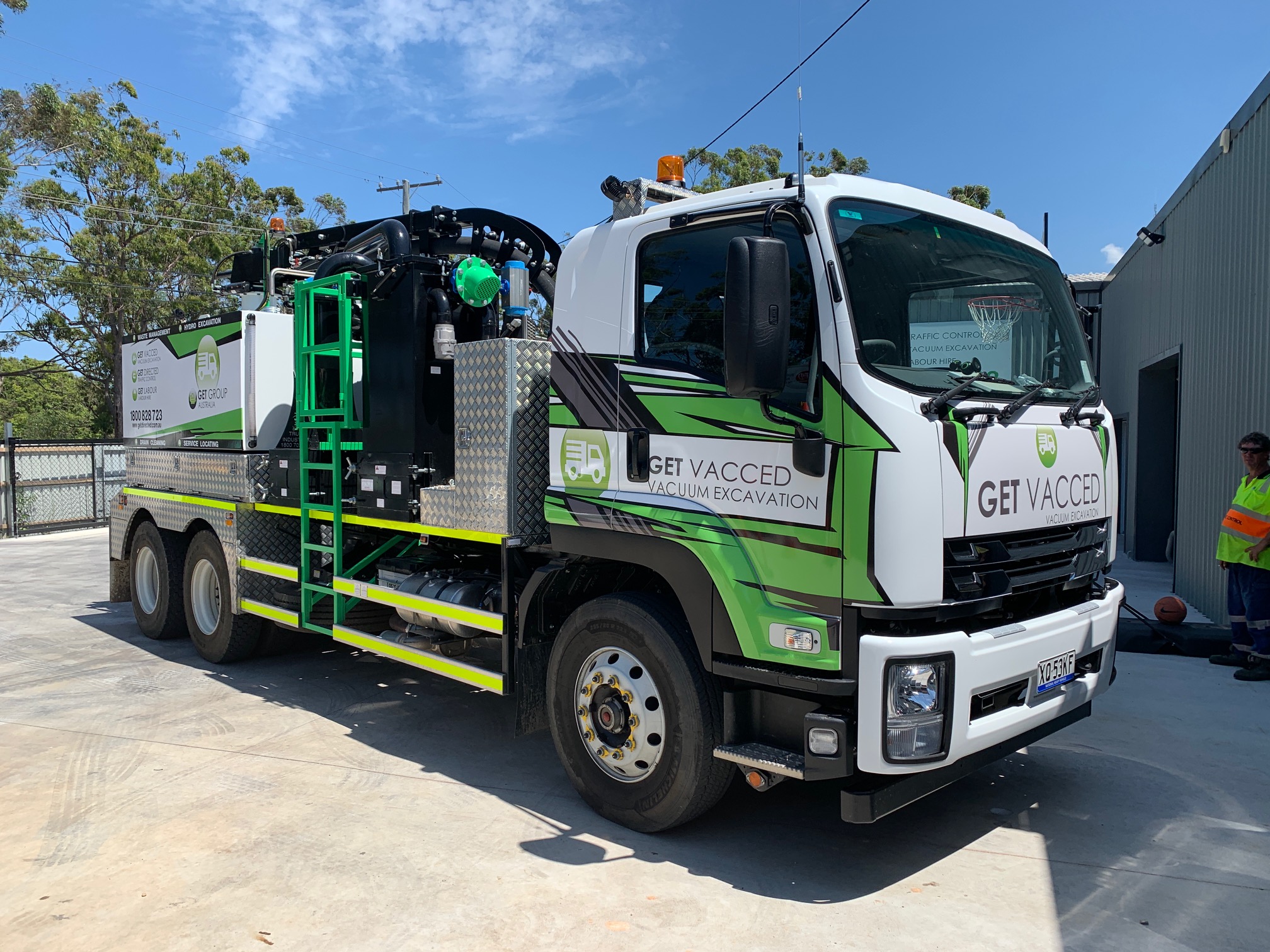
Read More
Posted in Traffic Control Gold Coast, Vac Truck Hire brisbane, Vacuum Excavation Gold CoastTagged

What Happens When a Vac Truck Arrives on Site?

If you have never had a vac truck on site before, you might be wondering what actually happens once it turns up.

The short version is: we check the site, work out where the truck can sit, set up the hose and work area, then get into the excavation or material removal.

The exact job changes from site to site, but the general flow is pretty similar.

We work across the Gold Coast, Brisbane, North Brisbane, Ipswich, Logan, Tweed Heads and Northern NSW, and the biggest differences usually come down to access, ground conditions, traffic and what needs to come out of the ground.

Before the Truck Arrives

A good job usually starts before the truck is even on site.

We want to know where the work is, what needs to be done, what the access looks like and whether there are any underground services, traffic issues or other site restrictions to think about.

You do not need to send us a novel.

A few clear photos, the site address and a simple description of the job can go a long way.

If you are still getting things organised, our guide to working vac truck excavation into the project schedule covers the timing side in more detail.

The First Thing We Check Is Access

Once the truck arrives, one of the first things we look at is where it can actually go.

That sounds obvious, but it can make or break the setup.

Narrow gates, parked vehicles, soft ground, fences, buildings and other plant can all change where the truck needs to sit.

On a big open civil site, that may be easy.

On a tighter Brisbane commercial site, a suburban Gold Coast job or a site around Ipswich or Logan, we may need to think a bit harder about positioning.

If access is the awkward part of the job, our vac truck access and hose distance guide explains what matters before the hose even comes off the truck.

Then We Work Out Where the Truck Should Sit

The truck does not always need to park right beside the work area.

Sometimes it can sit further away and reach the job by hose.

That can be useful when the excavation is behind a building, inside a fenced area or somewhere the truck itself cannot easily go.

But there is a limit to how complicated you want the hose run to become.

That is why we look at the route, the distance and anything sitting between the truck and the work area before we start.

The Hose and Work Area Get Set Up

Once the truck position is sorted, the crew can set up the hose and work area.

At this point we are looking at where the excavation needs to happen, what material we are dealing with and whether there are any underground services or other site conditions that need extra attention.

If we are potholing or working around known services, the setup may be different from a simple wet-spoil or slurry removal job.

For underground-service work, our article on how non-destructive digging helps expose buried services explains that process in plain English.

Then the Actual Vac Truck Work Starts

This is the part most people picture.

Depending on the job, the crew may be excavating, potholing, removing mud or slurry, cleaning out a pit or collecting other suitable material.

Not every job needs the same approach.

If the ground needs to be loosened first, hydro excavation may be used. If the material is already loose or wet, the job may be more focused on vacuum removal.

If you want to understand what can actually go into the truck, our guide to the materials a vacuum truck can remove covers soil, mud, slurry, water and wet spoil.

What Happens if Underground Services Are Involved?

If the job is around pipes, cables or other buried infrastructure, we take a more controlled approach.

Plans and markings are useful, but the aim is often to expose the actual service so the crew can see where it sits before larger excavation continues.

That is why potholing and service exposure are common vac truck jobs.

It gives the site team a much clearer picture of what is in the ground before the next stage starts.

What Happens to the Material?

As the job continues, the removed material is collected in the truck.

That might be soil, mud, slurry, water or other suitable material depending on the work.

What happens after that depends on the material, the volume and the job requirements.

If there is anything unusual about the material, we would rather know before the tank starts filling up.

Our guide to what happens to material after a vac truck removes it goes into the handling side in more detail.

What If the Job Changes Once We Start?

It happens.

The ground may be harder than expected. The excavation may be deeper. Access may change. A service may be sitting somewhere different from where the team expected.

That does not automatically mean the job stops.

It just means we need to reassess what is happening and work out the next practical step.

We would rather deal with the site that is actually in front of us than pretend every job follows the original plan perfectly.

What If the Truck Is Working Near Traffic?

If the truck needs to sit beside a road, driveway or busy access point, the setup has to work around traffic as well as the excavation.

That can affect where the truck is positioned and how the work area is managed.

Where traffic control is needed, Get Group can coordinate traffic control alongside the vac truck work.

That is especially useful on jobs where the truck position and traffic flow need to be planned together.

How Long Does the Setup Take?

There is no fixed answer.

An open site with easy access can be straightforward.

A tighter site with a long hose run, traffic nearby or several excavation points may need more setup before the actual work starts.

That is why a little planning beforehand can save a lot of mucking around on the day.

What Should the Site Team Have Ready?

You do not need everything perfect before the truck arrives, but a few basics help:

  • clear access to the work area
  • a site contact who knows what is happening
  • service plans or markings where relevant
  • photos or access information if the site is tight
  • a clear idea of what needs to be exposed or removed
  • any known traffic or access restrictions

If you are still at the preparation stage, our guide to getting a site ready before the vac truck arrives covers the practical checks in more detail.

What Does the Job Look Like From Start to Finish?

Stage What happens
1. Arrival We check access, the work area and where the truck can sit.
2. Setup The hose, truck position and work area are prepared.
3. Excavation or removal The crew carries out the potholing, excavation or material removal.
4. Material collection The removed material is collected in the truck.
5. Wrap-up The crew finishes the required work and the next stage of the project can continue.

What About Different Service Areas?

The overall process is similar, but the site conditions can change a lot depending on where the work is.

Brisbane and North Brisbane projects may involve tighter commercial access, busy roads or active construction sites.

Gold Coast jobs can range from suburban work to larger civil and roadside projects.

Across Ipswich and Logan, we may be dealing with more open sites or larger work areas, while Tweed Heads and Northern NSW can add different travel and access considerations.

For Gold Coast projects, you can also see our Gold Coast vacuum excavation service page.

For Ipswich work, our vacuum excavation information for Ipswich gives more local context.

Once the Brisbane service landing page goes live, that will be the better destination for Brisbane-specific enquiries.

Do You Need to Know the Exact Vac Truck Setup?

No.

You do not need to call us knowing the truck size, hose setup or excavation method.

Tell us what needs to happen on site and what you know about the access, ground and material.

We can work from there.

If you are still deciding whether vacuum excavation is the right approach, our guide to when vacuum excavation makes sense for a project is a good next step.

Vac Truck On-Site FAQs

Does the Vac Truck Need to Park Beside the Work Area?

No. In some situations, the truck can sit further away and use hose to reach the job, depending on the site layout.

Do I Need to Have the Site Completely Ready?

Not necessarily, but access, the work area and any relevant service information should be sorted enough for the crew to get started.

What If Access Is Tighter Than Expected?

We will look at the available truck position and hose route and work out whether the setup can be adjusted.

Can the Crew Handle Both Excavation and Material Removal?

Depending on the job, the vac truck may be used for excavation, material removal or both.

What If the Job Changes While the Crew Is There?

Tell the crew what has changed and the job can be reassessed before work continues.

Got a Vac Truck Job Coming Up?

If you have work planned across the Gold Coast, Brisbane, North Brisbane, Ipswich, Logan, Tweed Heads or Northern NSW, tell us what needs to happen and what the site looks like.

We can talk through access, the work area, material and any other details that may affect the job.

For service enquiries, visit our vacuum excavation service page or call 1800 828 723.

Read More
Posted in Vacuum Excavation Gold CoastTagged , , ,

Vac truck hire gold coast

Vac Truck Hire Gold Coast

‎

Introduction – What is a Vac Truck?

In the bustling coastal city of the Gold Coast, the demand for efficient waste management and excavation solutions is higher than ever. One indispensable tool in this space is the vacuum truck, commonly known as a vac truck. These specialised vehicles use high-powered suction to extract liquids, sludge, slurry, and debris safely and efficiently, making them invaluable across construction, municipal, and industrial projects.

‎

Overview of the Vac Truck Hire Industry

The vac truck hire industry has become a vital component of the Gold Coast’s infrastructure and environmental services. From large-scale construction sites to local council projects, vac trucks provide versatility, precision, and safety. Their non-destructive excavation and advanced waste removal capabilities have cemented them as essential assets across multiple sectors.

‎

Benefits of Vac Truck Hire

  • Environmental Benefits – Vac trucks adhere to strict waste disposal regulations, ensuring materials are handled responsibly. By minimising soil disturbance and safely transporting hazardous waste, they contribute to a reduced environmental footprint.
  • Cost-Effectiveness – Hiring a vac truck is often more cost-effective than purchasing and maintaining one. Clients avoid high upfront costs, ongoing servicing expenses, and benefit from access to modern, well-maintained fleets.
  • Efficiency – With powerful suction and large storage capacity, vac trucks streamline operations by reducing manual labor and speeding up site preparation, waste removal, and emergency response.

‎

Factors to Consider When Hiring a Vac Truck

Before securing a vac truck hire service, consider the following:

  • Capacity and Size – Match the tank size and suction power to the project’s scope.

  • Pumping Power – Ensure the truck can handle the type of material (liquid, sludge, or dry).

  • Experience of the Provider – Work with companies that have proven expertise and a strong safety record.

‎

Types of Vac Trucks Available

  • High-Pressure Vac Trucks – Ideal for demanding excavation or industrial cleaning tasks.

  • Combination Vac Trucks – Versatile units capable of handling both wet and dry materials efficiently.

‎

Applications of Vac Trucks

Vac trucks are widely used across industries, including:

  • Construction Sites – Excavation, dewatering, and debris removal.

  • Municipal Projects – Sewer cleaning, stormwater maintenance, and public works.

  • Industrial Cleaning – Tank cleaning, spill response, and hazardous waste management.

‎

Importance of Proper Maintenance

Well-maintained vac trucks ensure optimal performance and minimal downtime. Regular servicing, inspections, and strict adherence to maintenance schedules extend equipment lifespan and guarantee safe operation on-site.

‎

Tips for Hiring the Right Vac Truck

  • Research Reputable Companies – Look for established providers with industry experience.

  • Review Client Testimonials – Past reviews reveal service reliability and customer satisfaction.

  • Check Maintenance Policies – Ensure the company maintains a modern, well-serviced fleet.

‎

Safety Precautions

Safety is a top priority in vac truck operations. Key measures include:

  • Comprehensive operator training and certification

  • Compliance with local safety regulations

  • Regular inspections to prevent breakdowns and hazards

‎

Cost Considerations

  • Rental Fees – Typically charged hourly or daily depending on truck type and duration.

  • Additional Charges – Disposal fees, operator costs, or travel surcharges may apply.

  • Comparing Quotes – Obtain multiple quotes to ensure competitive pricing and value.

‎

Environmental Impact

Vac truck hire plays a crucial role in reducing environmental risks. By following strict waste disposal regulations, these services prevent contamination of soil and waterways, helping industries operate sustainably.

‎

Case Studies

Across the Gold Coast, vac truck hire has proven its value in:

  • Large construction projects – Streamlining excavation and utility works.

  • Municipal maintenance – Ensuring sewer and stormwater networks remain operational.

  • Residential applications – Septic tank cleaning and drain unblocking.

‎

FAQs

How does vac truck hire benefit construction projects?
Vac trucks enable safe, non-destructive excavation and efficient site cleanup, keeping projects on schedule and compliant with regulations.

What factors affect the cost of vac truck hire?
Costs depend on truck type, capacity, hire duration, disposal fees, and project complexity.

Is vac truck hire suitable for residential projects?
Yes. Vac trucks are frequently used for septic tank cleaning, blocked drains, and landscaping excavation.

‎

Conclusion

Vac truck hire on the Gold Coast provides a safe, efficient, and environmentally responsible solution for managing excavation and waste. By considering factors such as capacity, maintenance, safety, and provider reputation, businesses and individuals can maximise the benefits of these versatile vehicles. Whether for construction, industrial, or municipal projects, vac truck hire remains a cost-effective and essential service for modern operations.

Read More
Book Now