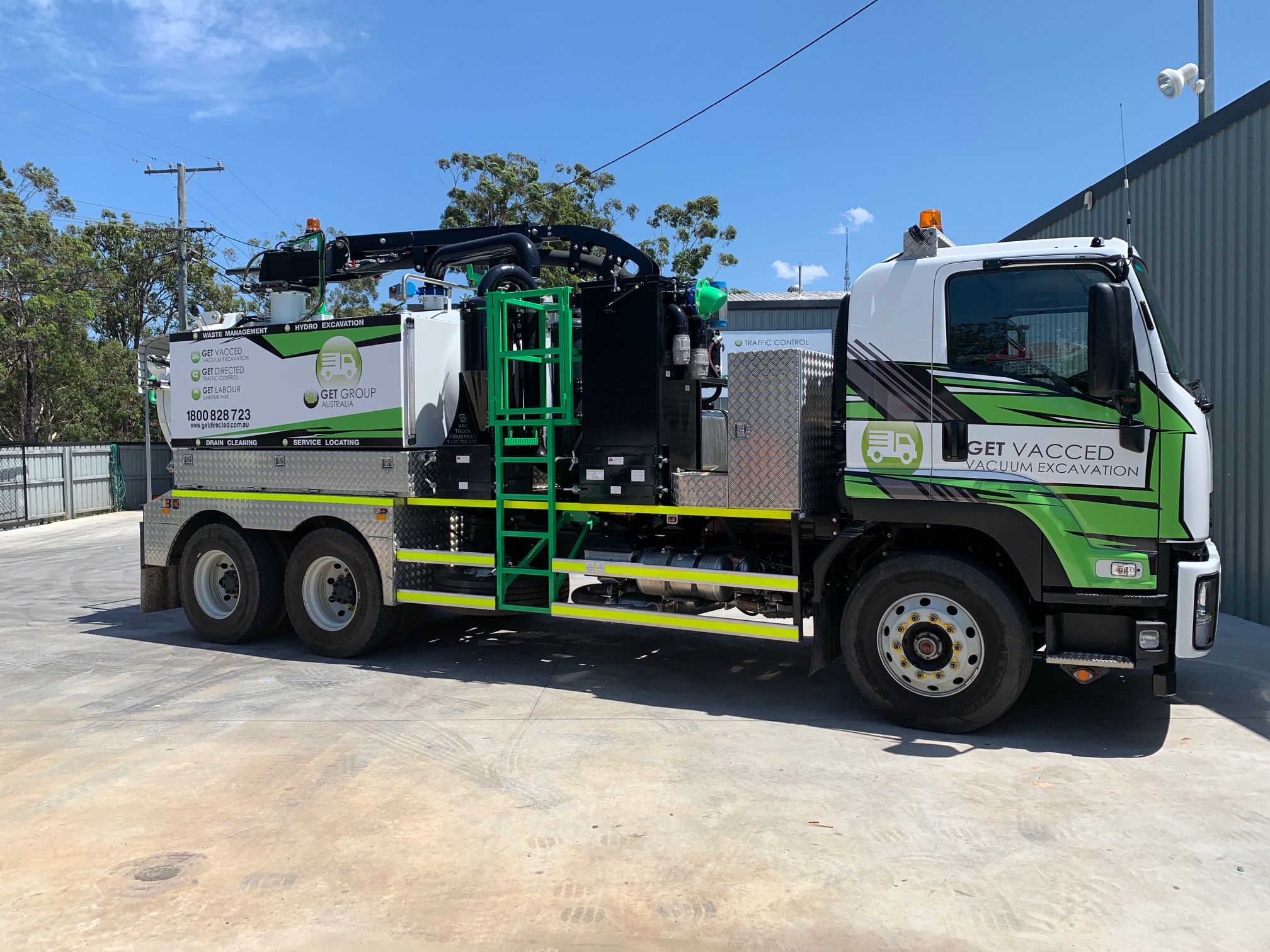
Posted in Vac Truck Hire brisbaneTagged ,

7 Common Vac Truck Uses Across South East Queensland

Vac trucks are handy for jobs where digging, cleaning or removing material gets awkward.

Across civil, construction, commercial and residential sites, common vac truck uses include potholing, trenching, exposing underground services, cleaning drains and removing mud or drill spoil.

At Get Vacced, we carry out this work across South East Queensland with experienced operators and purpose built equipment. Our vacuum excavation crew works alongside other trades and site teams to get the job done without creating extra headaches.

Here are seven jobs our vac trucks regularly help with.

1. Exposing Underground Services With a Vac Truck
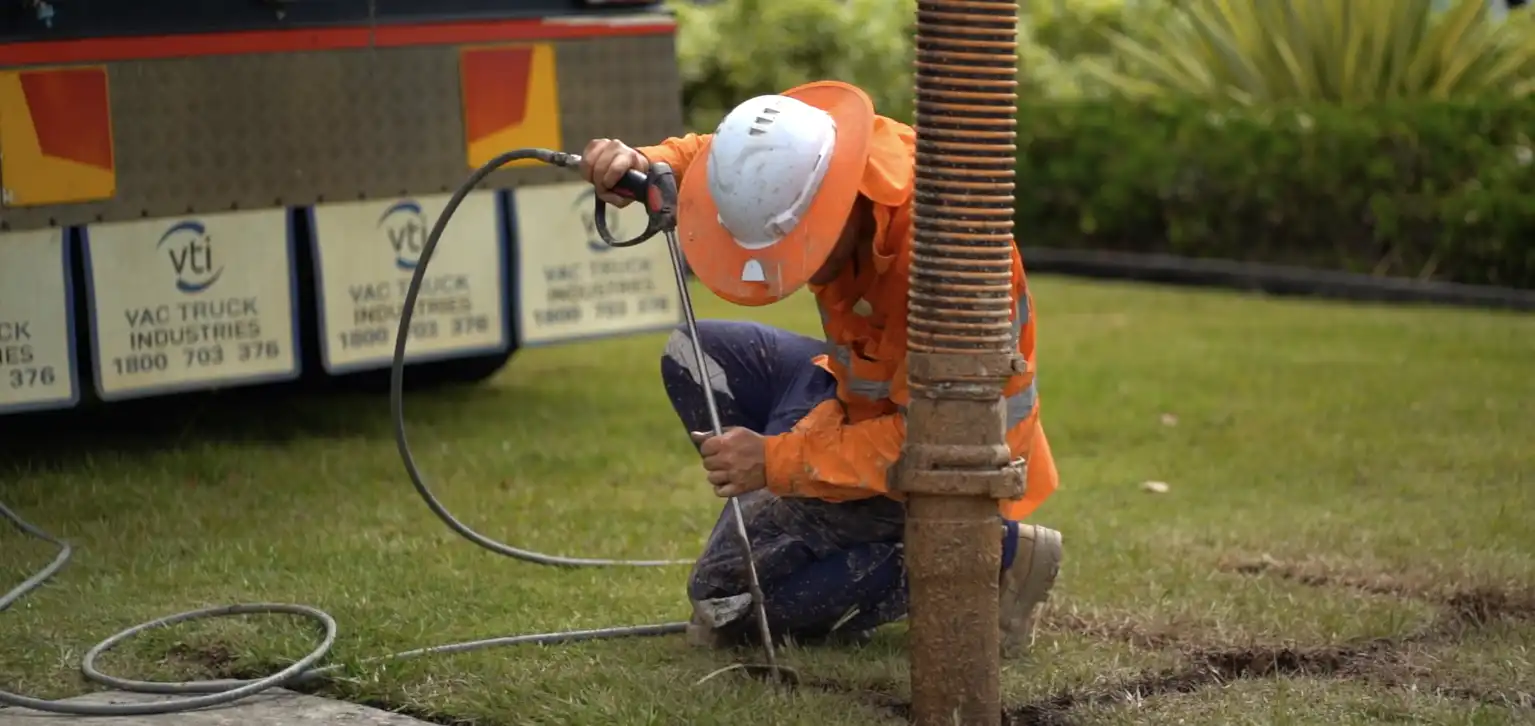
Underground pipes and cables can make even a small excavation job more complicated.

Our vac trucks can remove soil around existing services so the crew can see what is below the surface before other work continues.

This gives contractors a clearer view of the area they are working in and allows excavation to continue with more care around existing infrastructure.

Our operators are used to working around active sites, other machinery and multiple trades, so the job becomes part of the wider site work rather than getting in everyone else’s way.

2. Vac Truck Potholing Before Excavation

Potholing helps confirm the location of underground services before larger digging begins.

Instead of opening up a large section of ground, the crew can expose a smaller area and see what is actually there.

We regularly carry out potholing as part of our vac truck services.

It is particularly useful when contractors want a better look at underground infrastructure before moving ahead with other excavation work.

A relatively small job like this can make the next stage of work much easier for everyone on site.

3. Vacuum Excavation for Trenching

Large excavation equipment works well when there is plenty of room and nothing sensitive nearby.

A trench beside existing services can be a different story.

Vacuum excavation gives our operators more control over the area being opened up, which makes it useful for trenching around pipes, cables and other site infrastructure.

We handle trenching across civil, construction, commercial and residential jobs.

Give us the site details and an idea of what needs to be achieved. We can work out the most practical way to approach it.

4. Removing Mud and Drill Spoil With a Vac Truck

Drilling can leave a surprising amount of mud, slurry and spoil behind.

Once it starts building up around the work area, it can quickly become another job for the site crew.

Our vac trucks can collect that material directly from the area and remove it from where people are trying to work.

Mud and drill spoil recovery is included in our vacuum excavation services, so our operators regularly deal with this type of clean up.

Less mud underfoot means the rest of the crew can get back to the work they were actually there to do.

5. Vac Truck Drain and Jet Cleaning

Vac trucks can also help clear drains and other areas where dirt, mud and debris have built up.

Our crew provides drain and jet cleaning for sites that need more than a quick hose down.

The vacuum truck collects the loosened material, which means it can be removed rather than simply pushed somewhere else around the property.

We work on everything from busy worksites to commercial properties, so the approach can be adjusted around what is already happening on site.

And yes, we are quite happy taking care of the messy jobs.

6. Vac Truck Work on Commercial Sites

Commercial sites bring their own challenges.

There may be customers nearby, staff moving through the property, other contractors working or limited room for equipment.

Our crew works around those conditions rather than expecting the entire site to stop for us.

Good communication matters here.

We speak with the people on site, understand where we need to work and get our part of the job completed with as little disruption as practical.

That approach is just as important as the equipment itself.

7. Other Jobs a Vac Truck Can Help With

Plenty of vac truck jobs do not fit neatly under one heading.

A site may have wet spoil that needs removing, an awkward area that needs cleaning, underground infrastructure that needs exposing or a section of ground that needs to be opened carefully.

You do not need to work out the exact service name before giving us a call.

Explain what is happening on site and what you need done.

We work with this equipment every day, so we can quickly tell you whether a vac truck makes sense for the job.

Why an Experienced Vac Truck Operator Matters

A capable operator makes a big difference.

Working around underground services, other trades and active machinery calls for more than simply knowing how to run the truck.

Our crew handles potholing, trenching, service locating, drain cleaning, spoil recovery and vacuum excavation across a wide range of sites.

They know the equipment, but they also understand how to work around other people.

That means communicating with the site crew, keeping the work area organised and getting on with the job without taking over the entire site.

Nobody needs another contractor making their day harder.

Where We Provide Vac Truck Services

We work across Brisbane, North Brisbane, the Gold Coast, Ipswich, Logan, Toowoomba, Tweed Heads and Northern New South Wales.

Our jobs range from civil and construction projects through to commercial and residential work.

The size of the job is not always the important part. Sometimes the smaller, awkward jobs are exactly where a vac truck earns its keep.

If you have something underground that needs exposing, material that needs removing or an area that needs a careful excavation, tell us what you are dealing with.

Our vacuum excavation service covers a broad range of jobs, and our crew can talk through what will work for your site.

Vac Truck FAQs

What Are Vac Trucks Used For?

Vac trucks can be used for potholing, trenching, exposing underground services, service locating, drain cleaning and removing mud or drill spoil.

They are useful on jobs where crews need more control over excavation or need to remove wet and loose material from a work area.

Can a Vac Truck Expose Underground Services?

Yes.

Vacuum excavation can remove the soil around underground services so pipes, cables and other infrastructure can be seen before nearby work continues.

What Is Potholing?

Potholing involves opening a smaller section of ground to expose or confirm the position of underground infrastructure.

It is commonly carried out before larger excavation work starts nearby.

Can Vac Trucks Remove Mud and Drill Spoil?

Yes.

Our vac trucks can collect mud, slurry and drill spoil from the work area, helping clear the site for the next stage of the job.

Do You Only Work on Large Construction Sites?

No.

We work across civil, construction, commercial and residential sites.

Vac trucks can be useful on both large projects and smaller jobs where access, underground services or messy material make ordinary excavation more difficult.

Where Do You Provide Vac Truck Services?

We service Brisbane, North Brisbane, the Gold Coast, Ipswich, Logan, Toowoomba, Tweed Heads and Northern New South Wales.

Need a Vac Truck?

Tell us what is happening on site and what you need done.

Our crew will help you work out whether vacuum excavation is right for the job.

Call 1800 828 723 and Get Vacced.

Read More
Posted in Vac Truck Hire brisbane, Vacuum Excavation Gold CoastTagged ,

Wet vs Dry Vac Trucks: What’s the Difference?

Wet and dry vac trucks are built for different kinds of material, so the right choice depends on what is actually on site.

Wet material such as mud, slurry or water behaves very differently from loose, dry material, and that can change how the truck is set up, how quickly the tank fills and what happens after the material is collected.

You do not need to know which truck type to ask for before you call us. Tell us what you are dealing with, where the job is and what the access looks like, and we can work from there.

Wet vs Dry Vac Trucks at a Glance

Truck type Common material What usually matters most
Wet vac truck Mud, slurry, water and wet spoil Material volume, tank capacity, handling and disposal
Dry vac truck Suitable loose, dry material and debris Material type, access, hose route and dust or debris conditions

What Is a Wet Vac Truck?

A wet vac truck is used where the material being removed contains a lot of moisture.

That may include mud, slurry, water or wet spoil from excavation or clean-up work.

For these jobs, the big questions are usually how much material is there, how wet it is and where it has come from.

That information helps us understand how quickly the tank may fill and how the job needs to be planned.

If you are dealing with slurry or wet spoil and want a broader idea of what can be collected, our guide to what a vacuum truck can remove and what affects the job is a good next step.

What Is a Dry Vac Truck?

A dry vac truck is used for suitable loose material that does not rely on water as part of the removal process.

That can include certain dry soils, loose debris or material that is already broken up and ready to be collected.

The exact setup still depends on the job.

Access, hose distance, the amount of material and what is mixed through it can all change how practical the work is.

So Which One Is Better?

Neither is automatically better.

A wet vac truck may make more sense if the material is already muddy, wet or slurry-like.

A dry vac setup may make more sense where the material is loose and dry.

The important part is matching the equipment to the job instead of trying to make one setup suit everything.

What If the Ground Needs to Be Loosened First?

This is where hydro excavation can come into the picture.

Hydro excavation uses water to loosen the ground before the material is vacuumed away.

That means the material being collected becomes wet and is usually handled as slurry.

If you want to see how that process works from start to finish, our guide to how hydro vacuum excavation works in Brisbane breaks it down step by step.

Material Type Is Only Part of the Decision

Even if we know whether the material is wet or dry, we still need to look at the site.

A straightforward job with the truck parked right beside the work area is very different from one where the hose needs to run around a building or through a narrow access point.

That is why we also look at truck position, hose distance and ground conditions before deciding how the job should be set up.

Our vac truck access and hose distance guide covers the practical site issues that can change the setup.

How Much Material Is There?

Volume matters for both wet and dry jobs.

A small amount of material in one spot is one thing. A long trench, large pit or several work areas can be a very different job.

Wet material can also fill tank capacity quickly, depending on how much water is mixed through it.

You do not need to give us an exact figure, but a rough idea helps us plan.

What Happens After the Material Is Collected?

That depends on what has gone into the truck.

Soil, slurry, mud and other material may need different handling after collection, and anything unusual should be raised before the job starts.

If you are unsure what happens after removal, our article on what happens to material after a vac truck removes it covers that part of the job in more detail.

Which Truck Would Suit These Jobs?

Mud or Wet Spoil in a Pit

A wet vac setup may be the more obvious fit because the material already contains a lot of moisture.

We would still want to know the amount, access and what the material contains before planning the work.

Loose Dry Material on an Open Site

A dry vac setup may be suitable where the material is loose and does not need water to be introduced first.

Again, the material itself needs to be appropriate for the equipment being used.

Ground That Needs to Be Excavated Around Services

The decision may be less about wet versus dry and more about the excavation method.

Where hydro excavation is used, water helps loosen the ground before the material is removed by vacuum.

A Tight Site With Limited Truck Access

The truck type still matters, but access may become the bigger issue.

We need to know where the truck can sit and how the hose will reach the work area.

Do You Need to Choose the Truck Yourself?

No.

You do not need to call us saying you need a wet vac or dry vac unless you already know exactly what the job requires.

Tell us what needs to be removed, what it looks like, where the site is and what access is available.

That gives us a much better starting point.

If you want to understand what else affects truck selection, our guide to how the job and site affect the vac truck setup explains those decisions in more detail.

What About Cost?

Wet versus dry is only one part of the quote.

Travel, site access, time on site, disposal, material volume and the amount of work involved can all affect the final price.

If you are budgeting a job, our guide to the details that can change a vac truck quote in SEQ gives a better picture of what actually matters.

What About Different Locations?

We work across the Gold Coast, Brisbane, North Brisbane, Ipswich, Logan, Tweed Heads and Northern NSW, and the site conditions can vary a lot between locations.

A tight commercial site in Brisbane may need more planning around truck position and hose distance.

A larger civil job around Ipswich or Logan may have easier access but more material to remove.

Gold Coast work can range from suburban sites to roadside and civil projects where access and traffic both need to be considered.

For Gold Coast enquiries, our Gold Coast vacuum excavation service page has the local service details.

For Ipswich work, you can also see our vacuum excavation information for Ipswich.

What Should You Tell Us Before the Job?

You do not need to know whether the job needs a wet or dry vac truck.

What helps is:

  • what material needs to be removed
  • whether it is wet, dry or mixed
  • roughly how much there is
  • where the site is
  • what access looks like
  • whether underground services are involved
  • whether the work is close to traffic

If you are not sure what information is worth sending, our guide to what to tell a vac truck operator before the job gives you the practical checklist.

Wet vs Dry Vac Truck FAQs

Can a Wet Vac Truck Remove Slurry?

Suitable slurry can often be handled by wet vacuum equipment, depending on what it contains and the job conditions.

Can a Dry Vac Truck Remove Soil?

Some suitable loose, dry material may be handled by dry vacuum equipment, but the exact setup depends on the material and the site.

Is Hydro Excavation a Wet Vac Job?

Hydro excavation creates wet material because water is used to loosen the ground before the material is vacuumed away.

Do I Need to Know Which Type of Vac Truck to Book?

No. Tell us what is happening on site and we can work through what setup makes sense.

Not Sure Which Setup Your Job Needs?

Tell us what needs to come out, whether the material is wet or dry and what the site looks like.

We can ask the right questions and work out what sort of setup is practical for the job.

For service enquiries, visit our vacuum excavation service page or call 1800 828 723.

Read More
Posted in Vac Truck Hire brisbaneTagged ,

What Can a Vacuum Truck Remove?

If you have soil, mud, slurry, water or other loose material that needs to come out of a work area, a vacuum truck may be able to handle it.

But the answer is not always as simple as “yes” or “no”. What the truck can remove depends on the material itself, how much of it there is, where it is sitting and how easily we can get the truck and hose into position.

When we look at a job, we usually start with the same basic questions: what are we removing, where is it, how much is there and what does the site look like?

So, What Can a Vacuum Truck Remove?

Vacuum trucks can be used to remove a range of loose and wet materials from construction, civil and maintenance sites.

Common examples include soil, mud, slurry, water, wet spoil and material collected from pits or drains.

The important part is understanding what the material actually is before the job starts. Two materials can look similar on site but may need to be handled differently.

If you are still getting familiar with the equipment, our guide to common vac truck uses across South East Queensland gives a broader look at the types of work vacuum trucks are used for.

Soil and Loose Ground

Vacuum trucks are commonly used where soil needs to be removed in a controlled way.

This can include potholing, small excavations and work around existing underground services.

The condition of the ground matters. Loose soil behaves differently from compacted ground or heavy clay, so it helps if you can tell us what the site is like before the crew arrives.

For work near pipes, cables or other buried infrastructure, see our guide to non-destructive digging around underground services.

Mud and Wet Spoil

Vac trucks can also be useful when the material is already wet and difficult to move with ordinary equipment.

If someone calls us about wet spoil, one of the first things we want to know is roughly how much material is there and where it has come from.

That gives us a better idea of what the job involves and how the material may need to be handled after it is collected.

You do not need to know the exact volume. Even a rough estimate can help us plan the work.

Slurry

Slurry is another material that can often be removed with a vacuum truck, depending on what it contains and the site conditions.

This can come from excavation work, wet ground conditions or other site activities where soil and water have mixed together.

If the slurry has come from a specific process or contains anything unusual, tell us before the job. That information matters when we are planning how the material will be collected and handled.

Slurry can also be created during hydro excavation. If you want to understand that process in more detail, read our guide to how hydro vacuum excavation works.

Water and Other Suitable Liquid Material

Vacuum trucks may also be used to remove water and other suitable liquid material from work areas, pits or similar locations.

The key word here is suitable.

If there is any chance the liquid contains chemicals, contaminants or anything unusual, that needs to be discussed before the truck arrives.

We would rather know about that upfront than discover it once the job is already underway.

Material From Pits and Drains

Pits and drains can collect a mix of sediment, mud, water and loose debris over time.

Vacuum trucks can be useful for removing that built-up material where the job and access are suitable.

Before the work starts, we want to know what the pit or drain looks like, how deep it is and how close the truck can get to the work area.

That is especially important when the pit is behind a building, inside a fenced area or beside a live traffic zone.

Can a Vacuum Truck Remove Everything?

No.

A vacuum truck can handle a wide range of suitable loose and wet materials, but that does not mean every material should go into the tank.

If the material is unusual, contaminated, hazardous or you are simply not sure what it is, tell us before the job is booked.

That gives us a chance to work out whether the job is suitable and whether any extra handling requirements need to be considered.

The Material Is Only Part of the Job

Even when the material itself is straightforward, the site can change how the job needs to be set up.

A truck may be able to remove the material, but we still need to think about where the truck can sit, how far the hose needs to run and whether the crew has enough room to work.

That is why access is one of the first things we ask about on tighter sites.

If access is likely to be an issue, our guide to preparing a site before vac truck work covers truck positioning, access and the details worth checking before the crew arrives.

Does the Amount of Material Matter?

Yes.

A small amount of material in one location is a different job from a large volume spread across a trench, pit or several work areas.

The volume can affect tank capacity, the amount of time required and whether disposal trips may be needed during the job.

You do not need to calculate everything exactly, but a rough idea of the amount helps us understand the scope.

Does the Material Affect Which Vac Truck Is Used?

It can.

The job may depend on the type of material, the volume, access and how the work is being carried out.

You do not need to know which truck to ask for yourself.

Tell us what needs to be removed, where it is and what the site looks like, and we can work from there.

If you want to understand what else goes into that decision, we have also explained how a vac truck setup is matched to a project.

Does the Material Affect the Cost?

It can, but it is only one part of the quote.

Travel, time on site, access, disposal requirements and the amount of material can all affect the final cost.

A simple job with easy access may be very different from a larger job where the truck has to work from a distance or make additional disposal trips.

We break those factors down further in our guide to what can change a vac truck quote in South East Queensland.

What Should You Tell Us Before the Job?

You do not need a complicated technical brief.

The most useful information is usually simple:

  • what needs to be removed
  • roughly how much material there is
  • where the material has come from
  • where the job is located
  • what access is like
  • whether underground services are nearby
  • whether the work is close to traffic

If you have photos, send them through. They are especially useful when access is tight or the work area is difficult to explain over the phone.

If the timing of the job is still being worked out, our guide to when to book a vac truck in South East Queensland covers the main scheduling considerations.

What If You Are Not Sure What the Material Is?

That is fine.

Tell us what you know and give us as much context as you can.

Photos, site information and a simple description of where the material came from can help us understand what we are dealing with.

If something looks unusual or there is a chance the material is contaminated, let us know before the job starts.

What Can a Vacuum Truck Remove FAQs

Can a Vacuum Truck Remove Soil?

Yes, vacuum trucks are commonly used to remove suitable soil during potholing, service exposure and other excavation work.

Can a Vacuum Truck Remove Mud?

Yes, suitable mud and wet spoil can often be removed with a vacuum truck. The volume, access and what the material contains can affect how the job is planned.

Can a Vacuum Truck Remove Slurry?

Often, yes. Tell the crew what the slurry contains and where it has come from so the job can be planned properly.

Can a Vacuum Truck Remove Water?

Vacuum trucks may be able to remove suitable water and liquid material, depending on what is in it and how it needs to be handled.

Can a Vacuum Truck Remove Material From a Pit or Drain?

Yes, vac trucks can be useful for removing suitable sediment, mud, water and loose material from pits and drains where the site and access allow it.

Do I Need to Know Exactly How Much Material There Is?

No. A rough estimate is usually enough to start the conversation. Photos and dimensions can also help.

Not Sure If a Vac Truck Can Handle Your Job?

You do not need to work that out yourself before you call us.

Tell us what needs to come out, where the material is and what the site looks like. If you have photos or plans, send those through as well.

We can ask the right questions and work out whether vacuum excavation or vacuum removal is suitable for the job.

For service enquiries, visit our vacuum excavation service page or call 1800 828 723.

Read More
Book Now