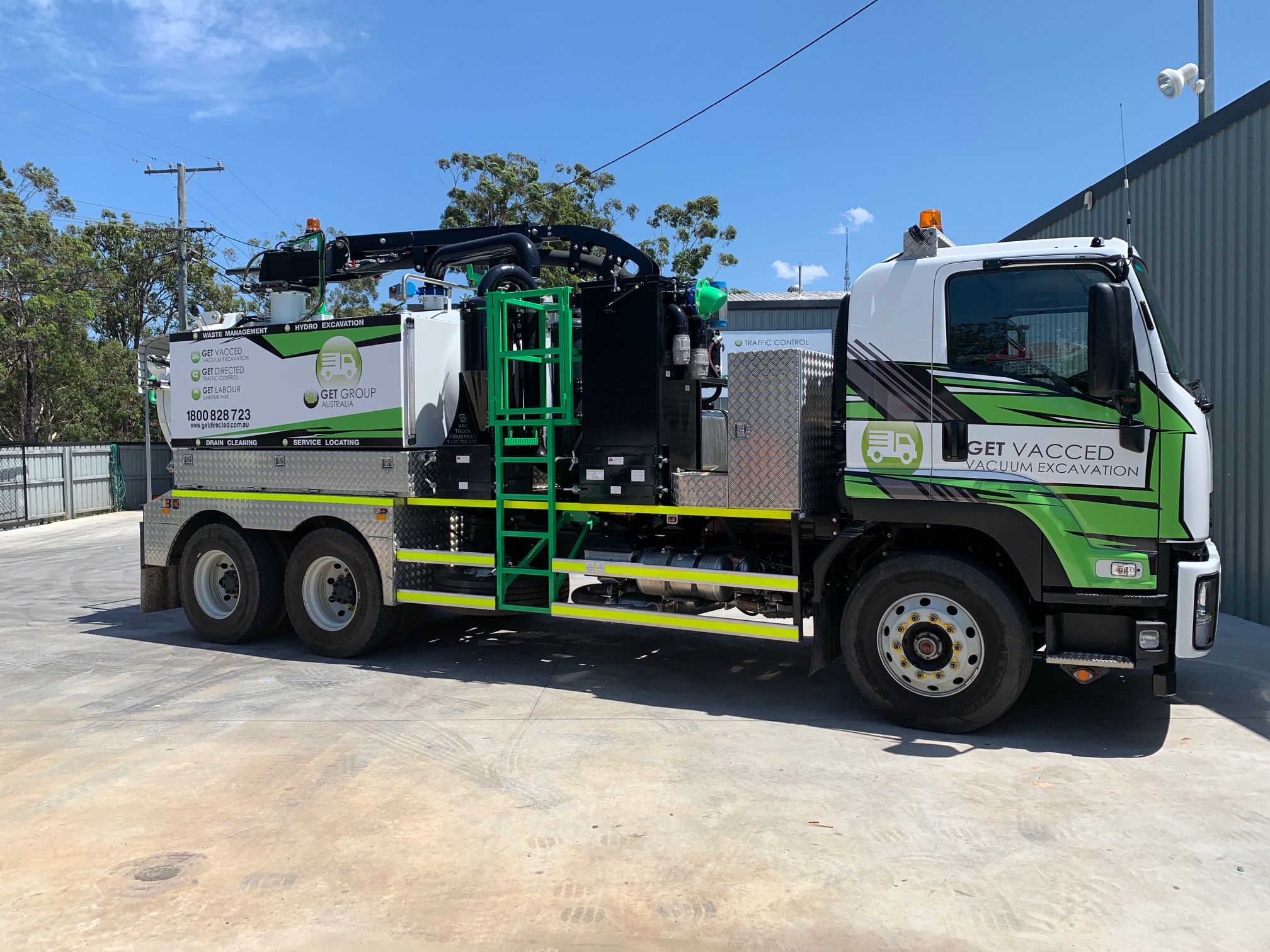
If you have soil, mud, slurry, water or other loose material that needs to come out of a work area, a vacuum truck may be able to handle it.
But the answer is not always as simple as “yes” or “no”. What the truck can remove depends on the material itself, how much of it there is, where it is sitting and how easily we can get the truck and hose into position.
When we look at a job, we usually start with the same basic questions: what are we removing, where is it, how much is there and what does the site look like?
So, What Can a Vacuum Truck Remove?
Vacuum trucks can be used to remove a range of loose and wet materials from construction, civil and maintenance sites.
Common examples include soil, mud, slurry, water, wet spoil and material collected from pits or drains.
The important part is understanding what the material actually is before the job starts. Two materials can look similar on site but may need to be handled differently.
If you are still getting familiar with the equipment, our guide to common vac truck uses across South East Queensland gives a broader look at the types of work vacuum trucks are used for.
Soil and Loose Ground
Vacuum trucks are commonly used where soil needs to be removed in a controlled way.
This can include potholing, small excavations and work around existing underground services.
The condition of the ground matters. Loose soil behaves differently from compacted ground or heavy clay, so it helps if you can tell us what the site is like before the crew arrives.
For work near pipes, cables or other buried infrastructure, see our guide to non-destructive digging around underground services.
Mud and Wet Spoil
Vac trucks can also be useful when the material is already wet and difficult to move with ordinary equipment.
If someone calls us about wet spoil, one of the first things we want to know is roughly how much material is there and where it has come from.
That gives us a better idea of what the job involves and how the material may need to be handled after it is collected.
You do not need to know the exact volume. Even a rough estimate can help us plan the work.
Slurry
Slurry is another material that can often be removed with a vacuum truck, depending on what it contains and the site conditions.
This can come from excavation work, wet ground conditions or other site activities where soil and water have mixed together.
If the slurry has come from a specific process or contains anything unusual, tell us before the job. That information matters when we are planning how the material will be collected and handled.
Slurry can also be created during hydro excavation. If you want to understand that process in more detail, read our guide to how hydro vacuum excavation works.
Water and Other Suitable Liquid Material
Vacuum trucks may also be used to remove water and other suitable liquid material from work areas, pits or similar locations.
The key word here is suitable.
If there is any chance the liquid contains chemicals, contaminants or anything unusual, that needs to be discussed before the truck arrives.
We would rather know about that upfront than discover it once the job is already underway.
Material From Pits and Drains
Pits and drains can collect a mix of sediment, mud, water and loose debris over time.
Vacuum trucks can be useful for removing that built-up material where the job and access are suitable.
Before the work starts, we want to know what the pit or drain looks like, how deep it is and how close the truck can get to the work area.
That is especially important when the pit is behind a building, inside a fenced area or beside a live traffic zone.
Can a Vacuum Truck Remove Everything?
No.
A vacuum truck can handle a wide range of suitable loose and wet materials, but that does not mean every material should go into the tank.
If the material is unusual, contaminated, hazardous or you are simply not sure what it is, tell us before the job is booked.
That gives us a chance to work out whether the job is suitable and whether any extra handling requirements need to be considered.
The Material Is Only Part of the Job
Even when the material itself is straightforward, the site can change how the job needs to be set up.
A truck may be able to remove the material, but we still need to think about where the truck can sit, how far the hose needs to run and whether the crew has enough room to work.
That is why access is one of the first things we ask about on tighter sites.
If access is likely to be an issue, our guide to preparing a site before vac truck work covers truck positioning, access and the details worth checking before the crew arrives.
Does the Amount of Material Matter?
Yes.
A small amount of material in one location is a different job from a large volume spread across a trench, pit or several work areas.
The volume can affect tank capacity, the amount of time required and whether disposal trips may be needed during the job.
You do not need to calculate everything exactly, but a rough idea of the amount helps us understand the scope.
Does the Material Affect Which Vac Truck Is Used?
It can.
The job may depend on the type of material, the volume, access and how the work is being carried out.
You do not need to know which truck to ask for yourself.
Tell us what needs to be removed, where it is and what the site looks like, and we can work from there.
If you want to understand what else goes into that decision, we have also explained how a vac truck setup is matched to a project.
Does the Material Affect the Cost?
It can, but it is only one part of the quote.
Travel, time on site, access, disposal requirements and the amount of material can all affect the final cost.
A simple job with easy access may be very different from a larger job where the truck has to work from a distance or make additional disposal trips.
We break those factors down further in our guide to what can change a vac truck quote in South East Queensland.
What Should You Tell Us Before the Job?
You do not need a complicated technical brief.
The most useful information is usually simple:
- what needs to be removed
- roughly how much material there is
- where the material has come from
- where the job is located
- what access is like
- whether underground services are nearby
- whether the work is close to traffic
If you have photos, send them through. They are especially useful when access is tight or the work area is difficult to explain over the phone.
If the timing of the job is still being worked out, our guide to when to book a vac truck in South East Queensland covers the main scheduling considerations.
What If You Are Not Sure What the Material Is?
That is fine.
Tell us what you know and give us as much context as you can.
Photos, site information and a simple description of where the material came from can help us understand what we are dealing with.
If something looks unusual or there is a chance the material is contaminated, let us know before the job starts.
What Can a Vacuum Truck Remove FAQs
Can a Vacuum Truck Remove Soil?
Yes, vacuum trucks are commonly used to remove suitable soil during potholing, service exposure and other excavation work.
Can a Vacuum Truck Remove Mud?
Yes, suitable mud and wet spoil can often be removed with a vacuum truck. The volume, access and what the material contains can affect how the job is planned.
Can a Vacuum Truck Remove Slurry?
Often, yes. Tell the crew what the slurry contains and where it has come from so the job can be planned properly.
Can a Vacuum Truck Remove Water?
Vacuum trucks may be able to remove suitable water and liquid material, depending on what is in it and how it needs to be handled.
Can a Vacuum Truck Remove Material From a Pit or Drain?
Yes, vac trucks can be useful for removing suitable sediment, mud, water and loose material from pits and drains where the site and access allow it.
Do I Need to Know Exactly How Much Material There Is?
No. A rough estimate is usually enough to start the conversation. Photos and dimensions can also help.
Not Sure If a Vac Truck Can Handle Your Job?
You do not need to work that out yourself before you call us.
Tell us what needs to come out, where the material is and what the site looks like. If you have photos or plans, send those through as well.
We can ask the right questions and work out whether vacuum excavation or vacuum removal is suitable for the job.
For service enquiries, visit our vacuum excavation service page or call 1800 828 723.