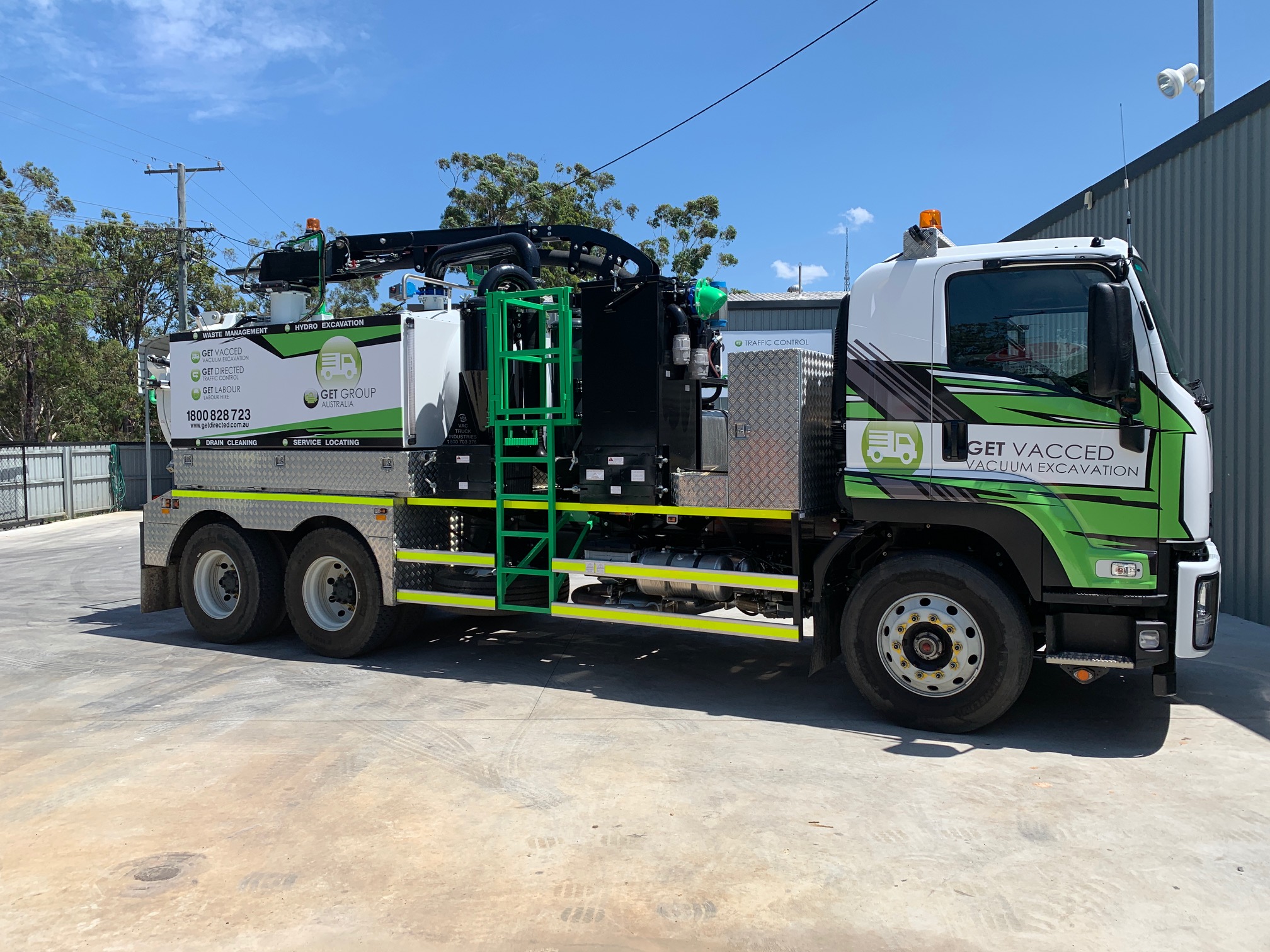
The Benefits of Vacuum Excavation
Vacuum excavation is a way of digging that uses high-pressure water or air to loosen the ground, then a powerful vacuum to suck the material into a sealed tank. It is often called non-destructive digging (NDD) or “soft dig”, and it has become the standard method for working around underground services.
Compared with an excavator or a shovel, vacuum excavation greatly reduces the risk of striking a gas line, water main or power cable. It also leaves the site cleaner and needs less reinstatement afterwards.
Looking to book a truck? See our vacuum excavation Gold Coast service.
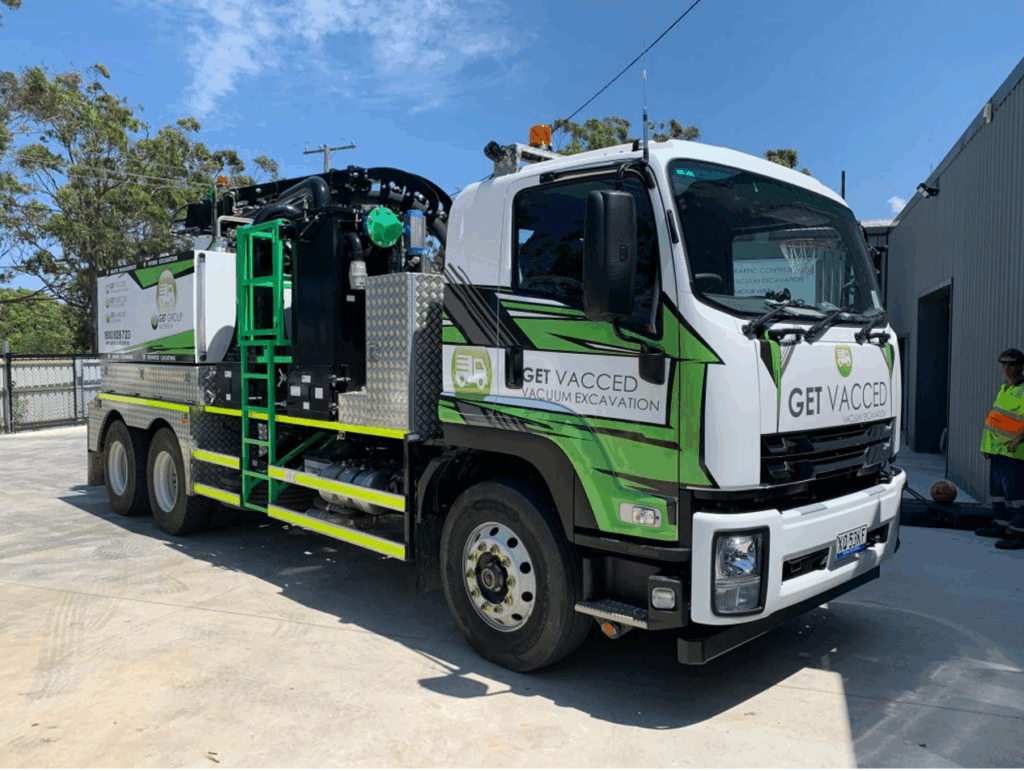
The Main Benefits of Vacuum Excavation
1. Safer around underground services
Water or air breaks up the soil without the force of a metal bucket, so pipes and cables are exposed rather than damaged. That means fewer service strikes, fewer outages and less risk to the crew.
2. Accurate, controlled digging
Operators can dig exactly where they need to and no further. Holes stay small, which suits potholing, service locating and narrow trenches.
3. Less damage and less reinstatement
Because the excavation is tight and controlled, there is less damage to surrounding paths, driveways, gardens and tree roots. That means less repair work when the job is finished.
4. Cleaner sites
Spoil goes straight into the truck’s tank instead of being piled up beside the hole. The work area stays tidy and the material can be taken away for disposal.
5. Fewer people needed
One truck and an experienced operator can often do work that would otherwise need a larger hand-digging crew, which keeps labour and safety risks down.
6. Works where machines can’t
With a long hose and remote-controlled boom, the truck can stand back from the dig point. That makes vacuum excavation useful on tight residential blocks, footpaths and busy commercial sites.
Hydro vs Air Vacuum Excavation
Hydro vacuum excavation uses high-pressure water to cut the soil. It is fast, handles clay and compacted ground well, and suits most service locating, potholing and trenching jobs.
Air vacuum excavation uses compressed air instead. It is usually slower, but the dry spoil can sometimes be reused as backfill.
For a full comparison, read air vs hydro vacuum excavation.
Common Uses
- Potholing to locate and confirm underground utilities
- Trenching for conduits, drainage and service runs
- Pipe and fitting replacement
- Exploratory digs before design or construction
- Drain and pit cleaning
- Removing mud, slurry and drill spoil
Need Vacuum Excavation?
Get Vacced owns its trucks and employs its own operators, so you deal with the team doing the work from the first call to the clean-up.
Book through our Gold Coast vacuum excavation service, see all our vacuum excavation services across South East Queensland, or call 1800 828 723.